The Top 10 Parks & Outdoors in Tokyo
- 1Rikugien Garden#1of 12$
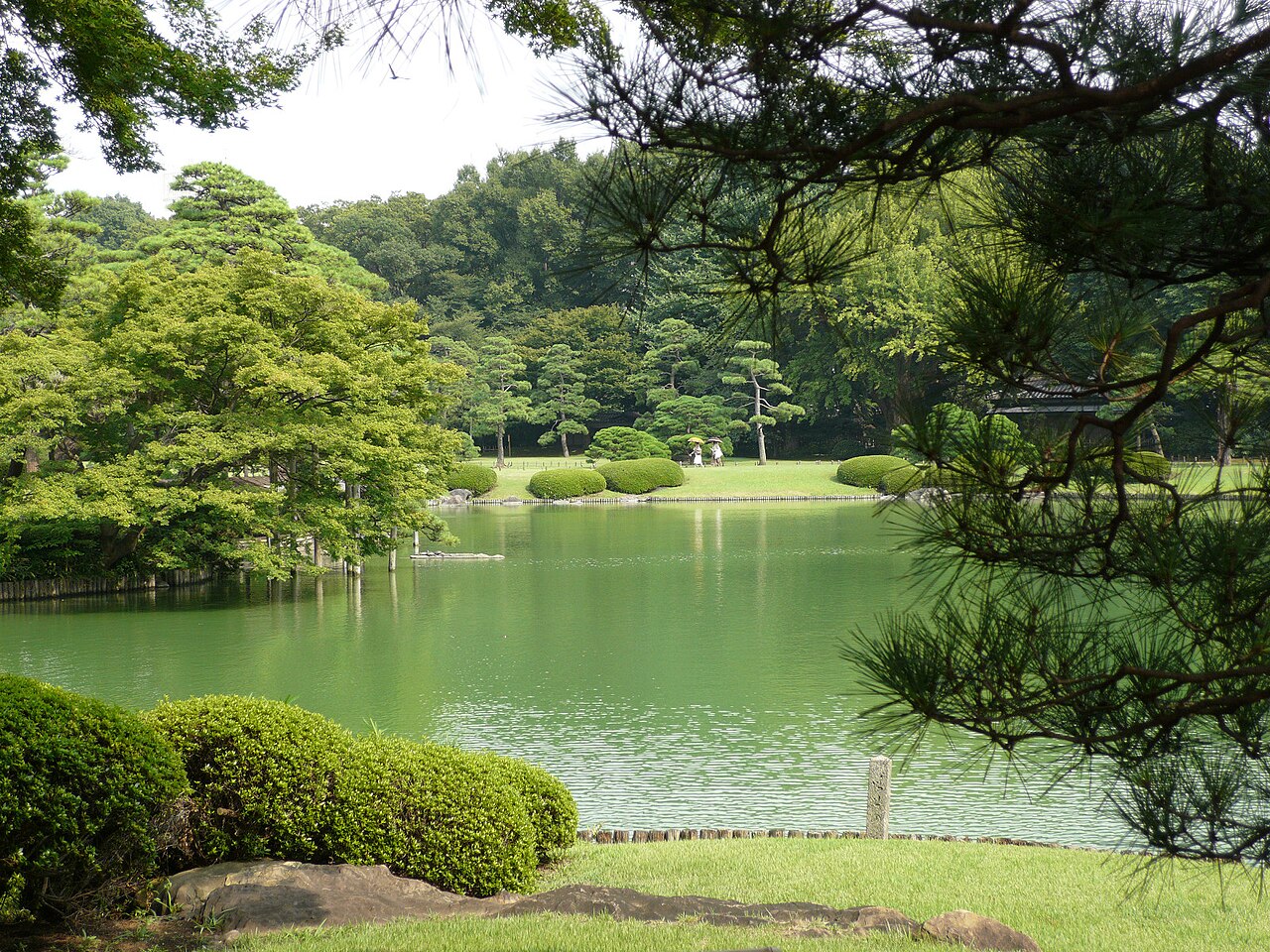
A masterpiece of classical Japanese landscape gardening, designed in 1702 by the feudal lord Yanagisawa Yoshiyasu to evoke 88 scenes from waka poetry. The central pond and forested hills create an atmosphere of refined tranquility rarely found in central Tokyo. The illuminated autumn foliage event each November draws long queues but is genuinely worth it. Arrive early on weekday mornings to experience the garden almost entirely to yourself.
traditionalgardenhistoricpeacefulseasonal - 2Koishikawa Korakuen Garden#2of 12$
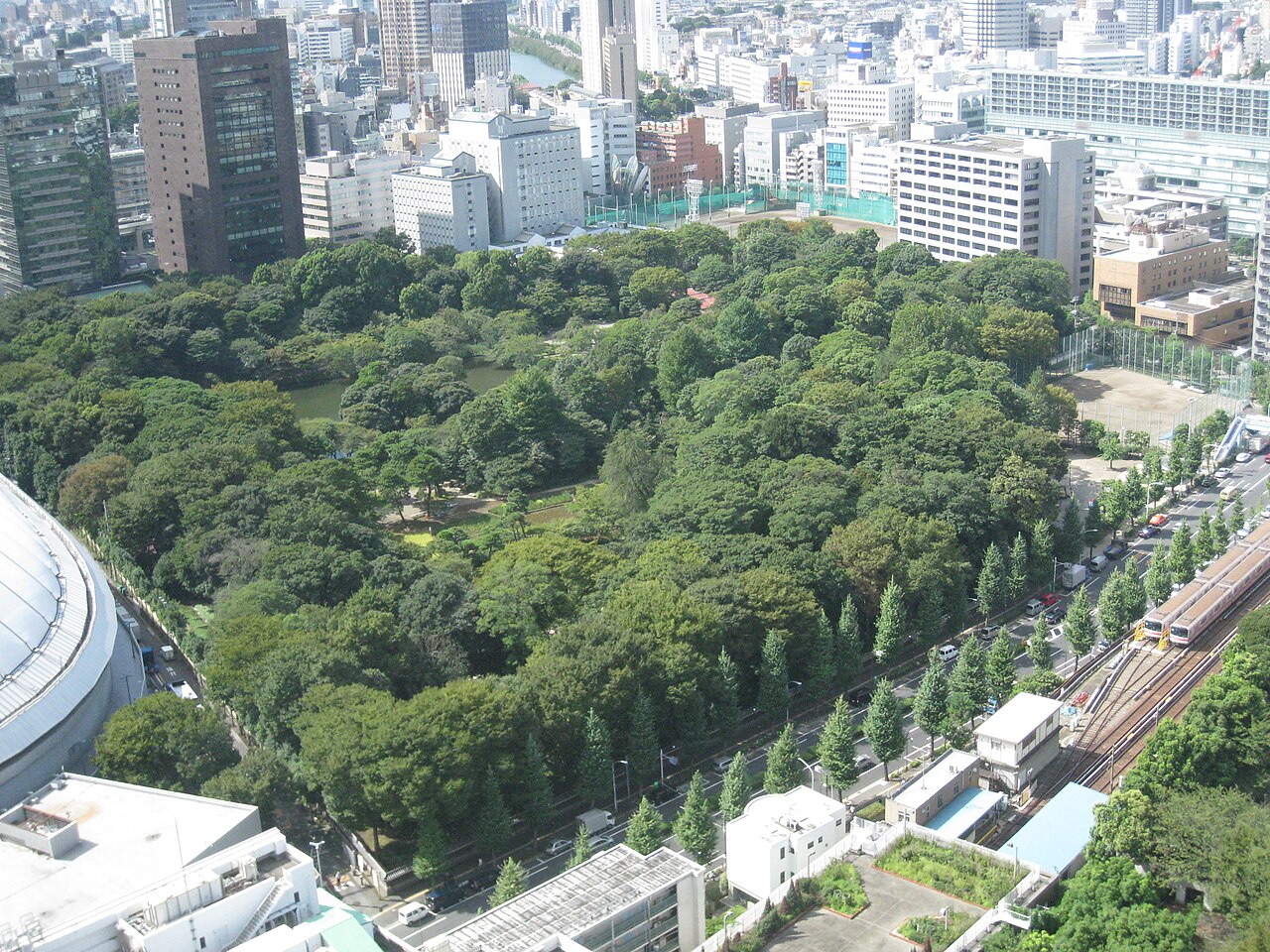
One of Tokyo's oldest and most refined Edo-period stroll gardens, built in 1629 and centered on a large pond with miniature landscapes referencing famous Chinese and Japanese scenic spots. The plum blossoms in February and autumn foliage in November are genuinely spectacular. Entry is only ¥300, making it exceptional value. Crowds are manageable on weekdays but the adjacent Tokyo Dome events can spill over on weekends.
traditionalgardenhistoricseasonalquiet - 3Inokashira Park#3of 12free
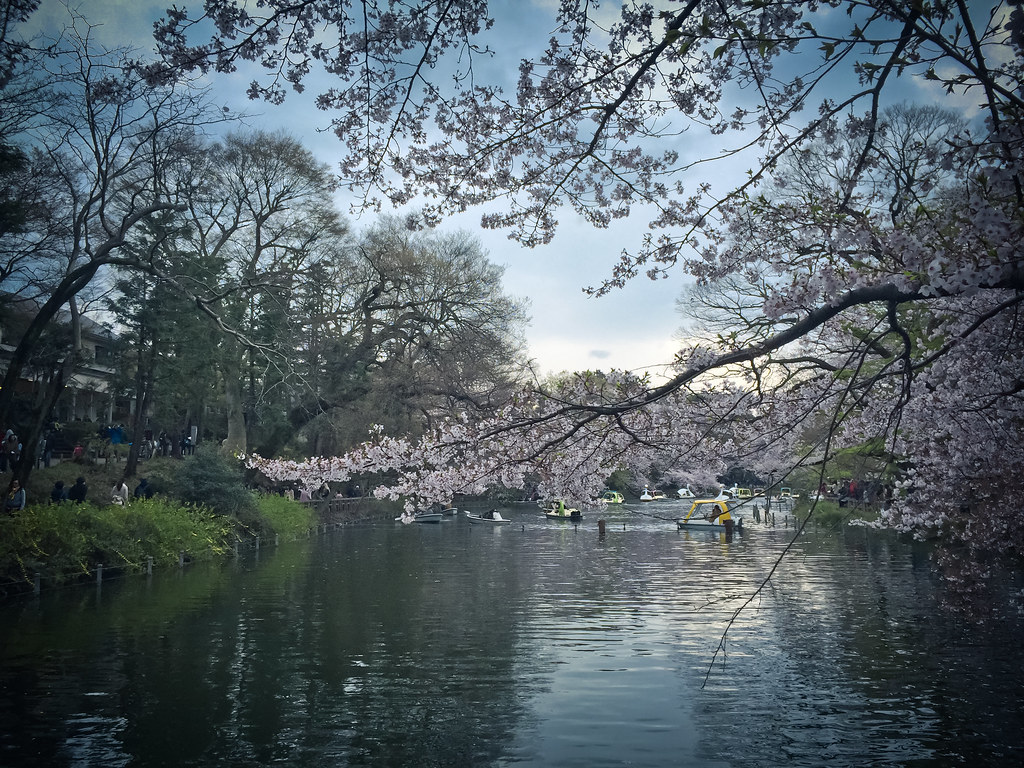
A beloved large park built around a natural spring-fed pond in the lively Kichijoji neighborhood, offering rowboat rentals, a small zoo, and a Benzaiten shrine on an island. It has a distinctly local, bohemian atmosphere with street musicians and artisan market stalls on weekends. Cherry blossom season turns the pond banks into one of Tokyo's most atmospheric hanami spots. The zoo section requires a small separate fee but the main park is free.
local favoritebohemiannaturecommunitycherry blossoms - 4Yoyogi Park (代々木公園)#4of 12free
Tokyo's big, free, come-as-you-are park beside Meiji Jingu and Harajuku, where locals picnic, jog, drum, and dance. Open 24 hours, no fee. Best on a Sunday when the rockabilly dancers, buskers, and cosplay crowd turn out. The city's most human, unpretentious green space. Pair it with Meiji Jingu.
- 5Hamarikyu Gardens#5of 12$
A stunning tidal garden built on reclaimed land where seawater flows in and out with the tides, creating a unique ecosystem of ducks and wading birds right in the heart of the city. The contrast between the traditional garden, tidal ponds, and surrounding skyscrapers is genuinely dramatic and photogenic. A historic teahouse on the central island serves matcha and wagashi. It can feel exposed and windy in winter, and the ¥300 entry is well worth it.
tidal gardenhistoricscenicuniquewaterfront - 6Kiyosumi Garden#6of 12$
A Meiji-era stroll garden famous for its extraordinary collection of large stepping stones sourced from across Japan, arranged around a central pond. Originally the private garden of the Iwasaki family (founders of Mitsubishi), it retains an intimate, unhurried atmosphere that feels genuinely off the tourist trail. The neighborhood is now Tokyo's specialty coffee hub, so pairing a garden visit with a stop at nearby Blue Bottle or Allpress is a perfect half-day. Crowds are light even on weekends.
hidden gemMeiji-eragardenquietlocal neighborhood - 7$
Shinjuku Gyoen is one of Tokyo's finest large parks, blending traditional Japanese, formal French and landscape English garden styles across broad lawns just minutes from Shinjuku's skyscrapers. It's one of the city's top cherry-blossom spots in spring and a peaceful picnic escape year-round. There's a small entry fee (which keeps it calmer than free parks), alcohol is not permitted, and it closes on Mondays outside peak seasons.
parkgardenssakurarelaxing - 8Todoroki Valley (等々力渓谷)#8of 12free
Tokyo's only natural ravine, a shady stream-side trail in suburban Setagaya that feels worlds from the city. Free and reopened in March 2026 after a long safety closure, though some sections near Todoroki Station stay shut until August 2026. A genuine hidden gem, best paired with the temple and teahouse.
- 9Ueno Park (上野公園)#9of 12free
Ueno Park is a sprawling free public park that doubles as Tokyo's cultural hub, home to the Tokyo National Museum, several other major museums, Ueno Zoo and the lily-covered Shinobazu Pond. It's one of the city's most popular cherry-blossom spots, drawing huge hanami crowds in spring. The park itself is free, though the museums and zoo charge admission; it can get lively and busy, especially on weekends and during blossom season.
parkmuseumssakurafree - 10Mizumoto Park#10of 12free
Tokyo's largest park at 96 hectares, located in the far northeast of the city along the Edo River, offering vast open spaces, wetlands, a large pond, and one of the best bald cypress groves in Japan. It is almost entirely unknown to tourists and feels like genuine countryside within city limits. The autumn color of the cypress grove reflected in the water is breathtaking and completely uncrowded. Getting there requires a bus from Kanamachi Station, which deters casual visitors and keeps it authentically local.
hidden gemnaturespaciouslocalwetlandsautumn foliage