The Top 5 Markets & Food Halls in Tokyo
- 1free
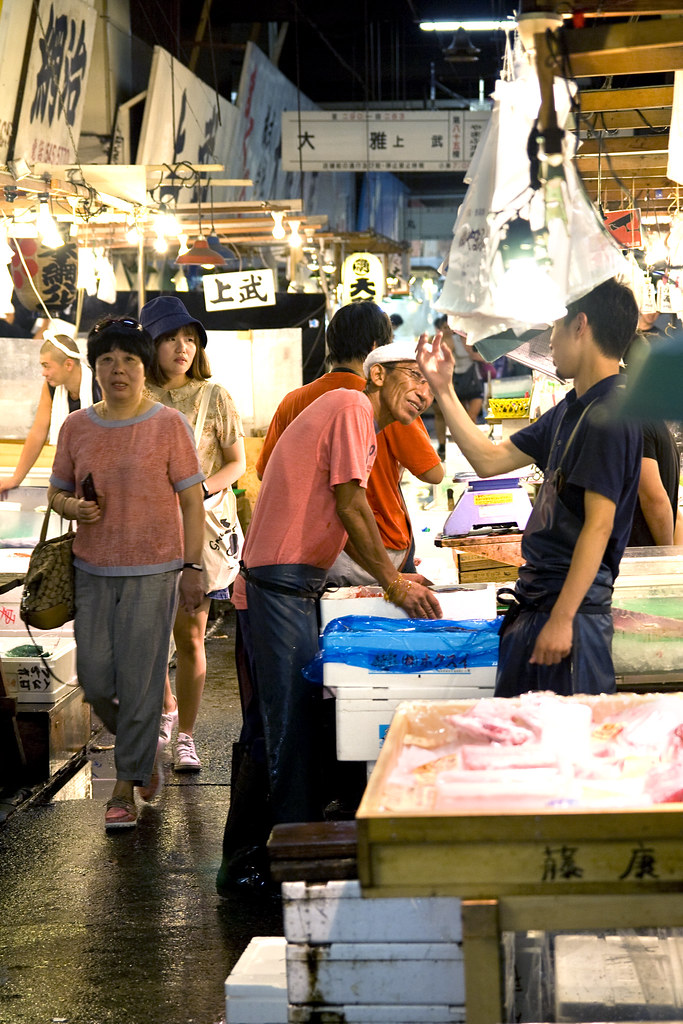
The successor to Tsukiji's inner wholesale market, Toyosu is the world's largest fish market and offers public viewing galleries where visitors can watch the famous tuna auctions and wholesale operations through glass windows. The on-site restaurants serve some of the freshest sushi and seafood in Tokyo at surprisingly reasonable prices. Tuna auction viewing requires advance lottery registration, and the market is closed on Wednesdays and Sundays, so plan carefully.
fish marketwholesaletuna auctionseafoodToyosuiconic - 2$
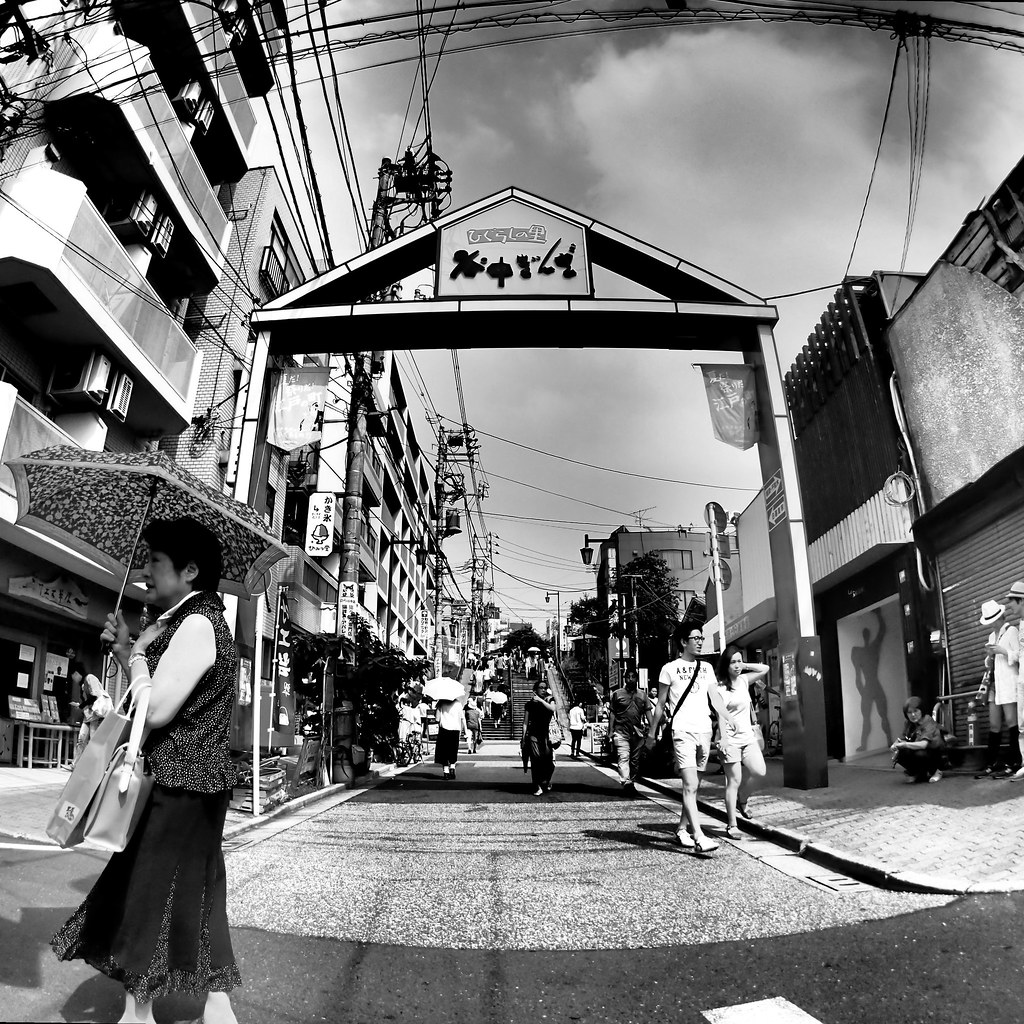
A beloved old-Tokyo shotengai (shopping street) that functions as a daily neighborhood market, lined with independent fishmongers, tofu shops, picklers, and street food stalls. Come for croquettes fresh from the fryer, handmade senbei, and the rare sense of Showa-era Tokyo still intact. It is genuinely local but increasingly visited by tourists on weekends, so a weekday morning visit is strongly recommended.
shotengaiold TokyoShowa eraneighborhood marketlocal life - 3$
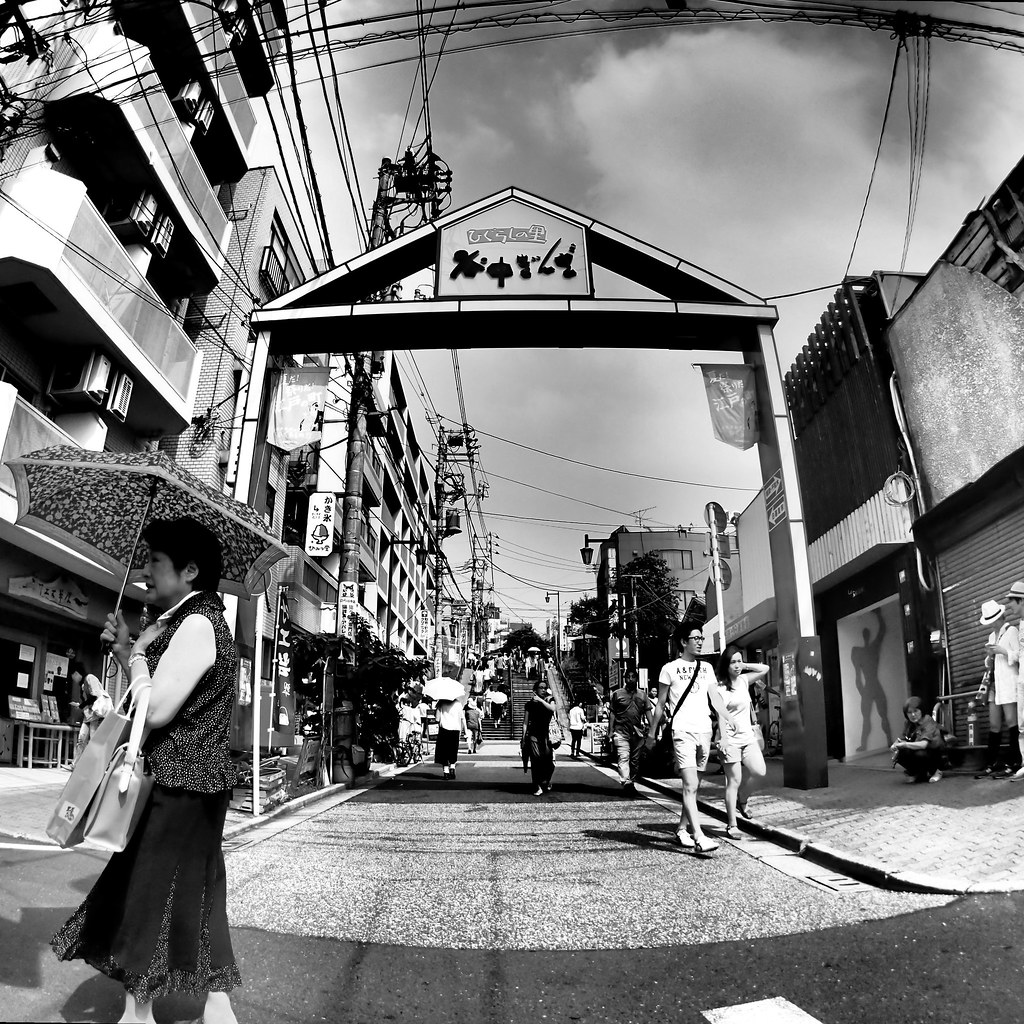
Togoshi Ginza is Tokyo's longest shopping street at 1.3 km, functioning as a sprawling everyday market with hundreds of small shops selling fresh produce, prepared foods, sweets, and daily goods. It is almost entirely local — you will rarely hear English spoken — making it one of the most authentic market experiences in the city. The sheer variety of cheap, freshly made food stalls alone justifies the trip to this off-the-beaten-path neighborhood.
shotengailocaloff the beaten pathbudgetauthentic - 4Oedo Antique Market#4of 9free
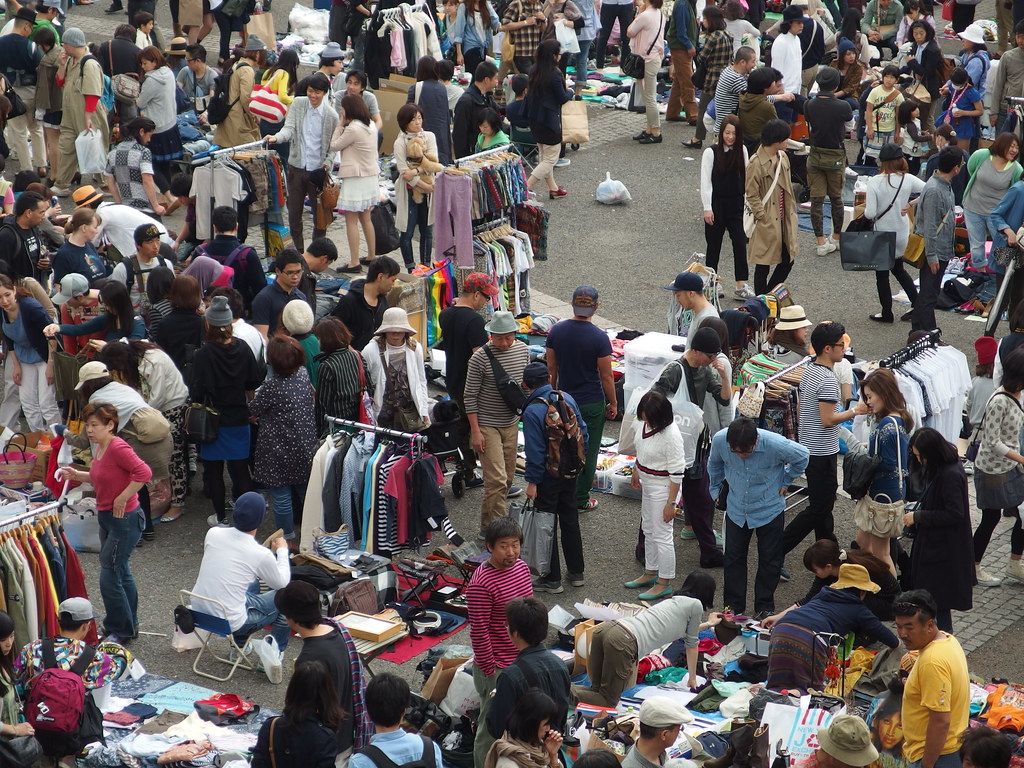
Japan's largest open-air antique market — around 250 dealers spread across the plaza at Tokyo International Forum, selling ceramics, kimono, woodblock prints, old toys, tools and curios. Free, atmospheric and right by Yurakucho/Tokyo stations. The catch: it only runs on select Sundays (roughly twice a month, weather permitting, and canceled in August), so check the calendar before you build a day around it.
antique marketflea markettokyokimonoceramicswoodblock prints - 5Ameyoko Market (アメ横)#5of 9$
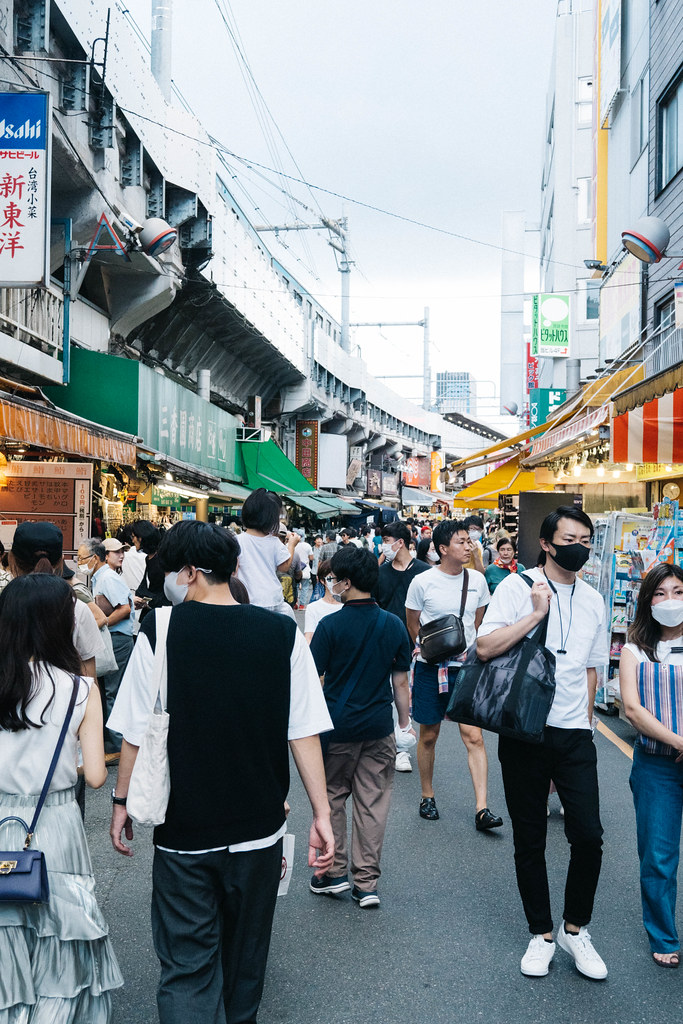
A loud, bustling open-air market of several hundred shops and stalls strung under and beside the JR tracks between Ueno and Okachimachi — fresh seafood, fruit, street snacks, cosmetics, sneakers, sukajan jackets and bargain everything. A genuine, un-gentrified slice of Tokyo commerce that's great for grazing and people-watching. Touristy but real; most stalls take cash, some Wednesdays shops close.
ameyokoueno marketseafoodstreet foodtakoyakikaisendon