The Top 5 Museums in Tokyo
- 1Tokyo National Museum#1of 9$
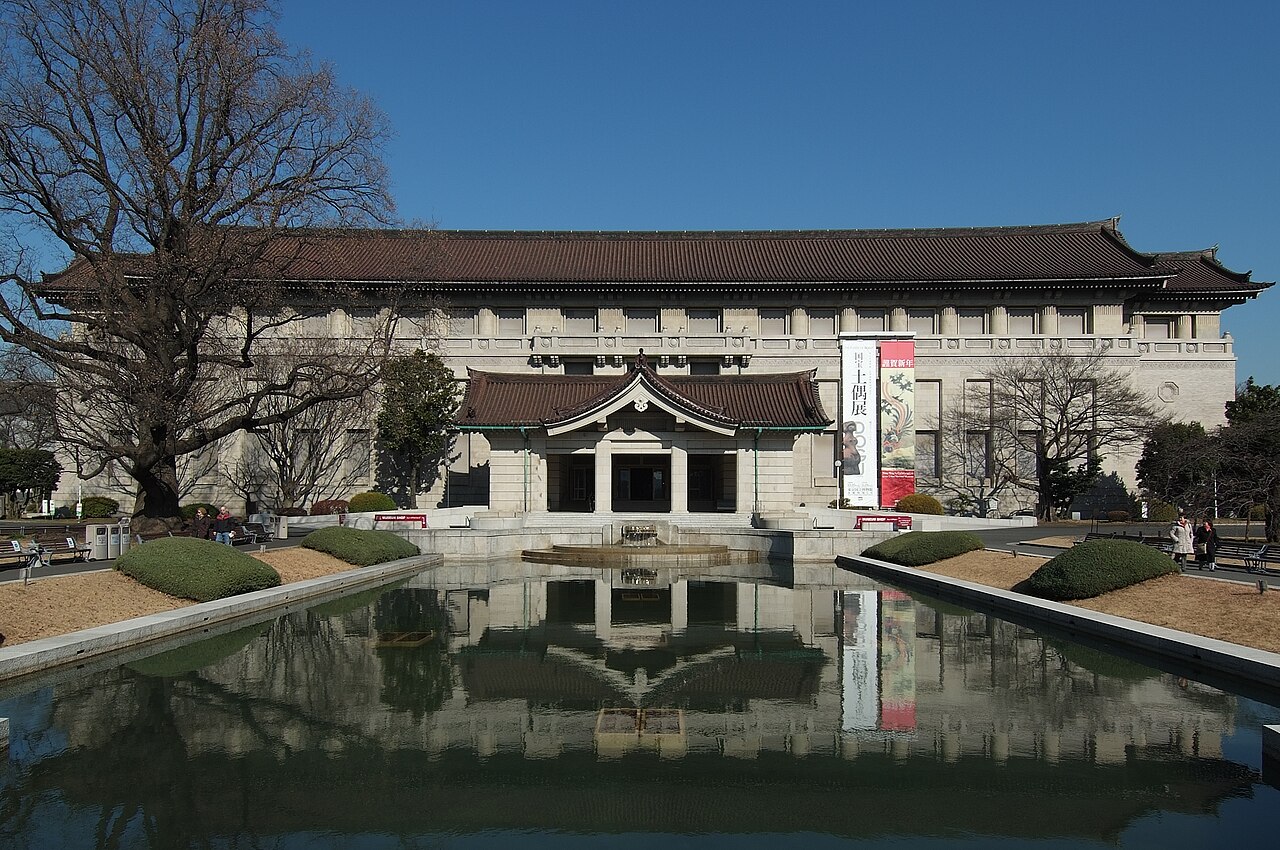
Japan's oldest and largest museum, in Ueno Park, with the world's best collection of Japanese art and antiquities: samurai swords, Buddhist sculpture, ukiyo-e, ceramics. Adults 620 yen, open 9:30-17:00 (later Fri/Sat), closed Mondays. Superb value and depth. A quiet, world-class must for anyone curious about Japan.
- 2Ghibli Museum#2of 9$
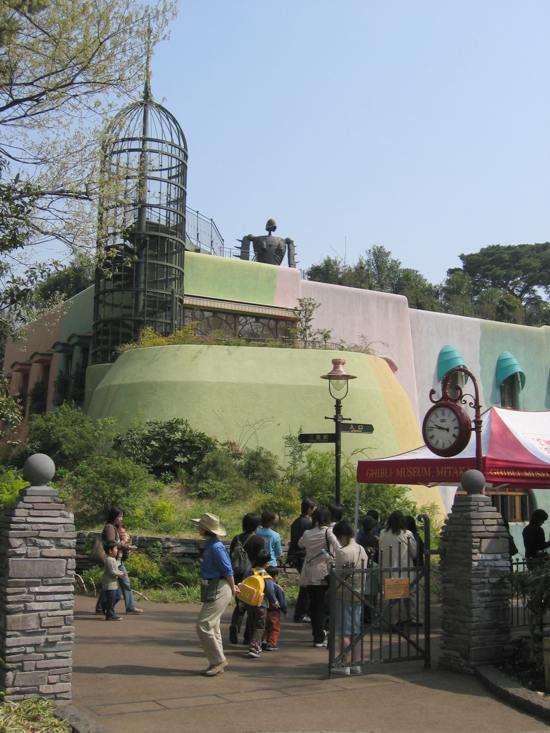
Studio Ghibli's whimsical museum in leafy Mitaka, designed by Hayao Miyazaki himself. Adults 1,000 yen, but strictly advance, date-and-time reservation only, released the 10th of each month for the next month. Open 10:00-18:00; closed Tuesdays. Magical, and worth the ticket scramble if you love the films.
- 3Intermediatheque#3of 9free
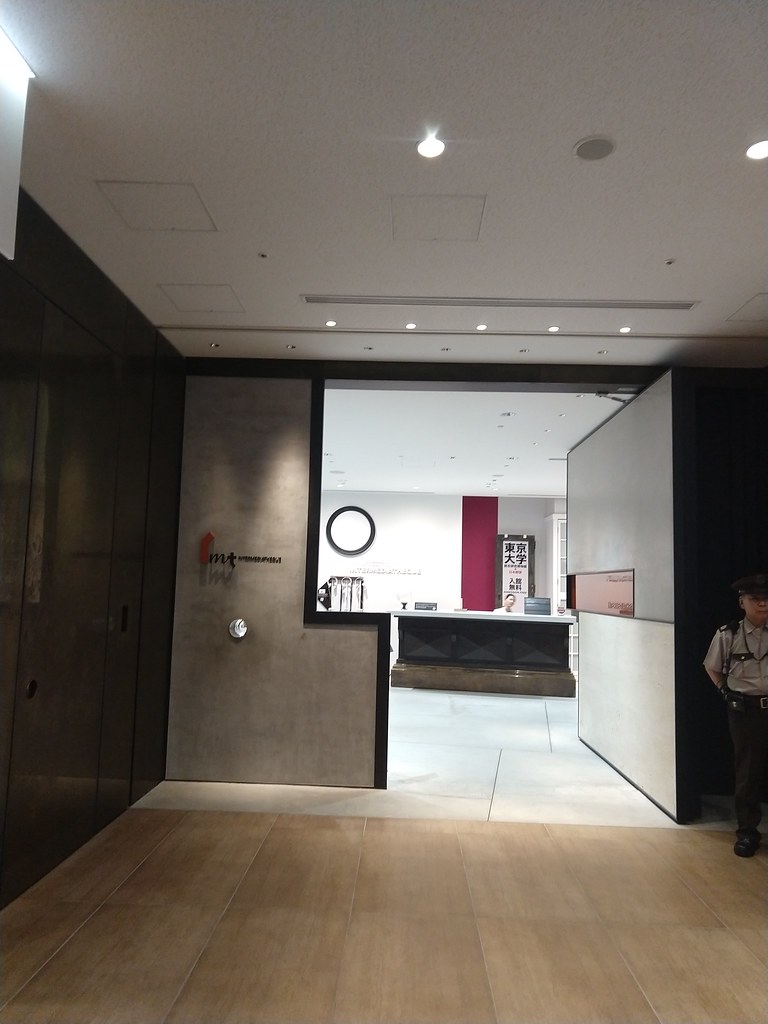
A free museum inside the JP Tower adjacent to Tokyo Station, run jointly by the University of Tokyo and Japan Post, displaying natural history specimens, scientific instruments, and cultural artifacts in dramatically lit, cabinet-of-curiosities-style galleries. The curation is genuinely avant-garde — taxidermy, fossils, antique clocks, and ethnographic objects coexist in a way that feels more like art than science. It is one of Tokyo's best-kept secrets and almost always uncrowded. Closed Tuesdays.
freenatural historyMarunouchiTokyo StationUniversity of Tokyohidden gem - 4$
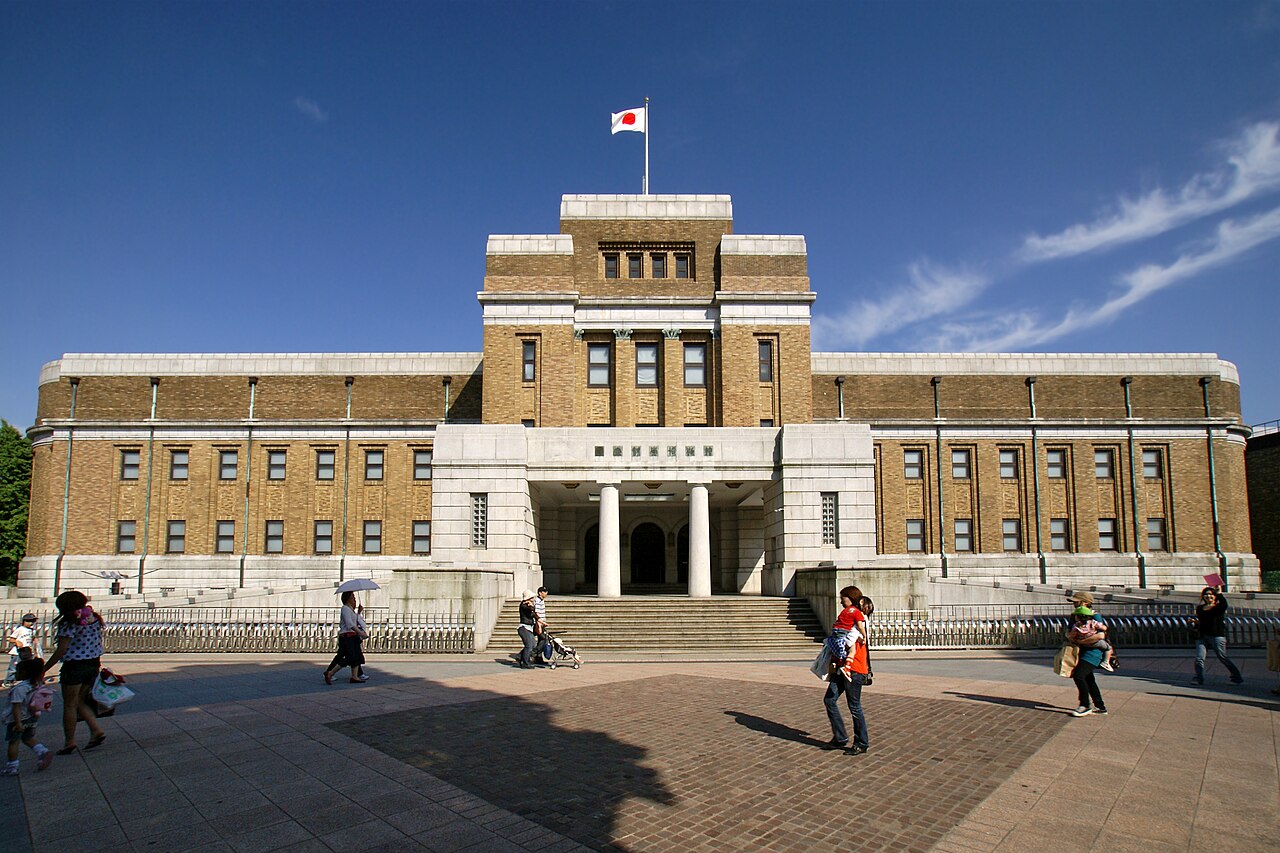
One of Japan's great encyclopedic science museums, covering everything from dinosaur skeletons and space exploration to Japanese natural history and the science of traditional crafts. The scale is enormous — plan at least three hours — and the quality of exhibits rivals the Smithsonian. The Japan Gallery on the upper floors, exploring how the Japanese archipelago's unique geography shaped its biodiversity and culture, is particularly outstanding. Weekends with children can be very busy; weekday mornings are ideal.
natural historyscienceUenodinosaursfamily-friendlyencyclopedic - 5Nezu Museum#5of 9$$
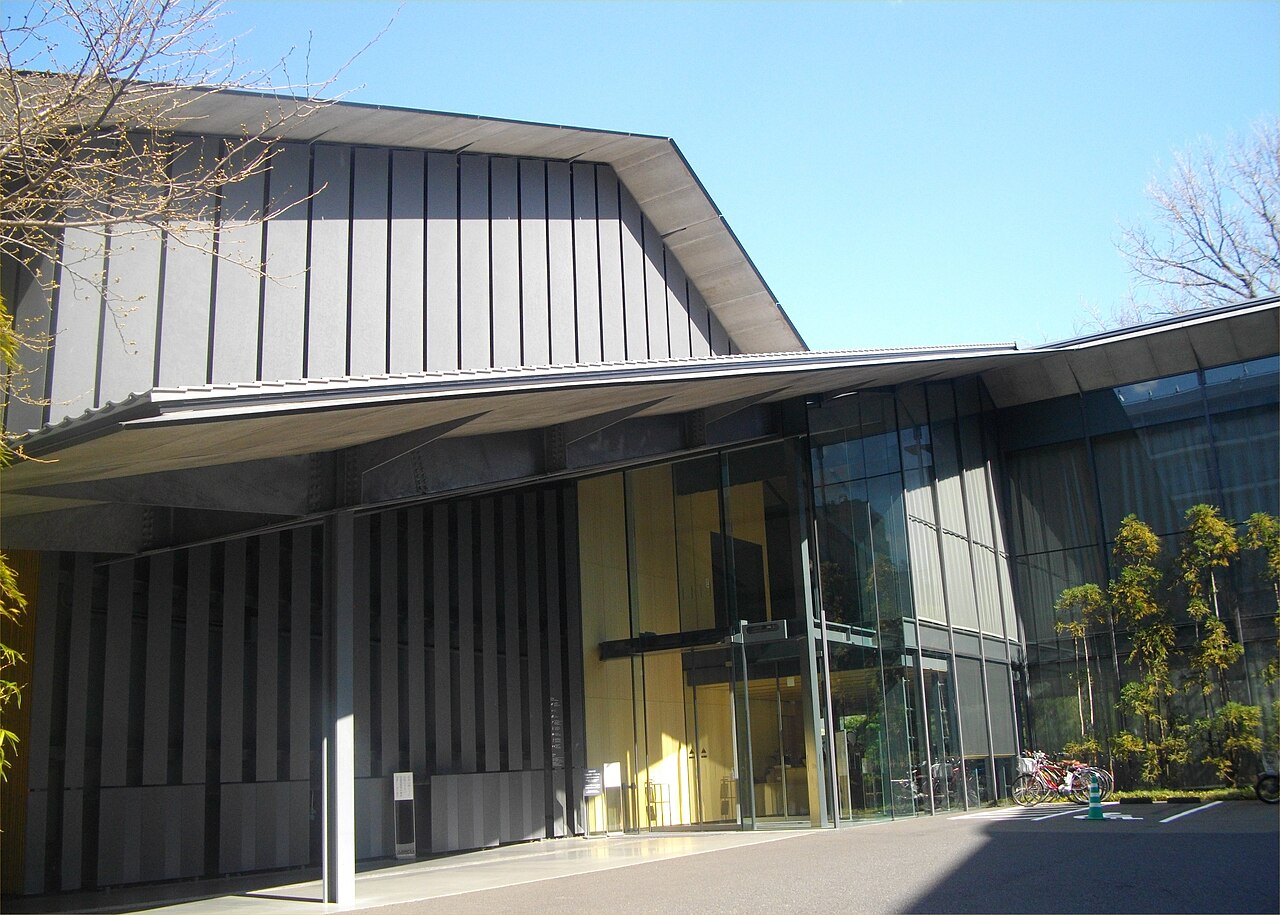
A refined private museum in the heart of Aoyama housing an outstanding collection of pre-modern Asian art — lacquerware, ceramics, Buddhist sculpture, and tea ceremony objects — in a Kengo Kuma-designed building of exceptional elegance. The bamboo garden behind the museum is one of Tokyo's most serene hidden spaces and included with admission. The café overlooking the garden is perfect for a slow afternoon. Closed Mondays; the permanent collection rotates seasonally.
Asian artAoyamaKengo Kumagardentea cultureceramics