The Top 10 Attractions in Tokyo
- 1Imperial Palace🏛️ Icon#1of 17free
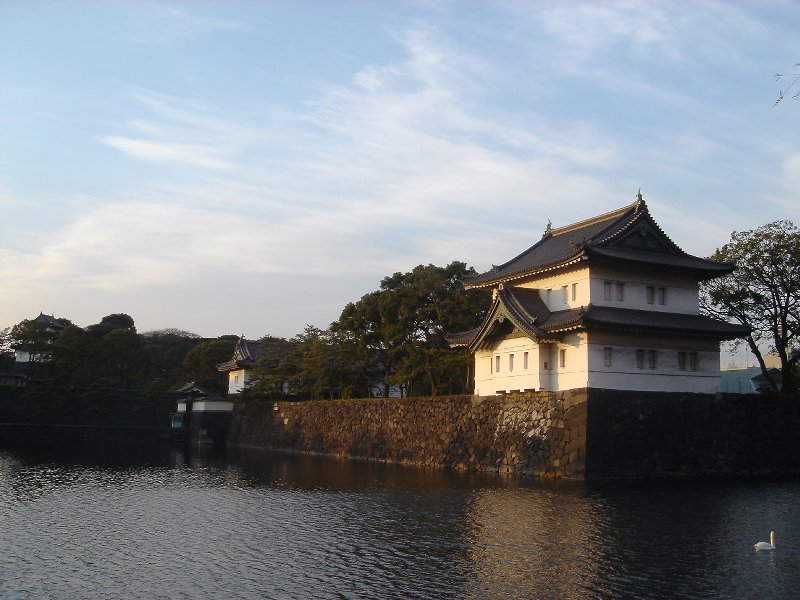
The Imperial Palace is the residence of Japan's Emperor, built on the grounds of the old Edo Castle in the heart of Tokyo, ringed by moats and massive stone walls. The inner palace is closed to the public, but you can freely explore the beautiful East Gardens and photograph the famous Nijubashi double bridge from the plaza. Note the East Gardens close on Mondays and Fridays, and the wide moat loop is a favourite jogging route for locals.
palaceimperialgardenshistoric - 2Hachiko Statue🏛️ Icon#2of 17
The Hachiko Statue is a small bronze memorial outside Shibuya Station dedicated to the loyal Akita dog who waited daily for his owner for nearly a decade after the owner's death. It's one of Tokyo's most famous meeting spots and a quiet symbol of loyalty amid the chaos of Shibuya Crossing. Expect crowds, especially around photo time, so patience is needed to get a clear shot.
HachikoShibuya Stationbronze statueTokyo landmarkAkita dogloyalty - 3Meiji Shrine#3of 17free
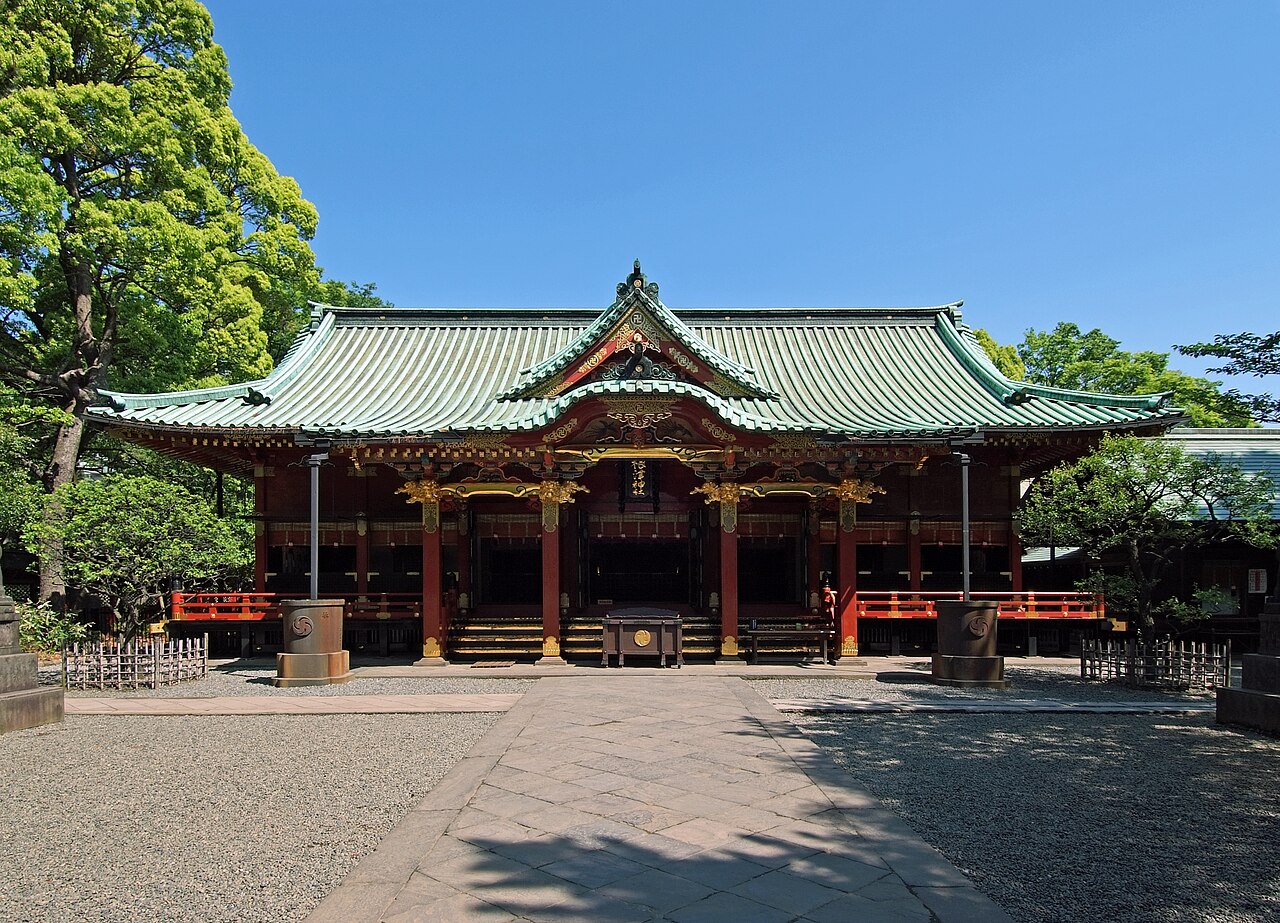
Meiji Shrine is Tokyo's most important Shinto shrine, dedicated to Emperor Meiji and set within a vast, forested park of 100,000 donated trees, an astonishing pocket of calm beside busy Harajuku. The walk under the giant wooden torii gates to the main hall is the highlight, and you may catch a traditional wedding procession. Entry to the grounds is free; the inner garden and treasure museum charge a small fee.
shrineshintoforestharajuku - 4Senso-ji Temple (浅草寺)🏛️ Icon#4of 17free
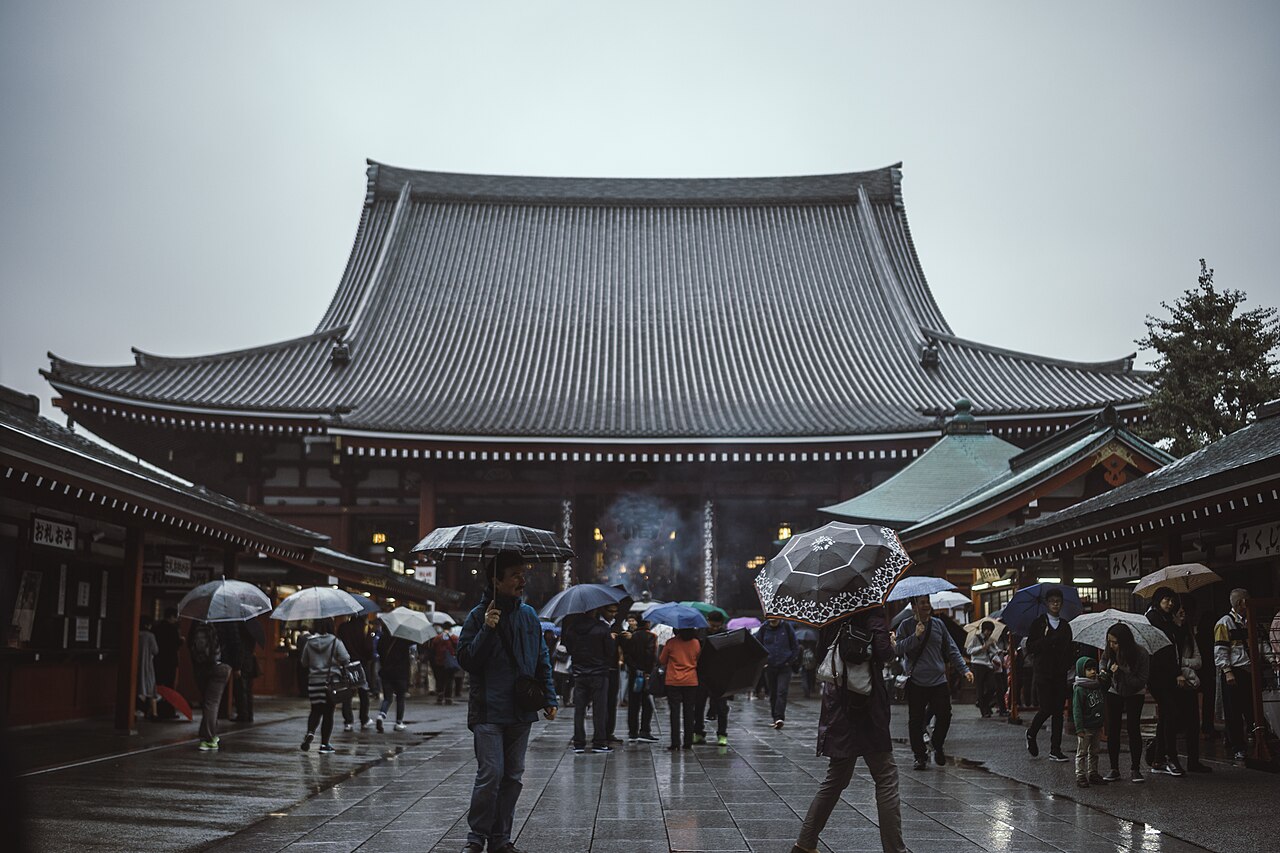
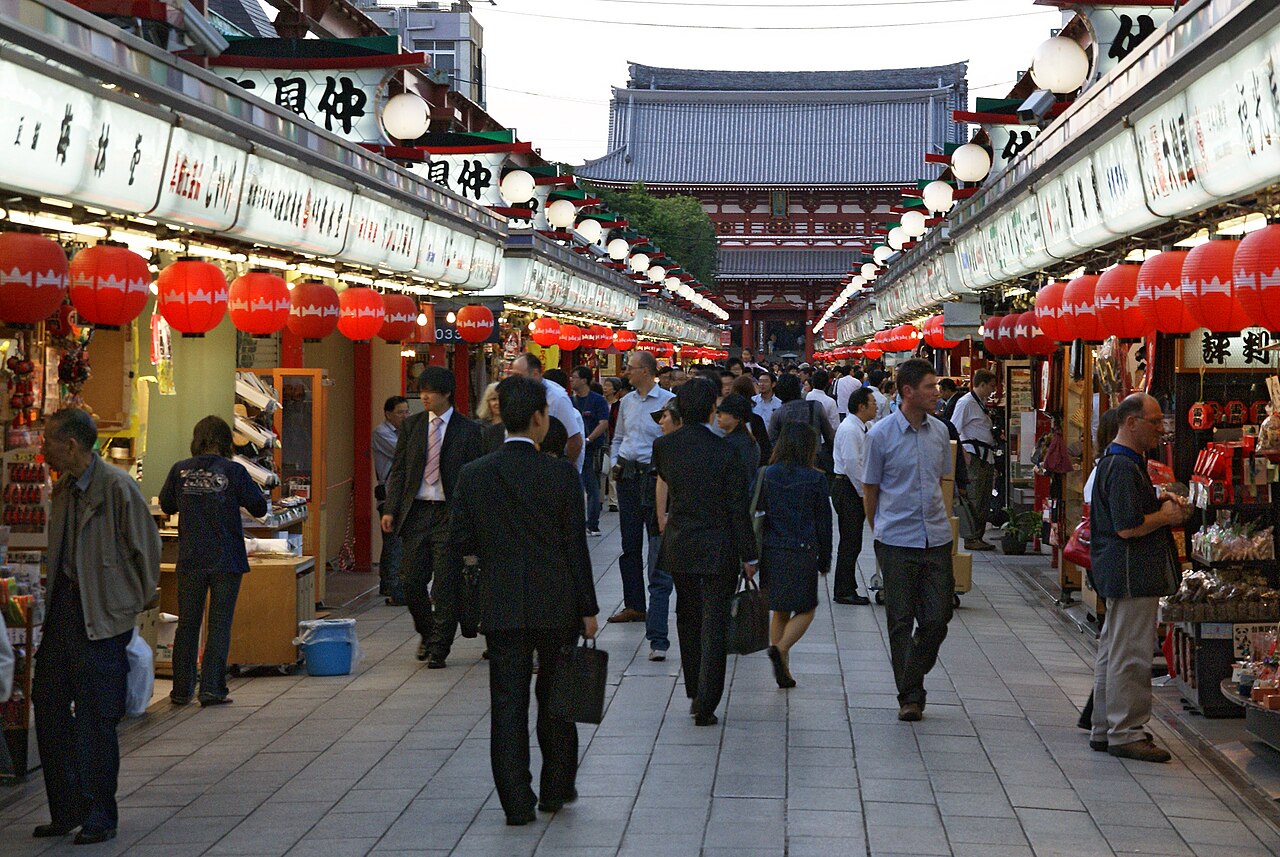
Senso-ji in Asakusa is Tokyo's oldest and most famous temple, founded in 645, entered through the enormous red Kaminarimon (Thunder Gate) and its giant lantern. The approach along Nakamise-dori is packed with traditional snack and souvenir stalls leading to the main hall and five-story pagoda. It's free but extremely crowded most of the day; arrive early morning or after dark, when the buildings are beautifully lit and the crowds thin out.
templebuddhistasakusalandmark - 5Kaminarimon Gate🏛️ Icon#5of 17
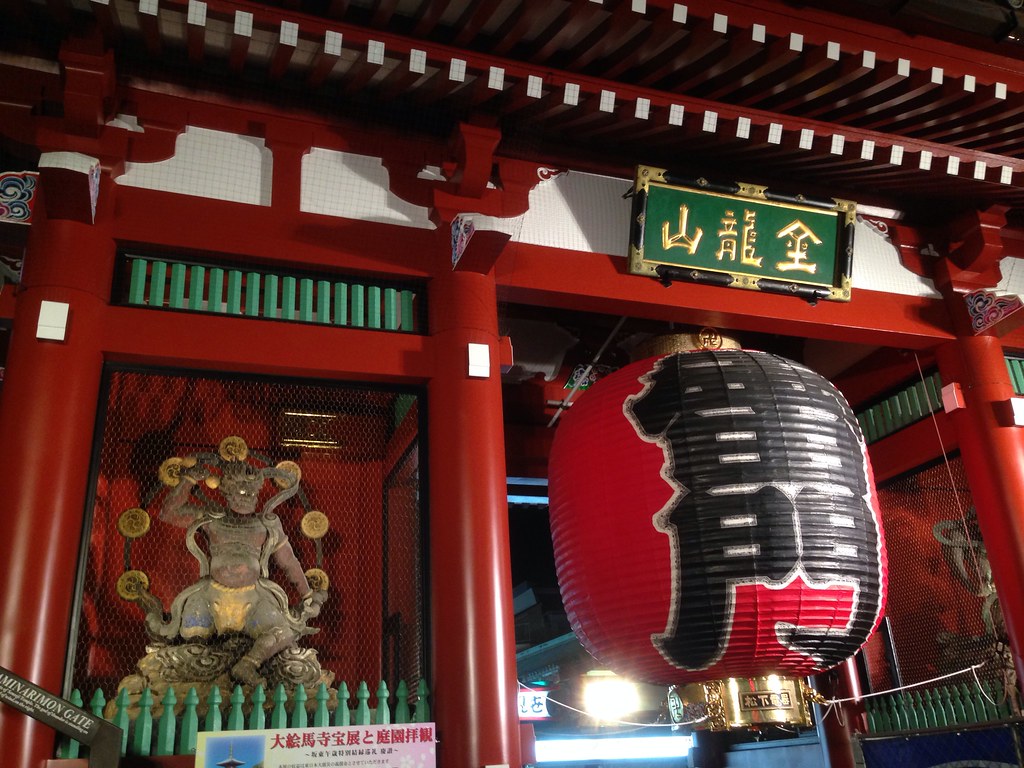
Kaminarimon Gate is the iconic red-lantern-topped entrance to Senso-ji Temple in Asakusa, one of Tokyo's most recognizable landmarks. The massive crimson lantern and guardian statues create a striking photo opportunity and mark the traditional threshold into the temple grounds. Go early morning or evening to experience the gate's beauty without overwhelming crowds—daytime draws heavy tourist traffic, school groups, and people filming videos.
Kaminarimon GateSenso-ji TempleAsakusared lanternTokyo landmarkhistoric gate - 6Shibuya Crossing🏛️ Icon#6of 17
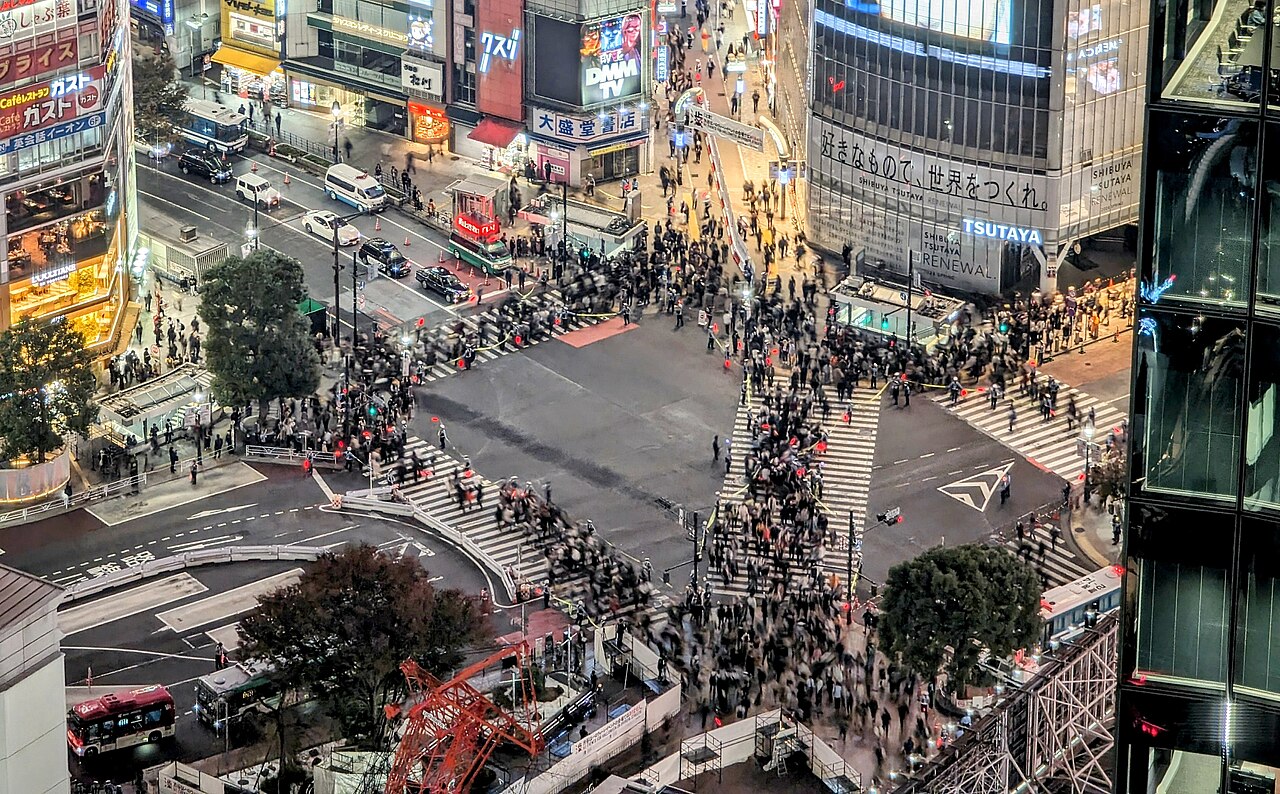
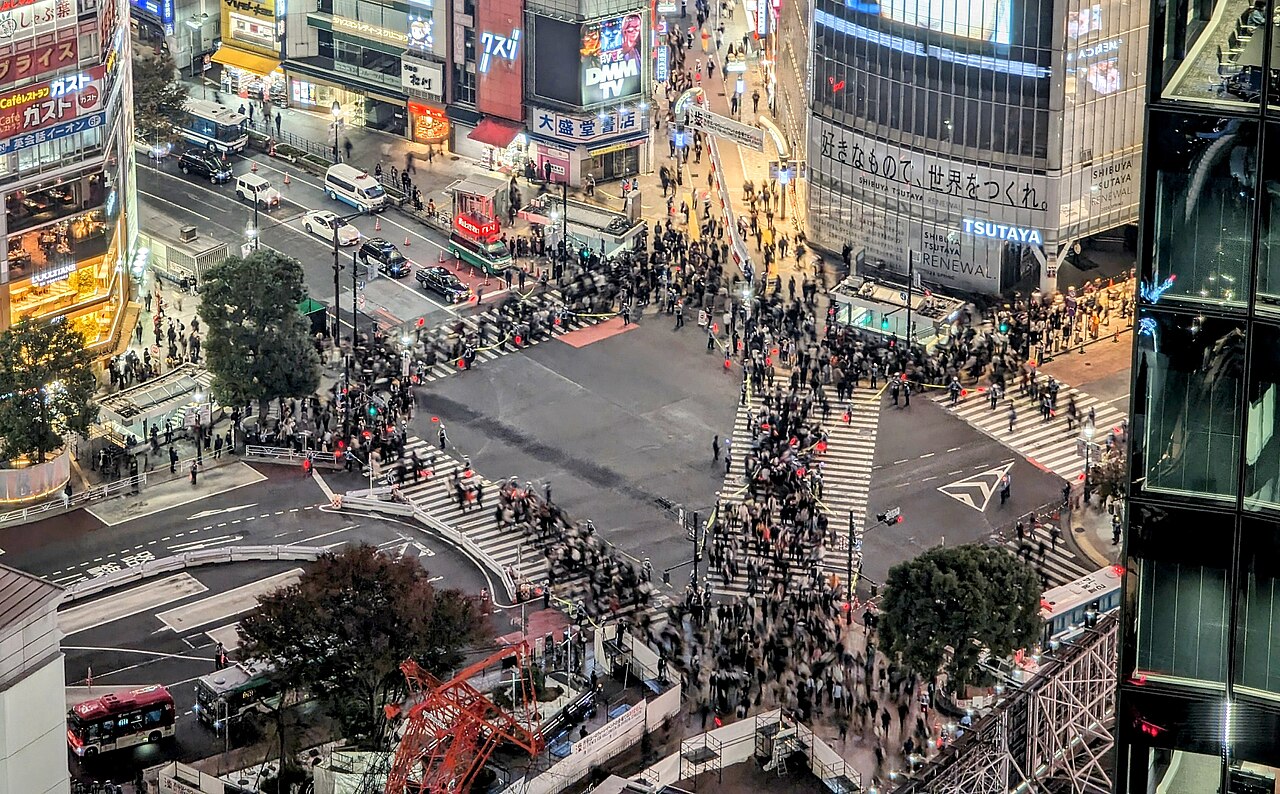
Shibuya Crossing is the world's busiest pedestrian intersection, where hundreds of people cross simultaneously in a mesmerizing choreography of organized chaos. The main activity is simply being there—crossing, watching, and photographing the waves of humanity moving in sync when the lights change. Be prepared for intense crowds, especially at night; visiting early in the day or having a plan helps manage the experience.
Shibuya Crossingpedestrian crossingTokyo landmarkbusiest intersectionphotography spoticonic experience - 7Tokyo DisneySea🏛️ Icon#7of 17
Tokyo DisneySea is an immersive Disney theme park in Urayasu known for exceptional theming, storytelling, and attention to detail across multiple lands. Must-dos include Fantasy Springs and major attractions like Frozen and Tower of Terror, best experienced with Disney Premier Access (DPA) to minimize wait times. Arrive at least 1.5 hours before opening and download the Tokyo Disney Resort app in advance, as some attractions may be closed during your visit and lines can be extreme, especially during peak seasons.
Tokyo DisneySeatheme parkDisneyFantasy SpringsattractionsDPA - 8Shibuya Scramble Crossing#8of 17free
Shibuya Crossing is the world's busiest pedestrian scramble, where hundreds of people surge across from all directions each time the lights change, framed by giant screens and neon, a defining image of modern Tokyo. Cross it yourself, then watch the spectacle from above at the Shibuya Sky observation deck or the overlooking Starbucks. It's free and best after dark when the lights are brightest; the nearby Hachiko dog statue is the classic meeting point.
crossinglandmarkneonshibuya - 9teamLab Borderless (Azabudai Hills)🏛️ Icon#9of 17$$$
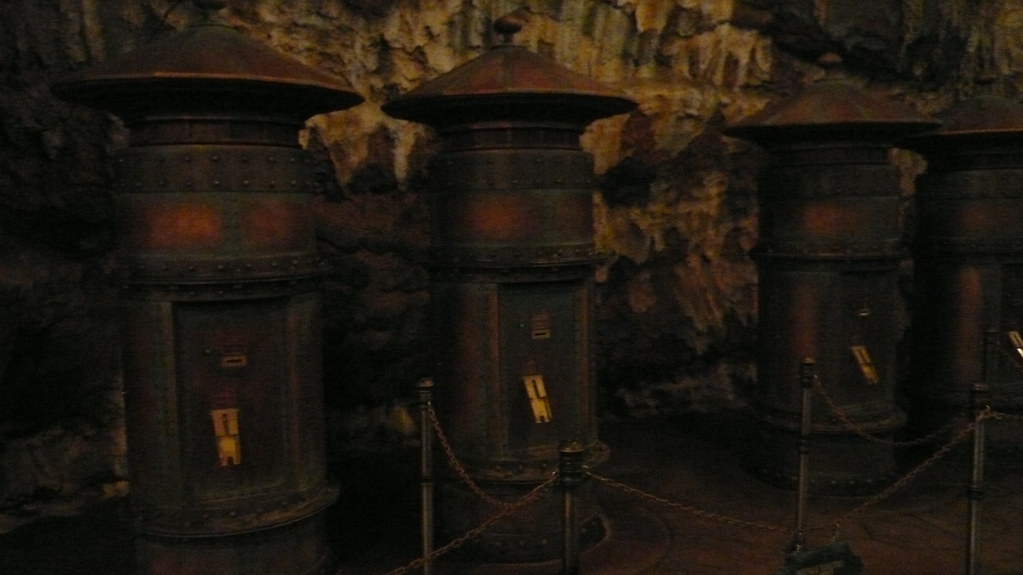
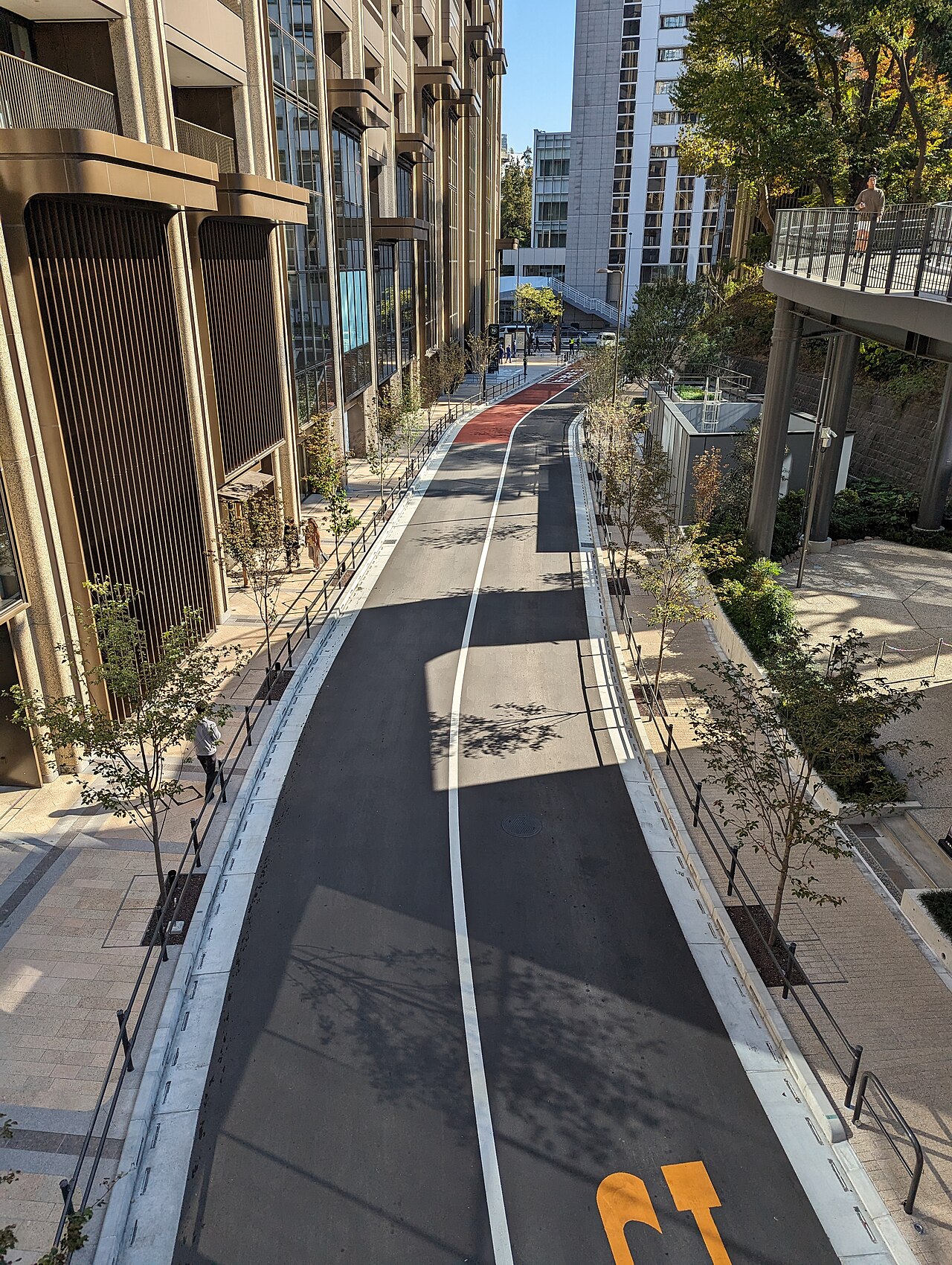
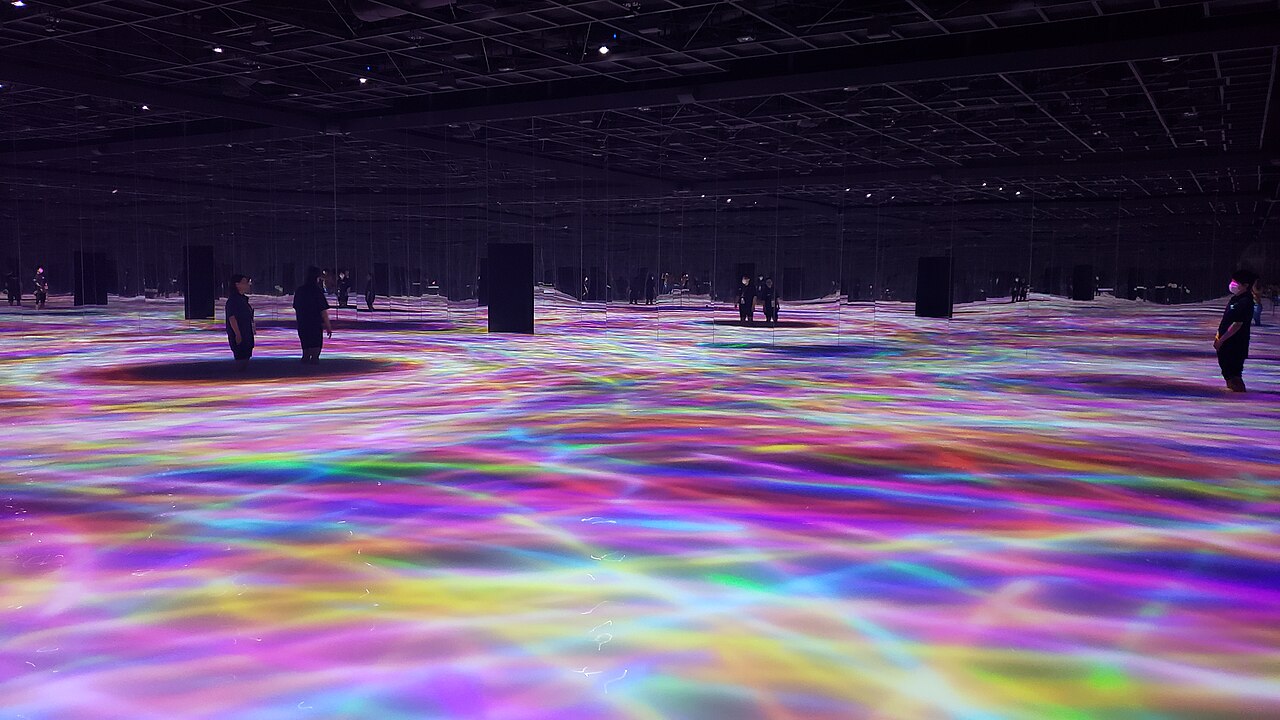
The relaunched teamLab Borderless is a sprawling digital art museum where immersive, room-filling installations bleed into one another with no fixed map or route. Wander freely and let the luminous, ever-changing environments surprise you — the 'Forest of Resonating Lamps' and 'Universe of Water Particles' are standouts. Book tickets well in advance online; walk-up entry is rarely available and the experience easily fills two to three hours.
digital artteamLabimmersiveAzabudai Hillstech-forward - 10teamLab Planets TOKYO DMM🏛️ Icon#10of 17
An immersive digital art museum where you walk barefoot through interactive installations combining light, sound, and technology—think glowing water rooms, digital nature exhibits, and athletic games. Wear clothes you can roll up since you'll wade through water up to knee-high in several areas. Plan 2-3 hours and arrive early, as it's extremely popular and can get crowded.
teamLabdigital artimmersive museumTokyo attractioninteractive artwater installation