The Top 10 Attractions in Mexico City
- 1free
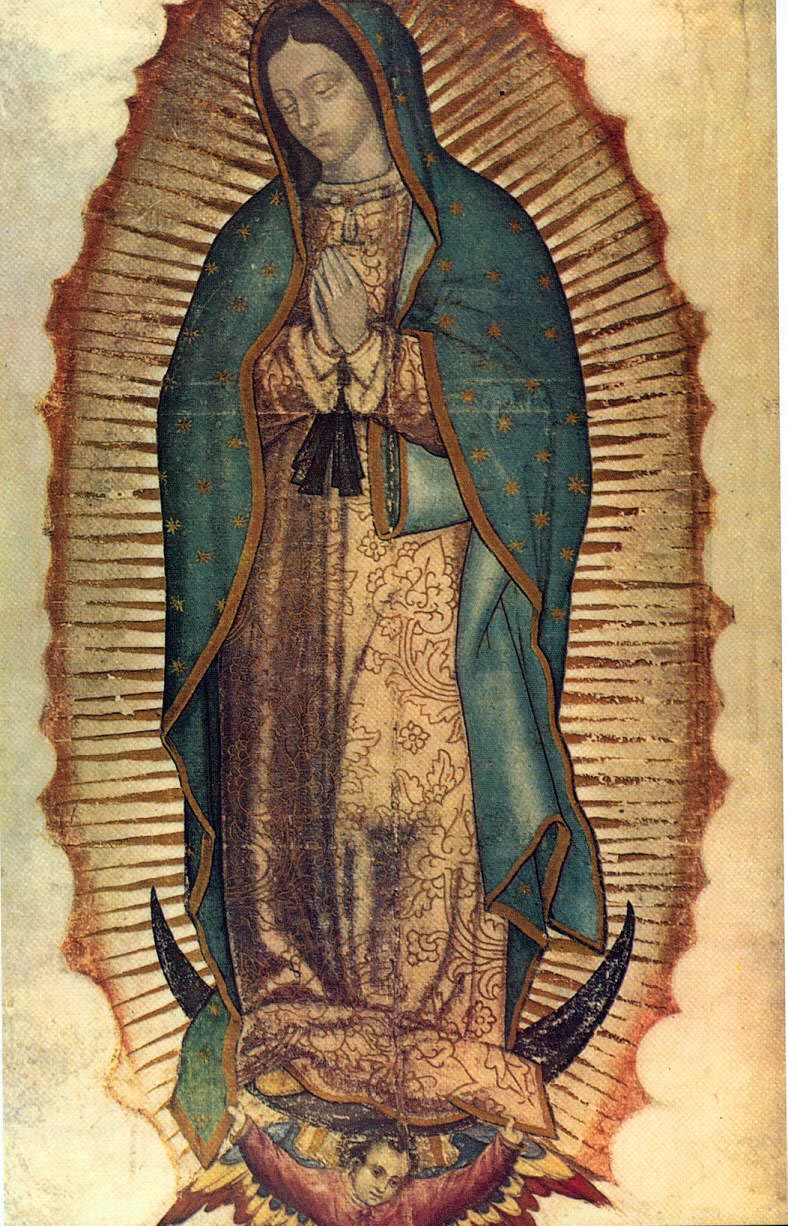
The Basilica of Our Lady of Guadalupe is the most-visited Catholic shrine in the Americas and the spiritual heart of Mexico, drawing millions of pilgrims a year. Ride the moving walkway beneath the original 1531 tilma bearing the Virgin's image, then climb Tepeyac hill for gardens and city views. It gets overwhelmingly crowded around the December 12 feast day, and the surrounding neighborhood is workaday rather than scenic.
religiouspilgrimagelandmarkfree - 2Bosque de Chapultepec🏛️ Icon#2of 19
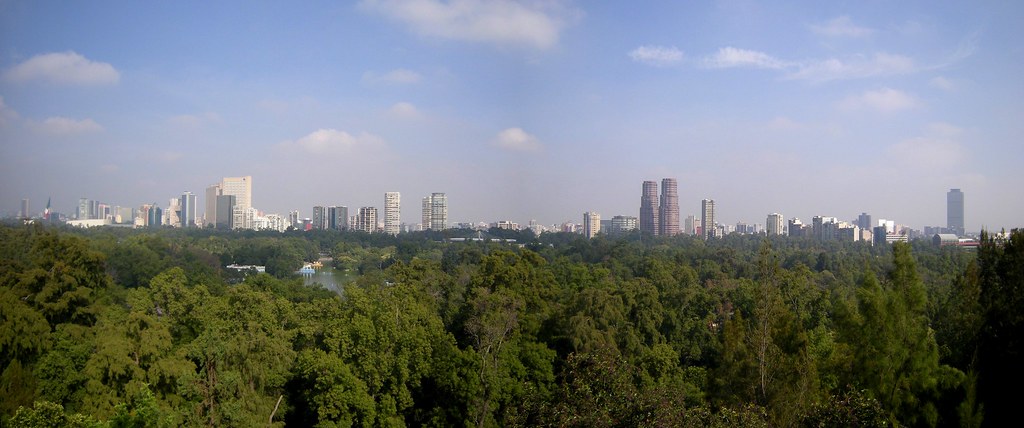
Bosque de Chapultepec is Mexico City's largest urban forest and cultural hub, spanning over 1,600 acres with museums, lakes, gardens, and walking trails. Visitors come to explore the National Museum of Anthropology, castle, zoo, and botanical gardens, or simply walk and relax among trees and green spaces. The main caveat: it's extremely crowded on weekends and holidays, so go on a weekday morning for a better experience.
Chapultepec ParkMexico City parksmuseumsAnthropology MuseumChapultepec Castleoutdoor activities - 3Museo Nacional de Antropología🏛️ Icon#3of 19$
One of the world's great museums, housing the Aztec Sun Stone, the Pakal sarcophagus lid, and room after room of pre-Columbian artifacts spanning every major Mesoamerican civilization. Arrive early and budget at least three hours — the sheer scale overwhelms first-timers who underestimate it. Sundays are free for Mexican nationals, making crowds intense; Tuesday through Friday mornings are the sweet spot for foreigners.
pre-ColumbianAztecMayaarchaeologyiconicUNESCO-adjacent - 4Palacio de Bellas Artes🏛️ Icon#4of 19
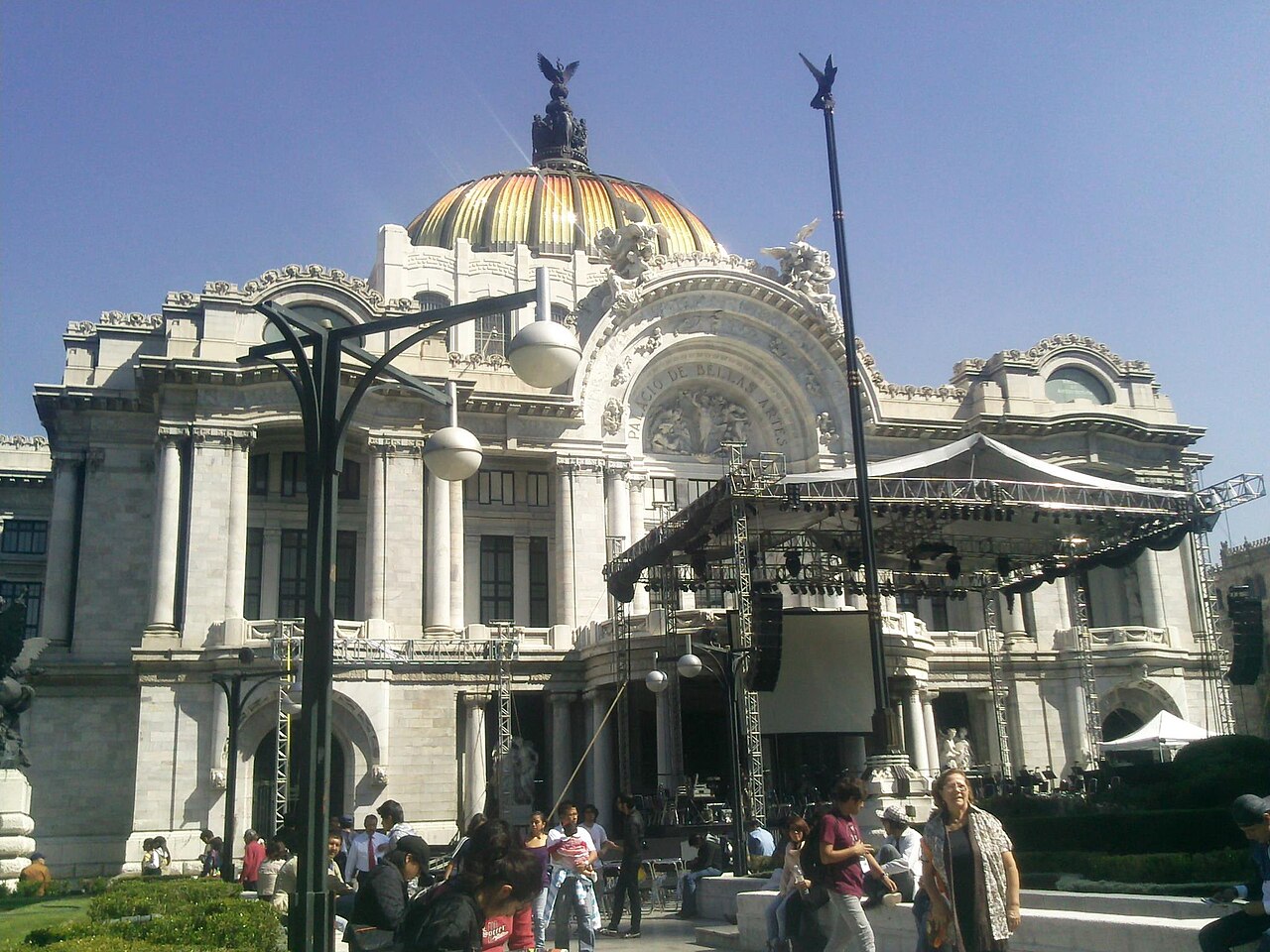
Mexico City's most iconic cultural landmark—a stunning architectural masterpiece combining Art Nouveau and Art Deco styles with a white marble facade and colorful dome. Visit for the building itself, world-class murals by Diego Rivera and other celebrated Mexican artists, performances like Ballet Folklórico de México, or simply to experience the breathtaking interior with its famous crystal curtain and stained glass ceiling. Note: no food or drinks allowed inside, and bag check only accepts backpacks or suitcases.
Palacio de Bellas ArtesMexico City landmarkarchitectureart museumDiego Rivera muralsBallet Folklórico - 5Templo Mayor🏛️ Icon#5of 19$
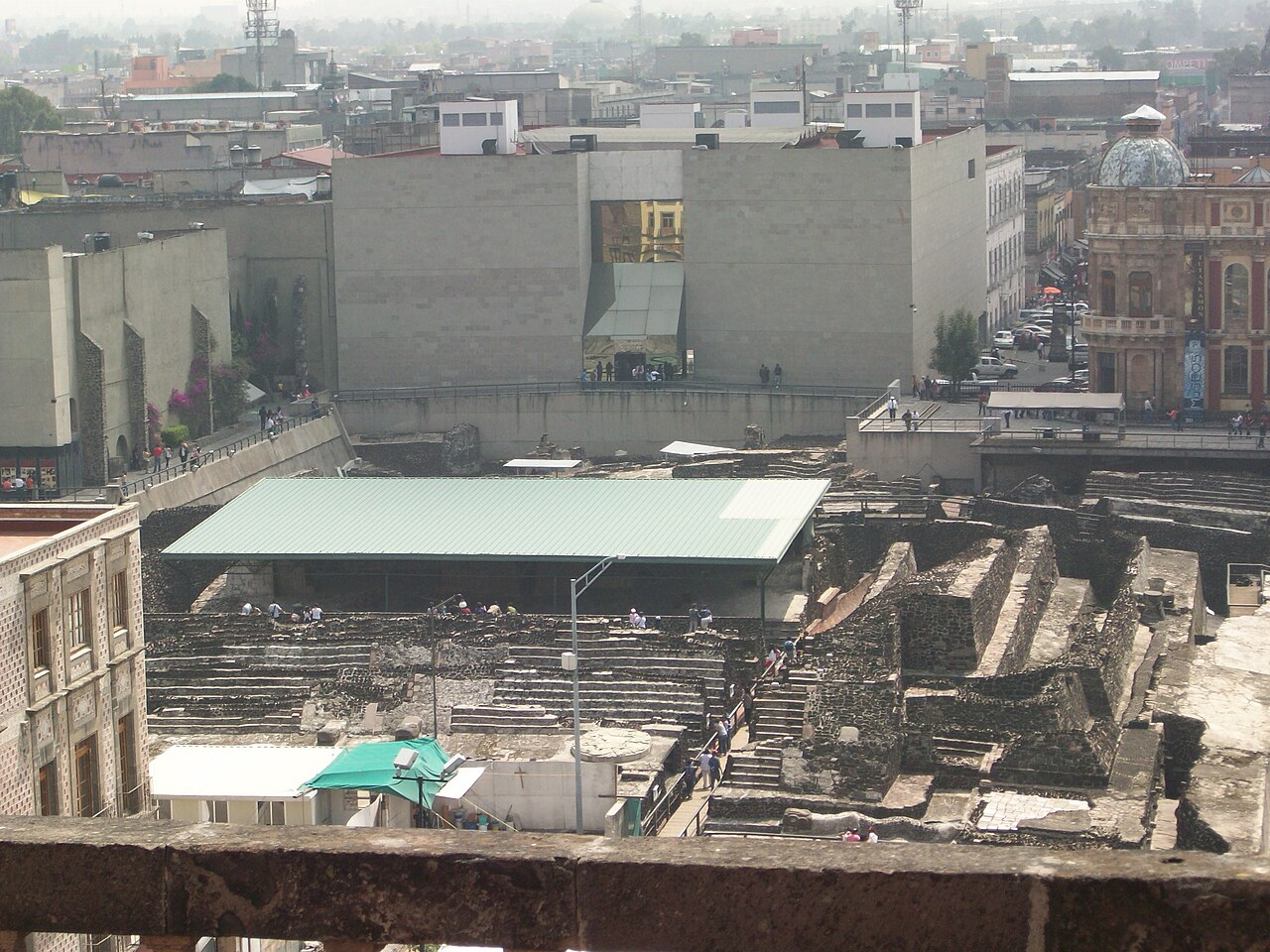
The excavated ruins of the Aztec empire's most sacred temple sit right in the heart of downtown, discovered accidentally during utility work in 1978 and now one of the most significant archaeological sites in the Americas. The adjacent museum houses the massive Coyolxauhqui stone and thousands of ritual offerings found on-site, providing essential context for the ruins outside. The combination of active urban surroundings and ancient ruins creates a genuinely uncanny experience unlike anything else in the city.
AztecarchaeologyruinsCentropre-ColumbianMexica - 6Museo Frida Kahlo (Casa Azul)🏛️ Icon#6of 19$$
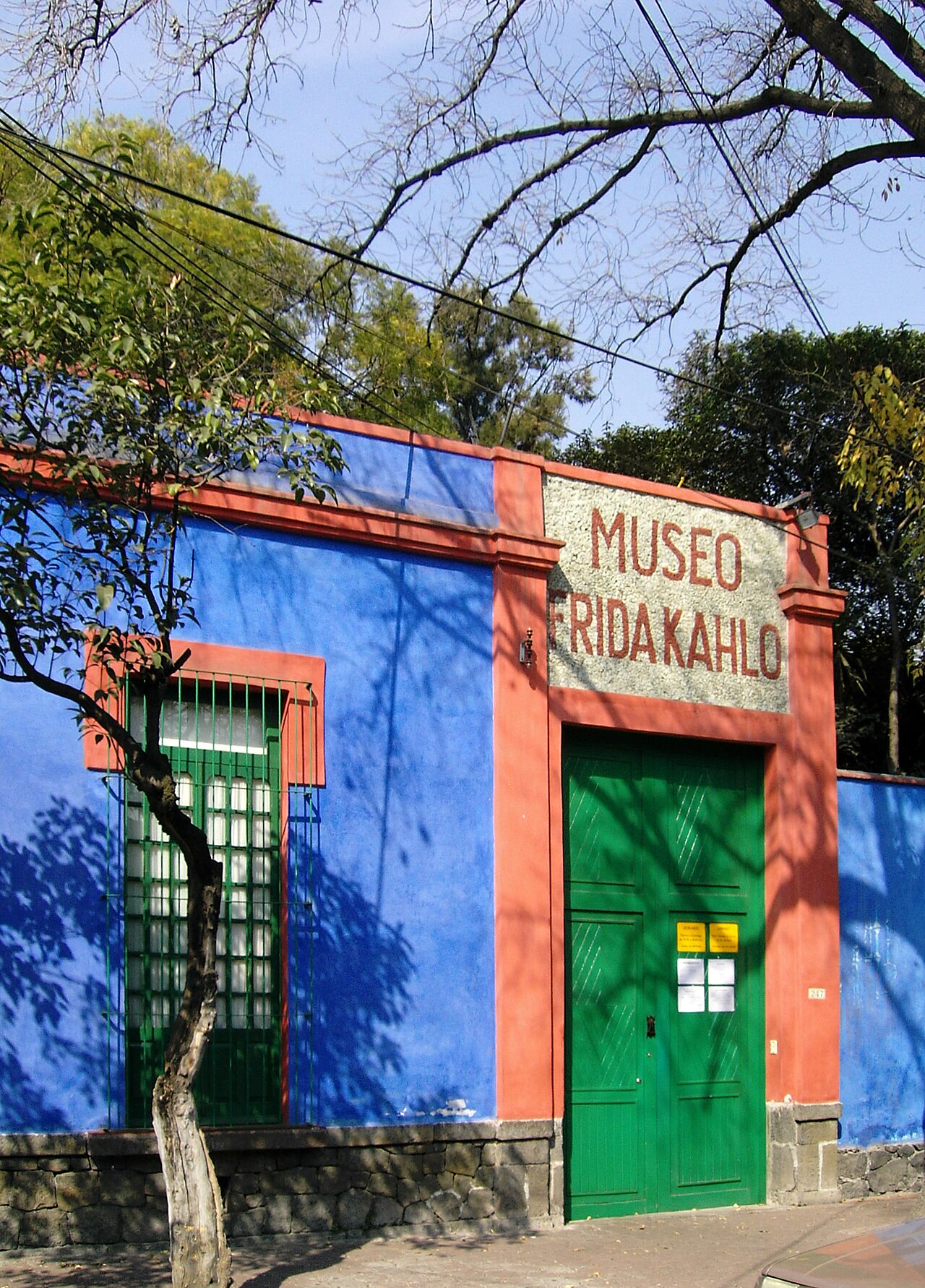
Frida Kahlo's cobalt-blue childhood home and studio is an intimate, deeply personal museum filled with her paintings, personal belongings, pre-Columbian collection, and the wheelchair she used near the end of her life. Timed-entry tickets must be booked weeks in advance online — showing up without a reservation almost always means being turned away. The surrounding Coyoacán neighborhood is worth a full afternoon of wandering after your visit.
Frida KahloMexican artfeminist iconCoyoacánhistoric house museum - 7The Angel of Independence🏛️ Icon#7of 19
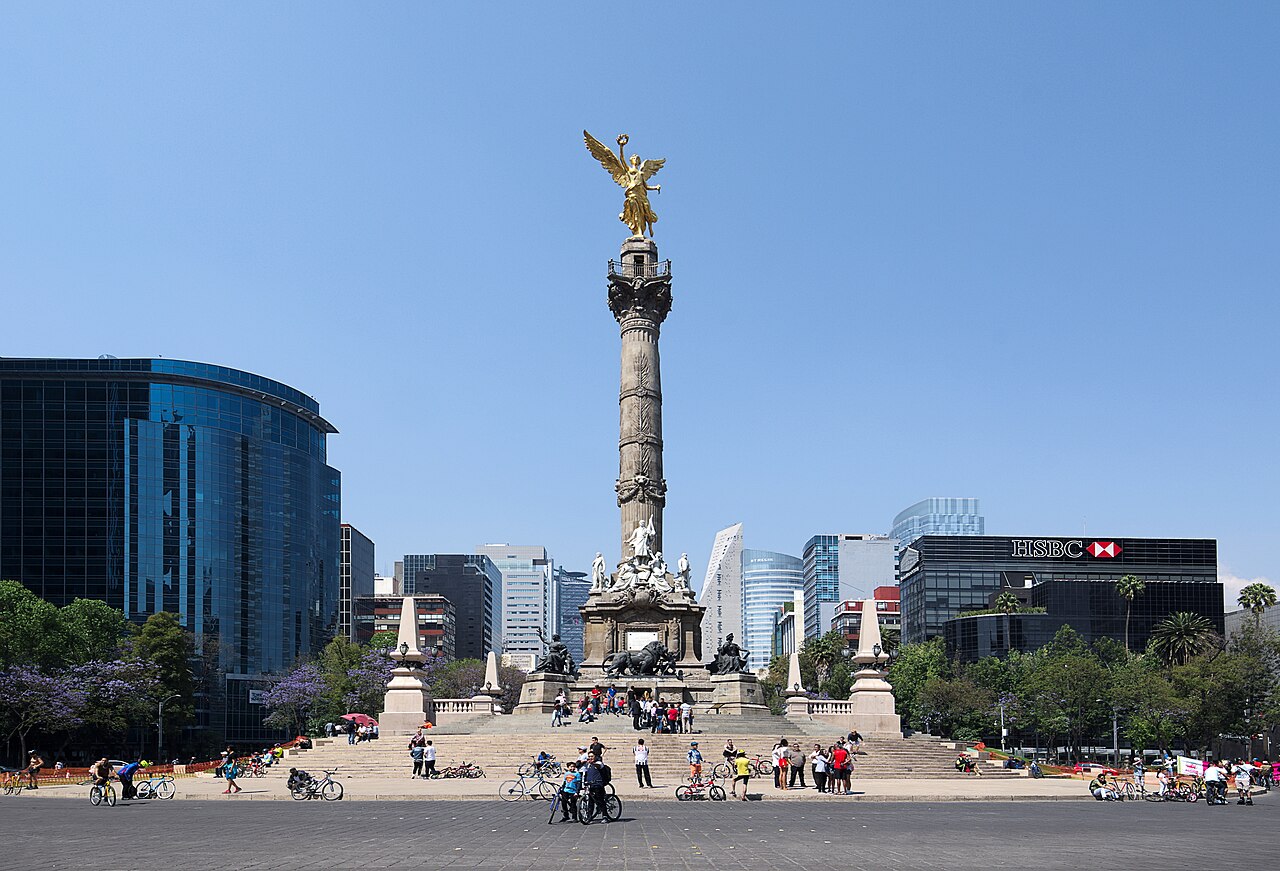
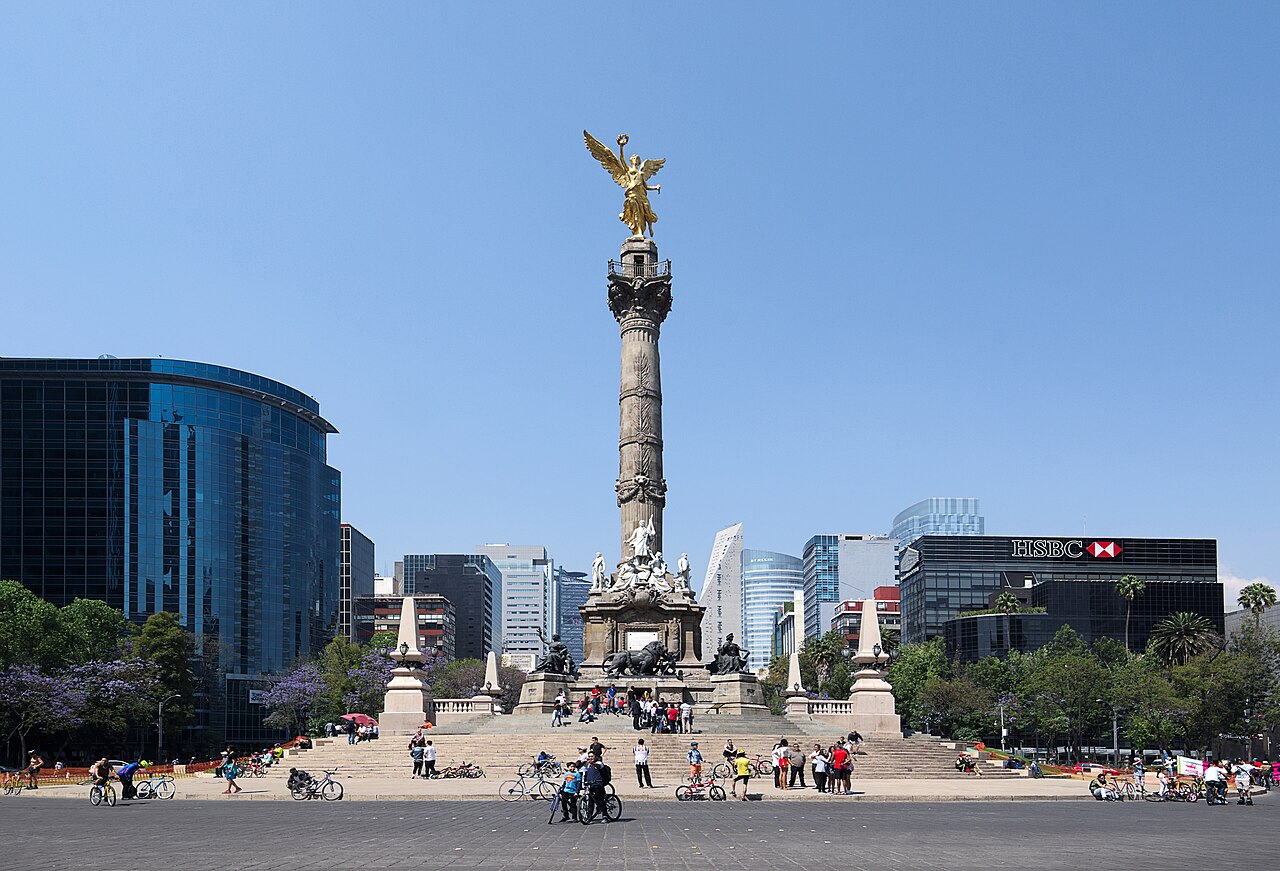
The Ángel de la Independencia is Mexico City's most iconic landmark—a stunning golden-topped monument symbolizing Mexican independence and national pride, set in a grand roundabout on Paseo de la Reforma. It's excellent for photography at any time of day, especially at sunset, sunrise, or night. Note that there's no pedestrian crossing to access it; the busy roundabout has heavy traffic, so cross carefully.
landmarkmonumentMexico City iconindependencearchitecturePaseo de la Reforma - 8Castillo de Chapultepec🏛️ Icon#8of 19$
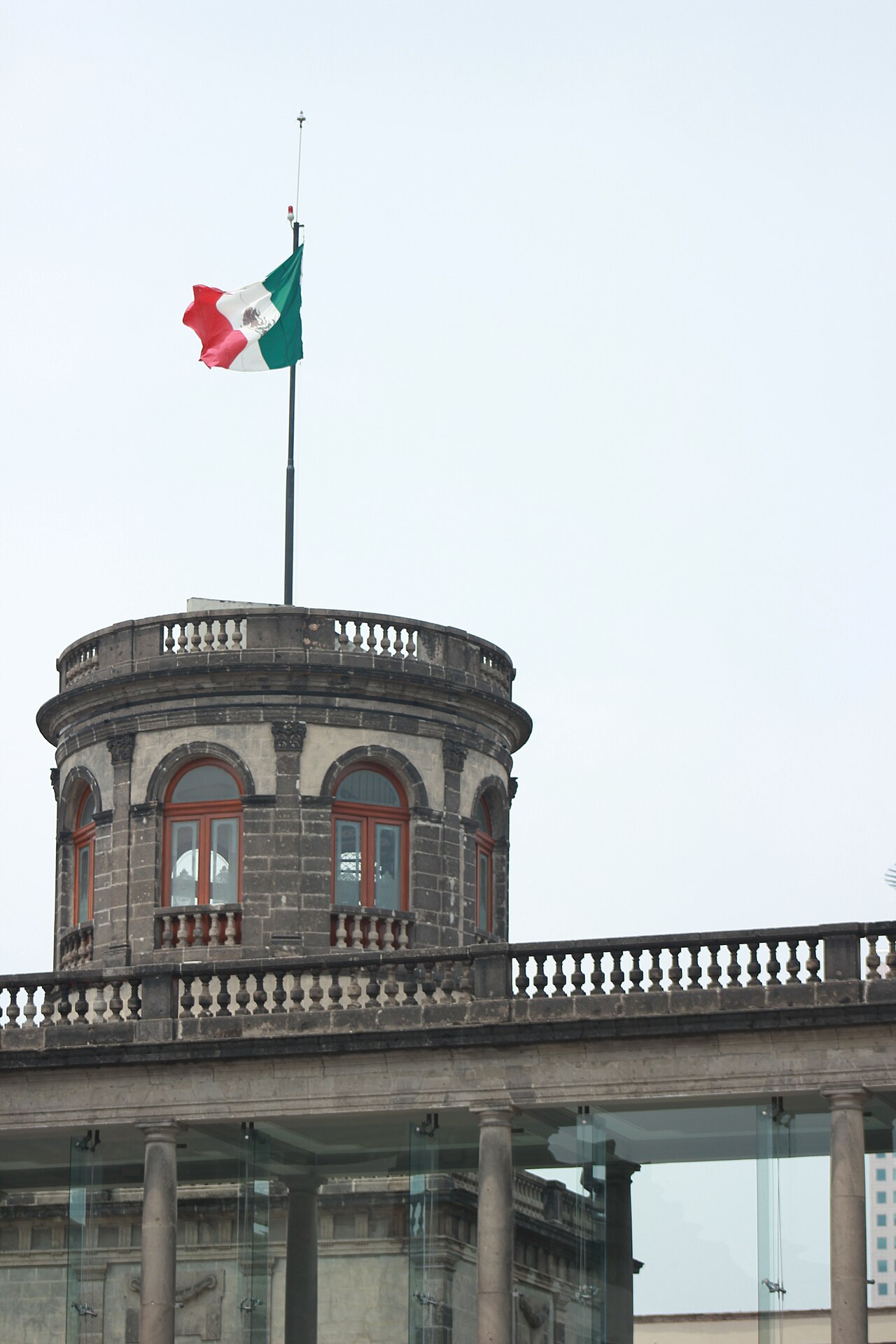
A hilltop castle that served as the official residence of Emperor Maximilian and later Mexican presidents, now housing the Museo Nacional de Historia with sweeping panoramic views of the city skyline. The climb up the hill is short but steep; the reward is one of the best free-feeling vistas in the city plus genuinely compelling rooms of 19th-century Mexican political history. Closed on Mondays — a detail that catches many visitors off guard.
castleMaximilianMexican historyChapultepecviewslandmark - 9Constitution Plaza🏛️ Icon#9of 19
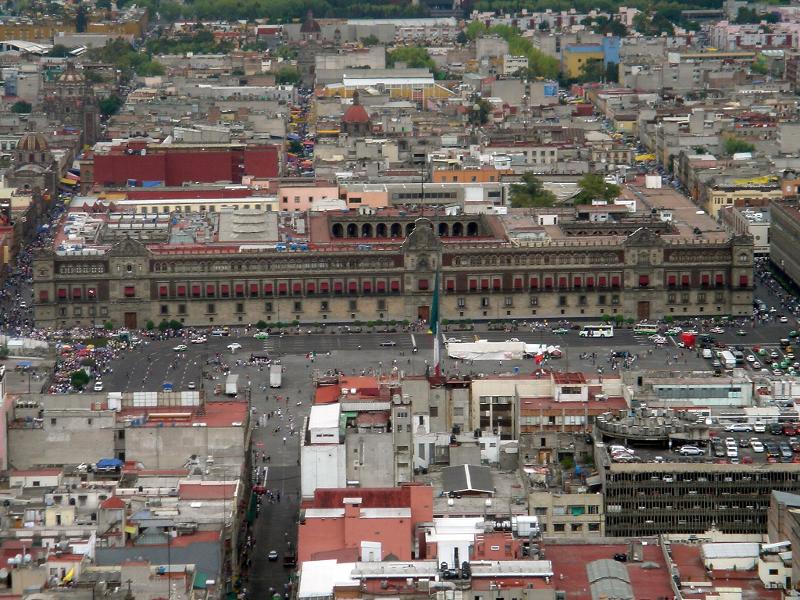
Constitution Plaza (Zócalo) is Mexico City's massive historic central square, anchored by the Metropolitan Cathedral and National Palace with its famous Diego Rivera murals. Stroll the plaza, visit the cathedral or palace interiors, watch the flag ceremony, or simply soak in the energy of one of the world's largest squares. Note that it gets extremely crowded, especially midday and on weekends, so arrive early or visit in late afternoon for a better experience.
ZócaloMexico City centerhistoric squareMetropolitan CathedralNational PalaceDiego Rivera murals - 10Palacio Nacional#10of 19free
The National Palace lines the entire east side of the Zócalo and holds Diego Rivera's epic staircase murals tracing Mexican history from Aztec times through the revolution. Entry is free with a photo ID, and the murals alone justify the trip. Because it is a working seat of government, access can be restricted or closed at short notice, so check before you go and expect airport-style security.
muralsfreehistoriczocalo