Tiong Bahru
7.9Locals Score / 10$$
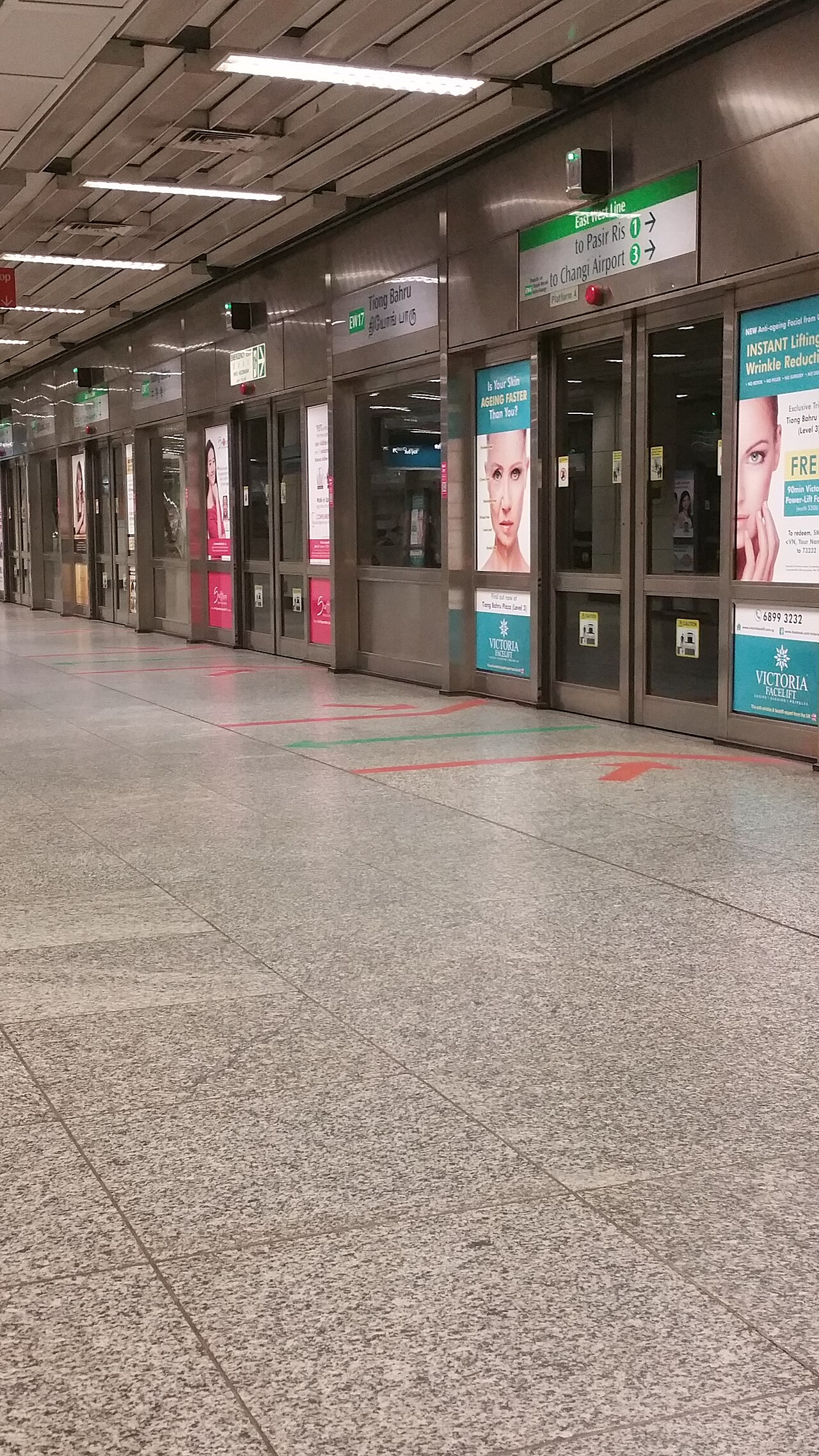
Singapore's first public housing estate, now its most charming heritage-hipster neighbourhood. Streamline Moderne 1930s walk-ups with porthole windows sit beside indie bookshops, specialty coffee, and Tiong Bahru Bakery's famous croissants. The 1955 market's hawker level serves standout chwee kueh. Reach it via Tiong Bahru MRT (EW17), a 10-minute walk from the action.
Key facts
| Hours | Hours not verified |
|---|---|
| Price | $$ |
| Phone | — |
| Website | — |
| Nearest transit | Tiong Bahru MRT (EW17), East-West line; ~10 min (800m) walk to Yong Siak Street core |
| Time needed | Half a day (2-4 hours) |
| Best time to go | Early morning (6-10am) for hawker breakfast, fresh bakery bread and quiet, photogenic streets before the brunch crowd. |
| Last verified | July 15, 2026 |
Locals Score
7.9/10- Value7.5
- Iconic7.5
- Freshness6.0
- Excellence7.5
- Crowd level7.0
- Authenticity8.5
- Accessibility8.0
Frequently asked questions
- Where is Tiong Bahru Bakery?
- The original Tiong Bahru Bakery is on Eng Hoon Street, opened in 2012 and widely credited with sparking Singapore's artisanal bakery craze. Its croissants are consistently called among the best in the city. Go early; the morning bread comes out fresh and the queues build fast on weekends.
- Is Tiong Bahru good for a cafe crawl?
- Absolutely; it's arguably the neighbourhood that started Singapore's specialty coffee movement. Yong Siak Street and the surrounding lanes pack in roasters, bakeries and cafes within easy walking distance, alongside indie shops like BooksActually's successors. Pair it with a hawker breakfast for the full old-meets-new Tiong Bahru experience.
- Is Tiong Bahru worth visiting?
- Yes, if you like walkable neighbourhoods, architecture and good coffee over big-ticket sights. It's one of Singapore's most authentic and photogenic districts, blending genuine heritage with a thoughtful cafe culture. It's not flashy, which is precisely the appeal; a couple of unhurried hours here is time well spent.
- What is Tiong Bahru known for?
- It's Singapore's first public housing estate (1930s), famous for Streamline Moderne architecture with rounded corners and porthole windows, and for launching the city's specialty coffee and boutique bakery scene. Expect indie bookshops, cafes, a beloved 1955 market and hawker centre, and a walkable, lived-in charm.
- When is the best time to visit Tiong Bahru?
- Early morning, roughly 6-10am, is magic: fresh bakery bread, the hawker market in full swing, and quiet streets bathed in soft light before the brunch crowd arrives. Weekday mornings are calmest; weekends get busy with cafe-goers. Evenings are pleasant but quieter than the daytime buzz.
- What should I eat at Tiong Bahru Market?
- The Tiong Bahru Market and Food Centre on Seng Poh Road is a two-storey circular building with a wet market below and hawker stalls upstairs. The local specialty is chwee kueh, steamed rice cakes topped with preserved radish. The hawker level opens early and peaks between 7am and 10am.
- Which MRT is Tiong Bahru?
- Tiong Bahru MRT (EW17) on the East-West line is the gateway, about a 10-minute (800m) walk to the heart of the estate around Yong Siak and Eng Hoon Streets. The station also connects to Tiong Bahru Plaza mall. From there it's a flat, easy stroll into the low-rise conservation blocks.
- What is the architecture in Tiong Bahru?
- It's Streamline Moderne (a late Art Deco style), built by the Singapore Improvement Trust between 1936 and 1941. Look for rounded corners, sweeping horizontal lines, porthole windows and steel railings, with 20 pre-war blocks protected as a conservation area. The walk-up flats are still lived in, so explore respectfully.
Nearby in Ask Singapore
- Tiong Bahru MarketMarket0.56 km · 7 min walk
- The Southern Ridges & Henderson WavesPark1.67 km · 21 min walk
- ChinatownNeighborhood1.83 km · 23 min walk
- Singapore Art MuseumMuseum1.87 km · 23 min walk
- Chinatown Heritage CentreAttraction1.93 km · 24 min walk
Where to stay near Tiong Bahru
Compare hotels & stays on Booking.com · doesn’t affect the Locals Score