The Top 5 Attractions in Rabat
- 1Kasbah of the Udayas#1of 8free
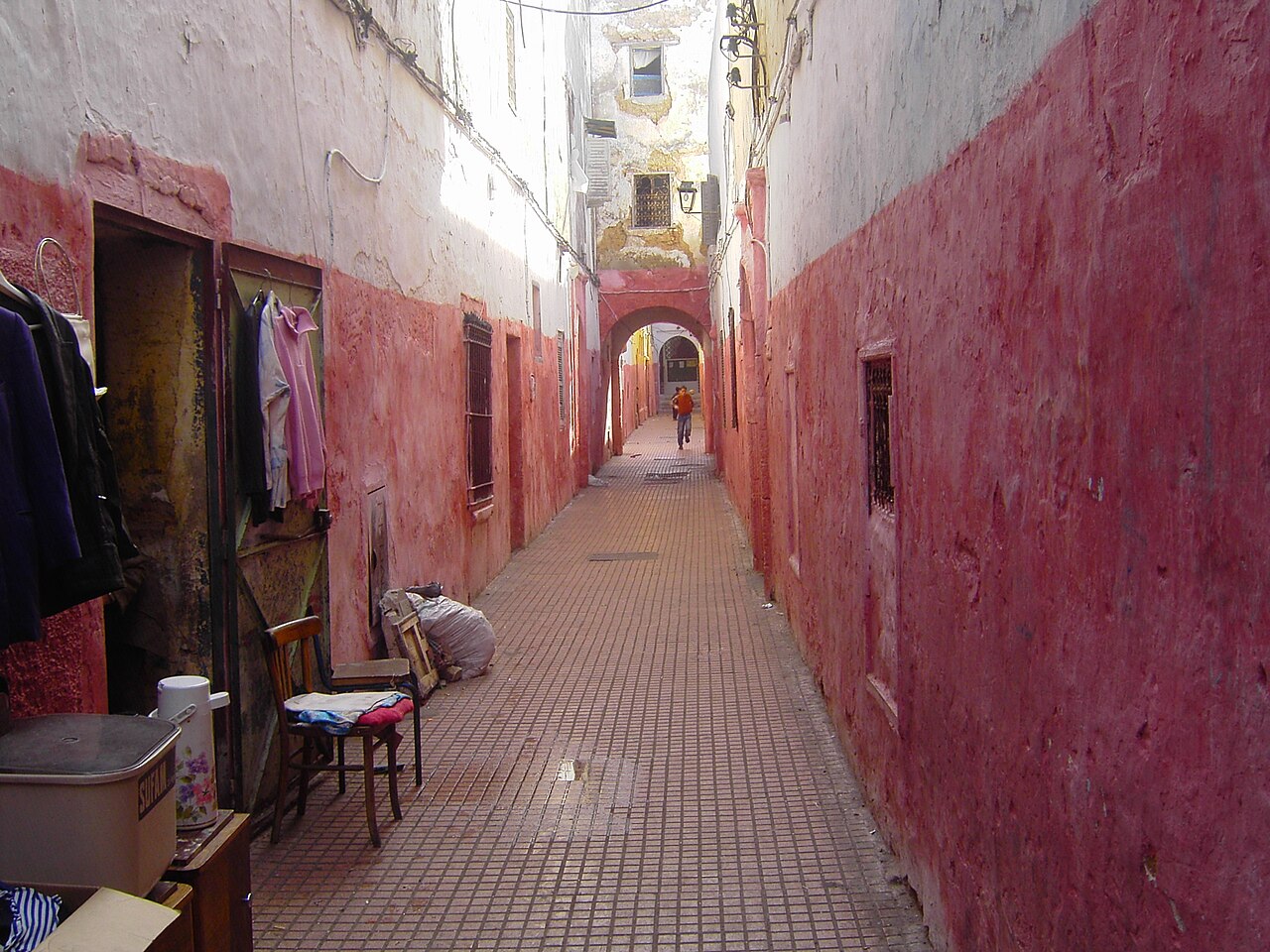
A stunning 12th-century Almohad fortress perched at the mouth of the Bou Regreg river, offering some of the most photogenic blue-and-white alleyways in Morocco. Wander the narrow lanes, visit the Andalusian garden inside, and catch sweeping views of Salé across the water. The attached Museum of Moroccan Arts charges a small fee but the kasbah itself is free to enter. Go early morning to avoid tour groups and get the best light.
UNESCOAlmohadiconicmedinaheritage - 2Chellah Necropolis#2of 8$
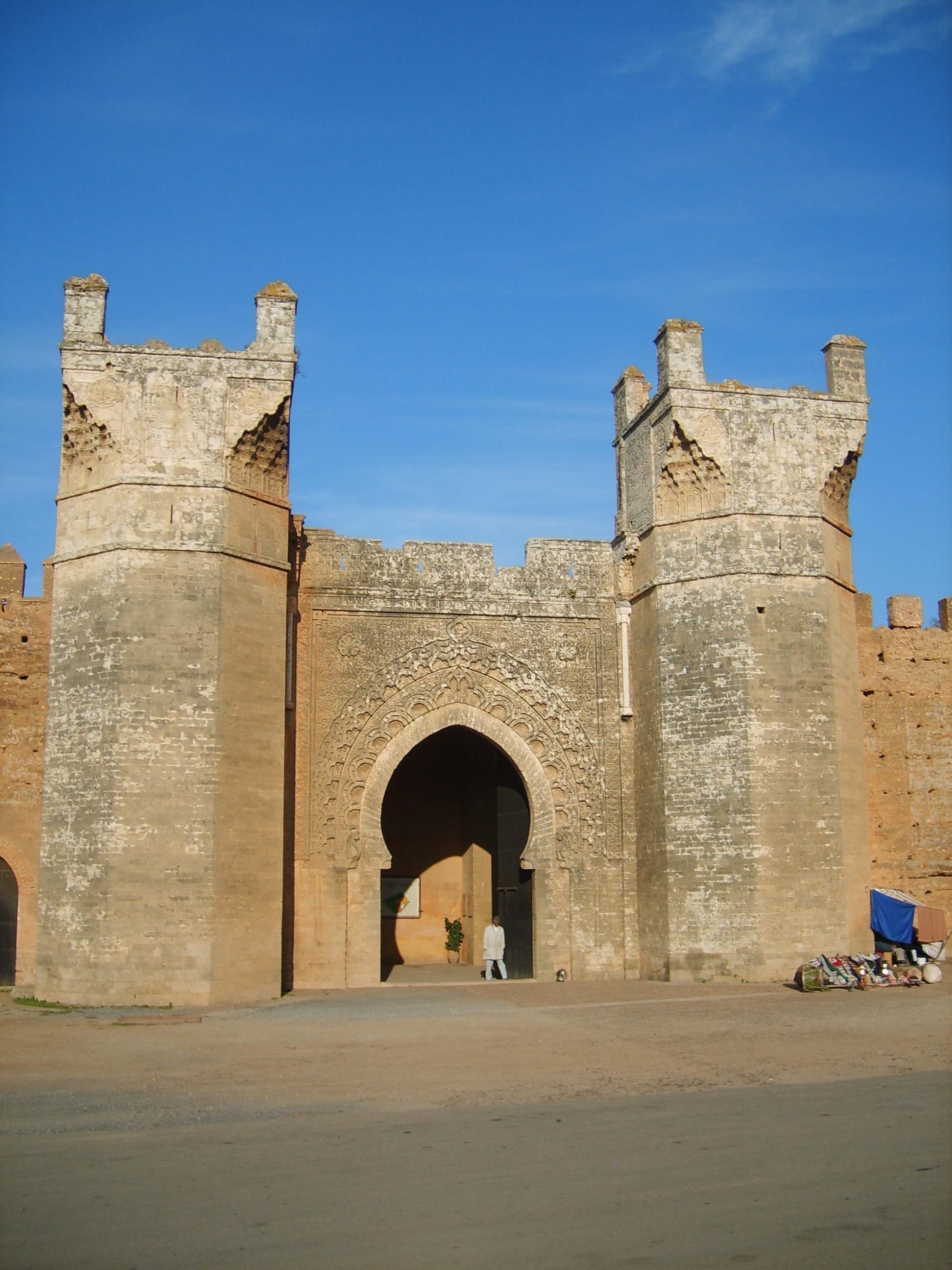
A walled Roman and medieval Merinid necropolis on the southern edge of the city, where ancient ruins are dramatically overgrown with fig trees and inhabited by nesting storks. The site layers Roman Sala Colonia ruins beneath a 14th-century Merinid mosque and royal tombs, creating an atmosphere unlike anywhere else in Morocco. Entry is a modest fee and the site is rarely as crowded as the Hassan Tower. The storks nesting on the minaret in spring are a genuine spectacle.
UNESCOruinsRomanmedievalatmospheric - 3free
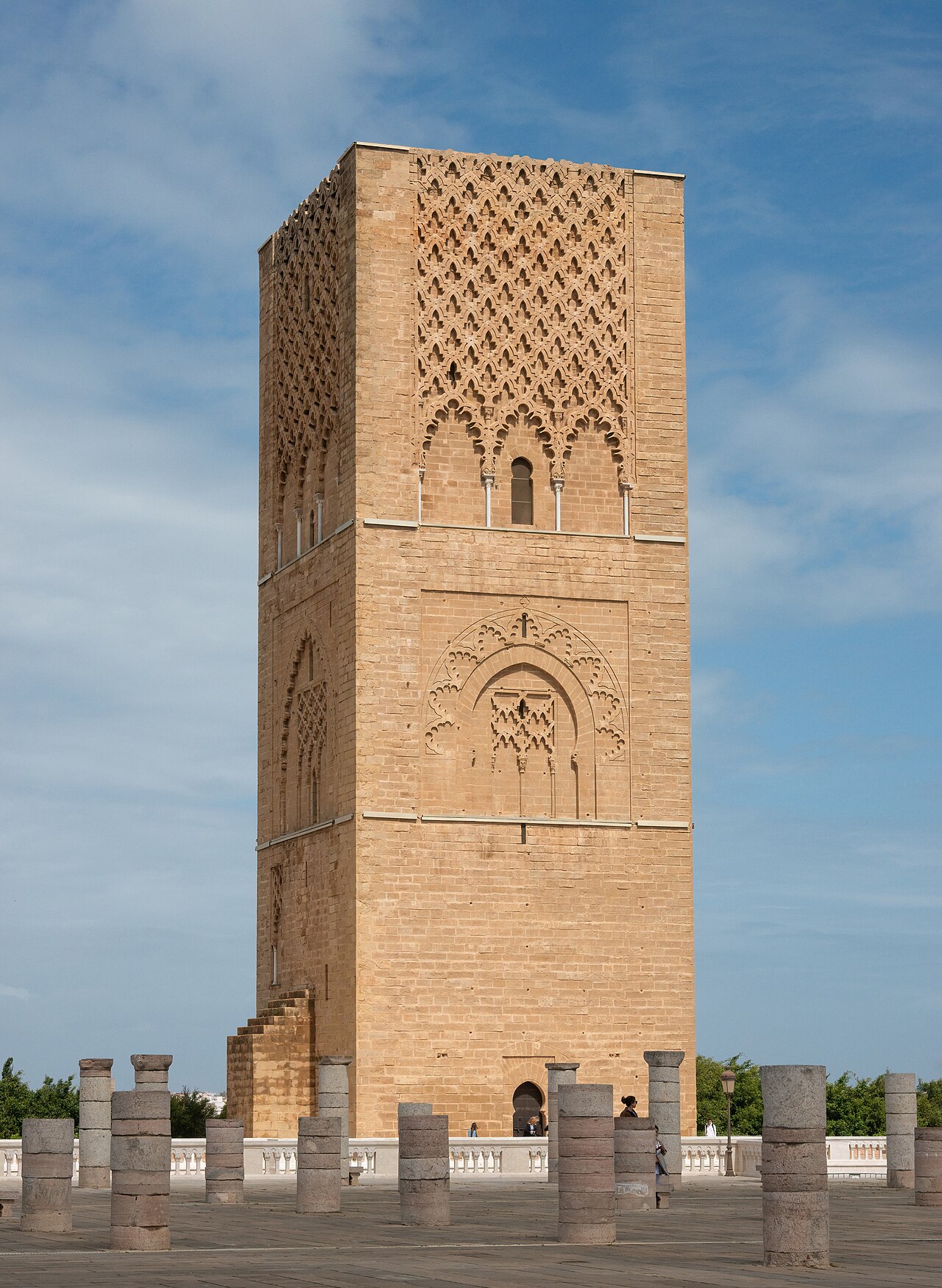
The unfinished minaret of a 12th-century mosque begun by Sultan Yacoub al-Mansour stands as Rabat's most recognizable landmark, surrounded by a forest of broken columns. Adjacent is the Mausoleum of Mohammed V, an exquisitely crafted royal tomb with intricate zellij and carved stucco that visitors can view from a gallery above. The site is open daily and entry is free, though dress modestly. Arrive at opening time to have the columns to yourself before tour buses arrive.
UNESCOlandmarkroyalAlmohadmust-see - 4Rabat Medina#4of 8free
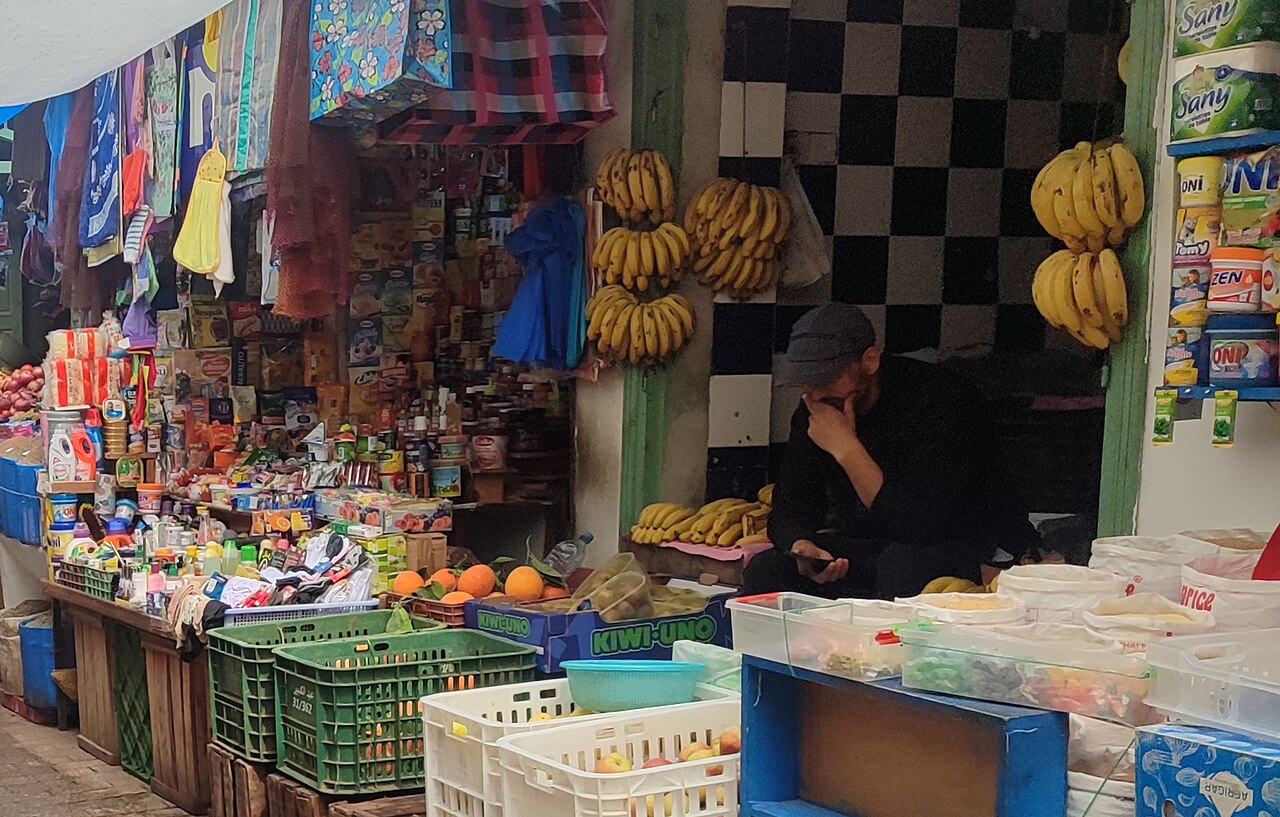
Rabat's old medina is smaller and far less overwhelming than Fez or Marrakech, making it an ideal place to experience authentic Moroccan street life without getting lost. The main artery, Rue Souika, is lined with spice sellers, fabric merchants, and traditional craftsmen. It's a genuinely lived-in neighborhood rather than a tourist market, and locals shop here daily. Head toward the mellah (old Jewish quarter) for quieter lanes and interesting architecture.
authenticlocal lifesouksheritagewalkable - 5free
The redeveloped waterfront along the Bou Regreg river between Rabat and Salé is a genuinely pleasant place to walk, with views of the Kasbah, the Hassan Tower, and the old medina walls reflected in the water. The marina area has cafés and the traditional wooden boats (barques) that ferry passengers across to Salé for a few dirhams — a delightful five-minute crossing. The promenade is liveliest at sunset when families come out en masse. The ferry crossing to Salé is a highlight in itself.
waterfrontsceniclocal lifesunsetpromenade