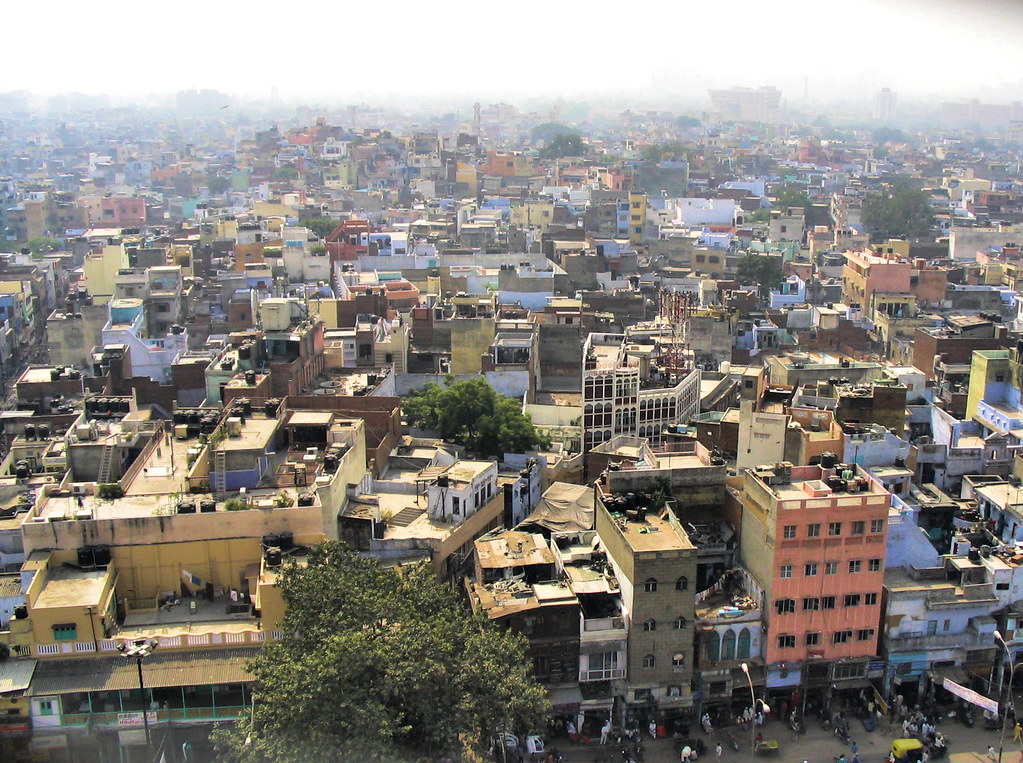
Best Time to Visit Delhi
free
October–March is Delhi's prime visitor window, when daytime temperatures are mild (5–25°C), skies are mostly clear, and outdoor monuments shine. February and early March offer the best balance of warmth, clean air, and manageable crowds. Avoid mid-November through January if air-quality concerns you, and skip April–June for outdoor sightseeing.
Key facts
| Hours | Hours not verified |
|---|---|
| Price | free |
| Phone | — |
| Website | — |
| Nearest transit | Airport Express Line (Orange) from New Delhi Railway Station to IGI Airport Terminal 3 in ~20 min; fare ₹60. Magenta Line serves Terminal 1 directly. |
| Time needed | Plan at least 3–5 days to cover Old Delhi, Lutyens' Delhi monuments, and markets; a week for a fuller cultural itinerary. |
| Best time to go | Late October, November, and February–early March: temperatures 15–25°C, relatively clean air, peak festival calendar, and comfortable outdoor sightseeing. |
| Last verified | July 12, 2026 |
Frequently asked questions
- Is Delhi's winter (December–January) good for tourists?
- Daytime temperatures are pleasant (roughly 10–22°C), but nights can dip near 5°C and dense fog often blankets the city until mid-morning, sometimes disrupting flights. Air quality also peaks in severity during this window, with AQI regularly reaching 'Very Poor' or 'Severe' levels, so pack a quality mask and check real-time AQI before outdoor plans.
- When should I book hotels to get the best rates?
- October–March is peak season, so hotels near Connaught Place and major venues fill fastest around festival weeks (October) and the February craft melas—book at least 2–3 months ahead for those periods. Shoulder months of October and March offer milder crowds and slightly better rates than December–January. Summer and monsoon months see the steepest discounts.
- What are the absolute best months to visit Delhi?
- October, November, and February are widely cited as the sweet spot: temperatures hover between 15–25°C, skies are mostly clear, and outdoor monuments like Qutub Minar, India Gate, and Humayun's Tomb are at their most enjoyable. Late February to early March adds the bonus of Holi and some of the cleanest air of the cool season.
- What festivals happen during the best travel months?
- October–November brings Dussehra, Diwali (Festival of Lights), Durga Puja, the Qutub Festival of classical music and dance, and the Delhi International Film Festival. February–March features the Surajkund Crafts Mela (international artisan fair), Holi (festival of colours), and the Delhi Literary Festival. Note that Diwali fireworks cause a sharp spike in AQI immediately after the celebration.
- Can I visit Delhi in summer (April–June)?
- Temperatures regularly exceed 40°C (104°F), and hot dry winds called 'loo' make afternoons brutal for outdoor sightseeing. If you visit, restrict outdoor activity to early mornings or after sunset, stay hydrated, and focus on air-conditioned museums and malls. The upside: hotel prices drop 30–50% and major monuments are nearly empty.
- Is monsoon season (July–September) worth visiting?
- Monsoon cools temperatures to roughly 28–35°C but brings humidity of 60–80% and occasional city-flooding downpours. August is the wettest month, averaging 172 mm of rainfall. Budget travellers benefit from lower hotel rates and thinner crowds, and the city's gardens turn lush green, but outdoor sightseeing can be disrupted by heavy afternoon showers.
- How do I get from IGI Airport to central Delhi?
- The Airport Express Line (Orange) runs from New Delhi Railway Station to IGI Airport Terminal 3 in about 20 minutes; the fare is ₹60. Terminal 1 (domestic) is served by the Magenta Line at the 'Terminal 1–IGI Airport' station, a 5–7 minute covered walk from the terminal building. Trains run every 10–15 minutes during peak hours.
- How bad is Delhi's air pollution in winter?
- November is historically the worst month for air quality, with AQI readings frequently exceeding 400 ('Severe' category) due to crop-burning in neighbouring states, vehicle emissions, and calm winds trapping pollutants. The Delhi government operates a permanent winter pollution framework from November 1 to February 28 that restricts construction and raises parking charges. Travellers with respiratory conditions should monitor real-time AQI at ews.tropmet.res.in.
Nearby in Ask Delhi
- Autos and Ride Apps in DelhiGetting around0 km · 0 min walk
- Delhi in a WeekendAttraction0 km · 0 min walk
- Getting Around Delhi Without a CarGetting around0 km · 0 min walk
- Rashtrapati BhavanAttraction0.94 km · 12 min walk
- PriveeBar1.17 km · 15 min walk
Where to stay near Best Time to Visit Delhi
Compare hotels & stays on Booking.com · doesn’t affect the Locals Score