The Top 5 Museums in Delhi
- 1Gandhi Smriti#1of 8free
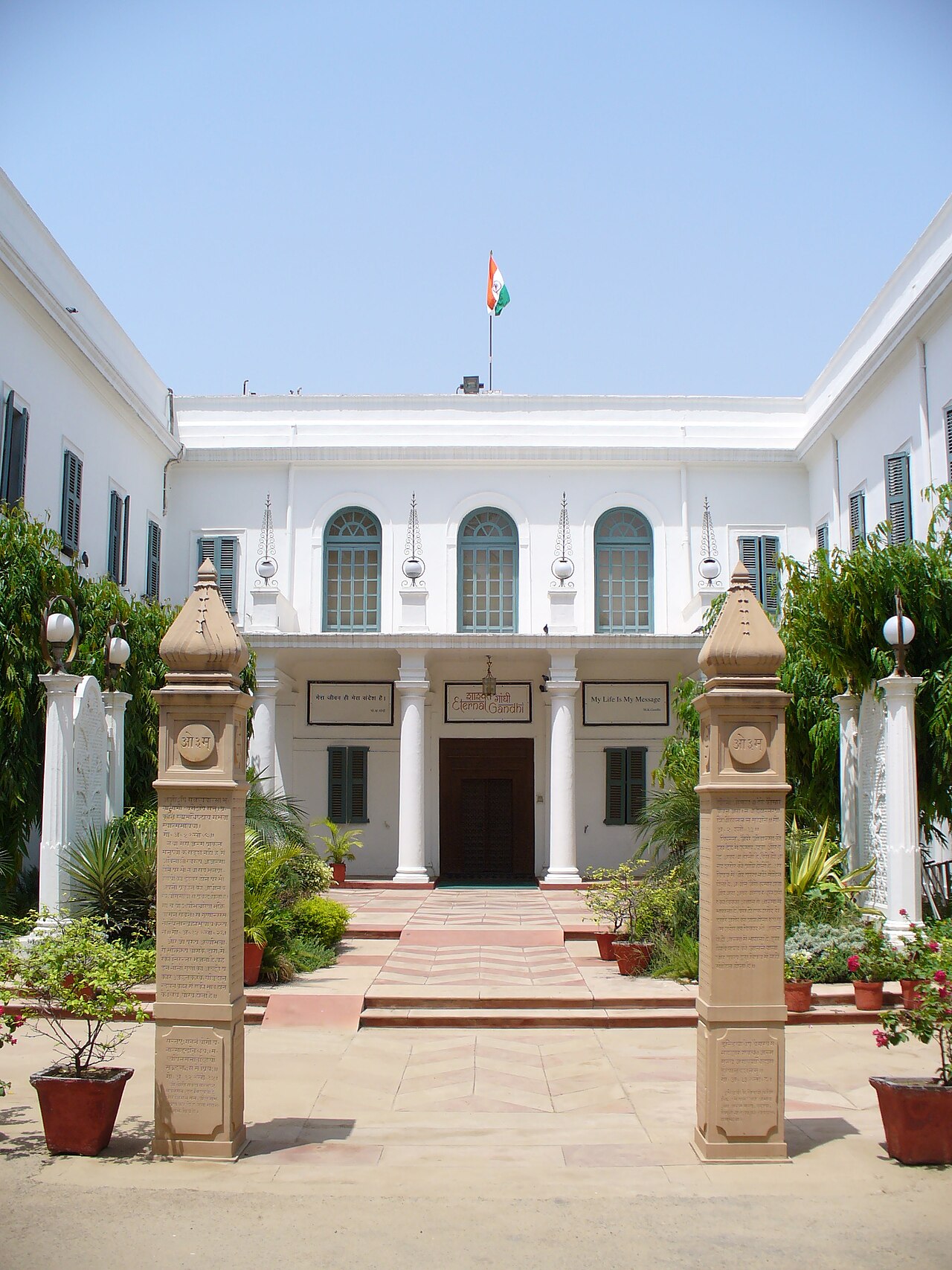
The house where Mahatma Gandhi spent the last 144 days of his life and was assassinated on January 30, 1948, is now a deeply moving memorial museum with well-curated galleries on his life, philosophy, and the independence movement. The Martyr's Column marks the exact spot where he fell, and the Eternal Gandhi multimedia exhibition adds contemporary depth. It is free, well-maintained, and genuinely affecting without being maudlin. Closed on Mondays.
GandhiindependencememorialfreeLutyens Delhiheritage - 2Crafts Museum#2of 8$
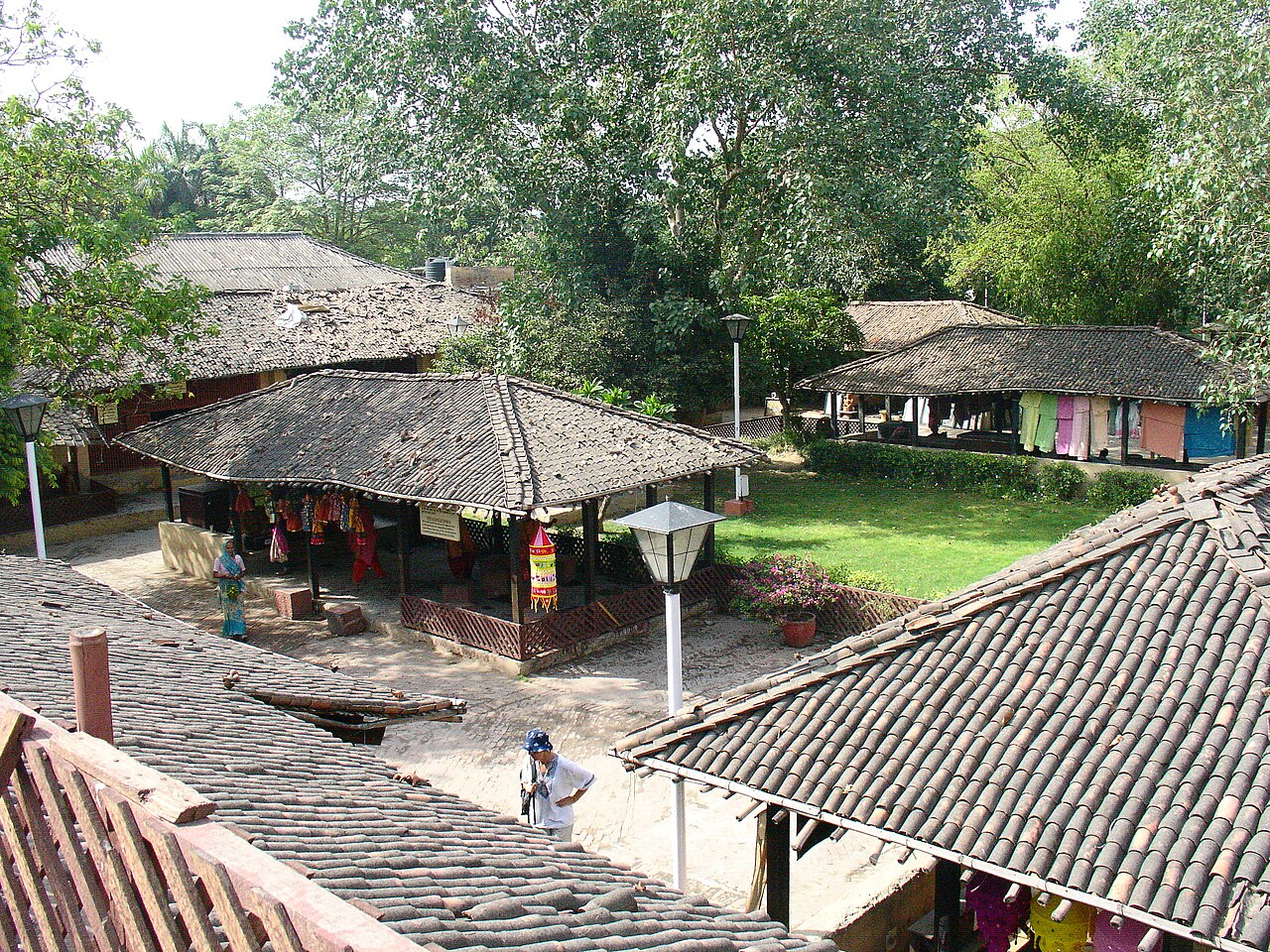
One of India's most underrated institutions, the Crafts Museum showcases living craft traditions from every region of the country — textiles, pottery, woodwork, metalwork, and tribal art — spread across open courtyards and indoor galleries. Artisans are often present demonstrating their craft, making it a genuinely living museum rather than a static display. The on-site shop sells authentic crafts at fair prices. It can feel a bit worn in places, but that only adds to its honest, unhurried character.
craftsfolk artliving museumshoppingauthentic - 3free
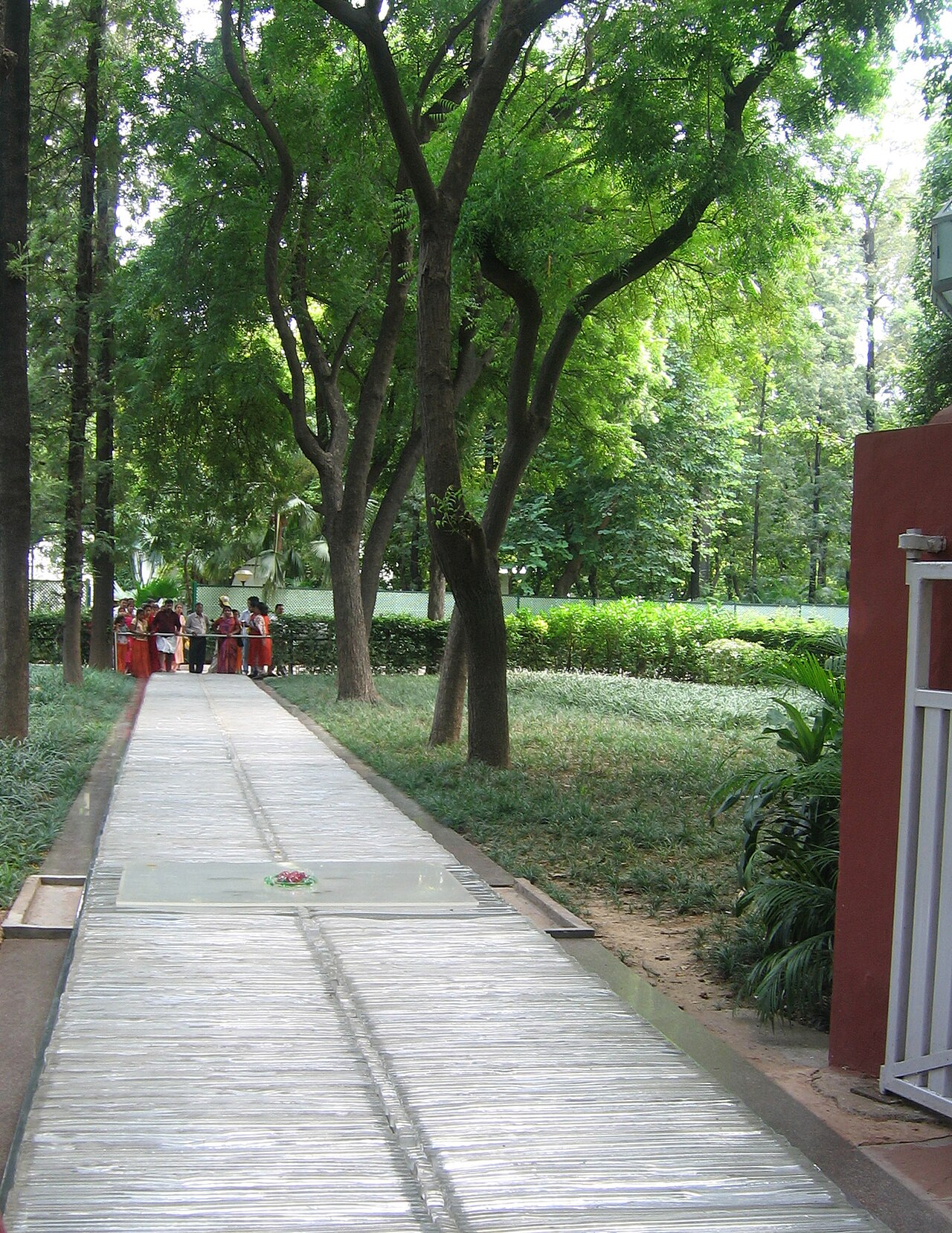
The former residence of Prime Minister Indira Gandhi, preserved exactly as it was on the day of her assassination in 1984, making it one of Delhi's most quietly haunting and emotionally resonant sites. The garden path where she was shot is marked with a glass walkway, and the interiors display her personal belongings, correspondence, and the sari she wore that day. It is free to enter and rarely crowded, which makes it all the more affecting. Allow at least 90 minutes to absorb the adjacent Rajiv Gandhi Foundation exhibits.
political historymemorialIndira GandhiLutyens Delhifree - 4Partition Museum Delhi#4of 8$
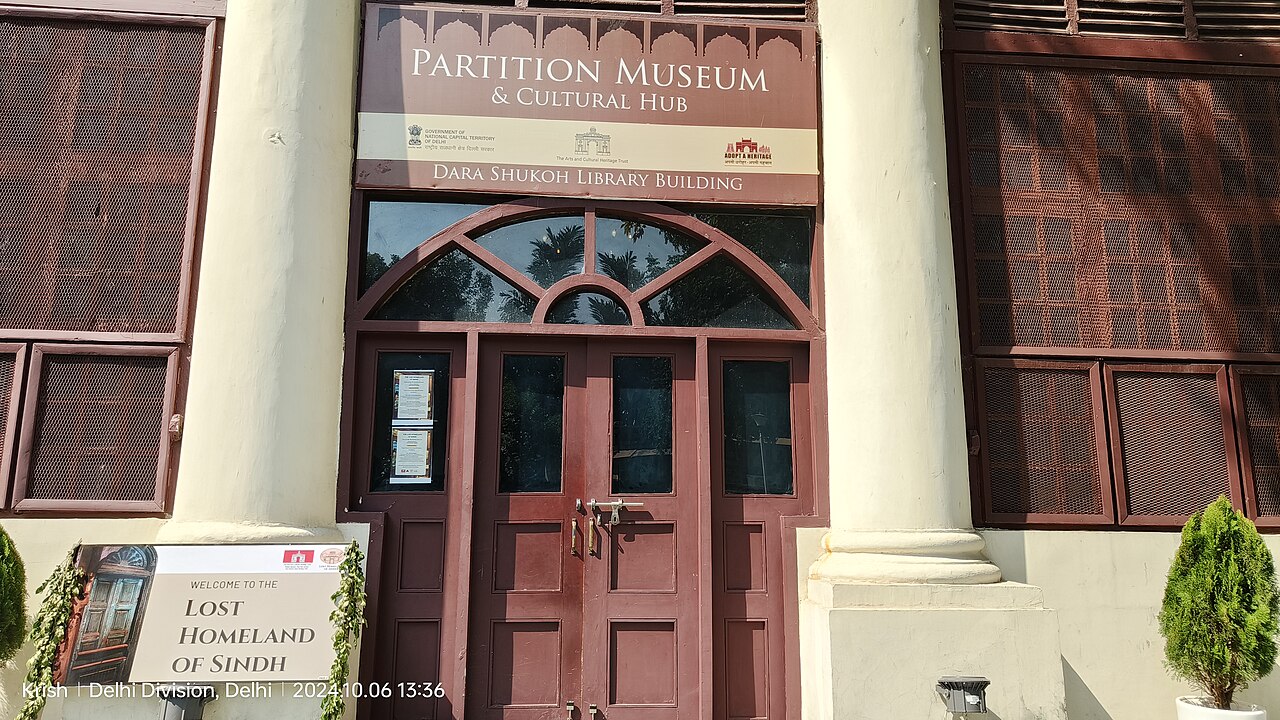
The Delhi outpost of the acclaimed Amritsar Partition Museum, housed in the historic Dara Shikoh Library, documents the 1947 Partition of India through oral histories, personal testimonies, photographs, and archival material. It is emotionally powerful and meticulously researched, filling a significant gap in how India publicly remembers this trauma. The building itself — one of Delhi's oldest libraries — is worth visiting independently. Go on a weekday for a more contemplative experience.
Partitionmodern historyheritage buildingemotionalarchival - 5$
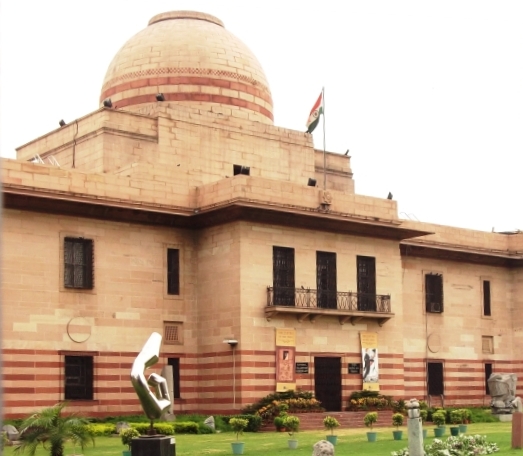
Housed in a grand 1936 Jaipur House, NGMA holds one of South Asia's finest collections of modern Indian art spanning from the 1850s to contemporary works, including masterpieces by Amrita Sher-Gil, Rabindranath Tagore, and Jamini Roy. The permanent galleries are thoughtfully curated and the rotating temporary exhibitions are consistently strong. Photography is restricted in most galleries, and the café is mediocre, so eat before you visit.
art museumheritageAmrita Sher-Gilcolonial architecture