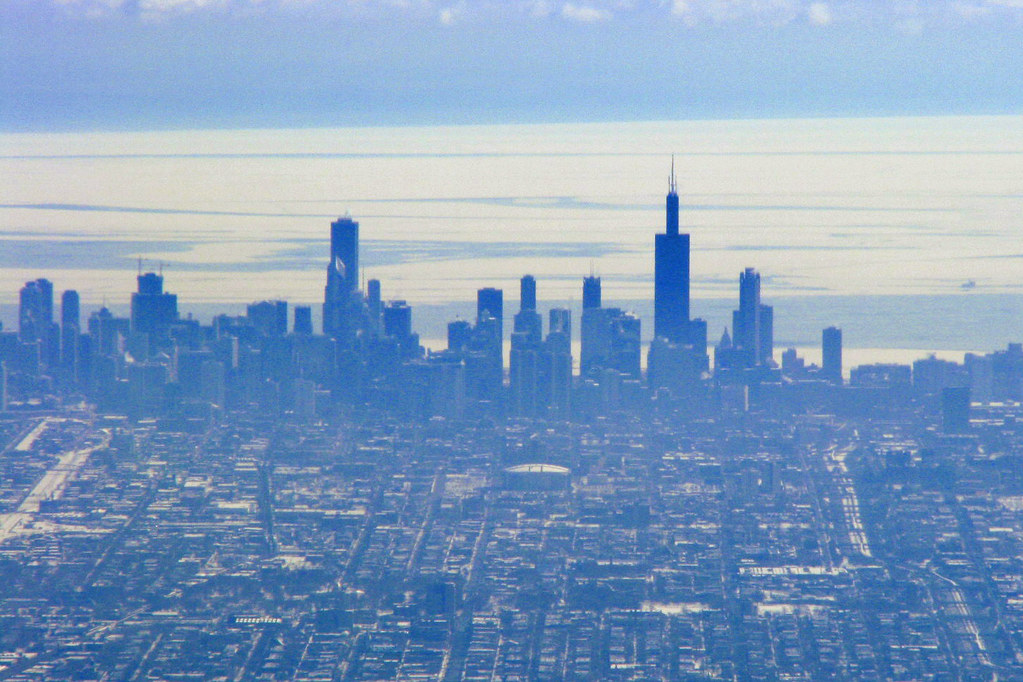
Chicago Lakefront Trail Guide
Chicago's Lakefront Trail is a free, 18.5-mile paved path hugging Lake Michigan from Ardmore Ave (north) to 71st St (south). Divided into separate bike and pedestrian lanes since 2018, it links four major parks, dozens of beaches, and iconic landmarks — making it the city's premier outdoor corridor and one of the busiest urban trails in the US.
Key facts
| Hours | Daily 00:00–23:59 |
|---|---|
| Price | free |
| Phone | — |
| Website | — |
| Nearest transit | Red Line 'L' (Lake or Grand stops for central access); CTA buses 136, 60, 65 near Grant Park; Metra Millennium Station (~2 min walk to trail at Randolph St); Divvy bike-share stations at dozens of points along the trail |
| Time needed | 2–3 hrs for a highlight segment (e.g., Navy Pier to Museum Campus); 5.5–6 hrs to walk the full 18+ miles end-to-end; 2–3 hrs to cycle the full trail |
| Best time to go | Weekday early mornings (before 8 AM) for fewest crowds; late spring and early fall for mild weather; summer sunrise for skyline photography from Museum Campus or North Avenue Beach |
| Last verified | July 12, 2026 |
Frequently asked questions
- How long is the Chicago Lakefront Trail?
- The trail is 18.5 miles long, running from Ardmore Avenue/Kathy Osterman Beach in Edgewater on the north to 71st Street near the South Shore Cultural Center on the south. A 2018 separation project created a dedicated 18-mile bike path and an 18.5-mile pedestrian path running in parallel along most of the route.
- Is the Lakefront Trail open in winter?
- Yes — the trail is open year-round and used by locals even in cold weather, though it is busiest between Memorial Day and Labor Day. In winter, some sections near the water's edge may close temporarily due to ice or freezing conditions. Park District restrooms along the trail typically close in fall. Dress in wind-resistant layers, as Lake Michigan generates strong, cold winds for much of the year.
- Is the Lakefront Trail free to use?
- Yes — the trail is entirely free and open to the public 24 hours a day, 7 days a week. There are no admission fees to walk, run, or bike. Adjacent facilities like parking lots or specific park amenities may carry separate fees.
- What are the Lakefront Trail's hours?
- The trail itself is open 24 hours a day. However, the parks and beaches along the path close at 11 PM. During winter, isolated sections near the water's edge may close temporarily due to ice or storm damage.
- What landmarks can I see along the Lakefront Trail?
- The trail passes Navy Pier, Millennium Park, Grant Park, Buckingham Fountain, Museum Campus (Shedd Aquarium, Adler Planetarium, Field Museum), Soldier Field, Lincoln Park Zoo, North Avenue Beach, Montrose Beach, and the South Shore Cultural Center. It threads through Lincoln Park, Grant Park, Burnham Park, and Jackson Park.
- Can I take public transit to the Lakefront Trail?
- Yes — the trail is accessible from multiple CTA 'L' lines, buses, and Metra commuter rail. For the central section, the Red Line (Lake or Grand stops) and Metra's Millennium Station are within a short walk. CTA buses 136, 60, and 65 also stop near the trail. One popular approach is to take the Red Line to Bryn Mawr or Howard, ride the trail south to Grant Park, then return by 'L'.
- How do I rent a bike to ride the Lakefront Trail?
- Divvy, Chicago's bike-share system, offers a Day Pass for $19.90 that includes unlimited classic bike rides up to 3 hours each within 24 hours; e-bikes are free to unlock plus $0.44/minute for Day Pass holders. Dozens of Divvy stations sit directly on or adjacent to the trail. Private rental shops like Bobby's Bike Hike (near Navy Pier) offer hourly and full-day options with helmets and maps included.
- How crowded does the Lakefront Trail get?
- On sunny summer days, up to 70,000 people use the trail, and more than 100,000 can access it on a typical summer weekend at the busiest points, making it one of the busiest urban trails in the United States. The central section between Navy Pier and North Avenue Beach is the most congested; the stretch between Montrose and Foster Beach on the north, and the southern half below Museum Campus, are consistently quieter.
Nearby in Ask Chicago
- Maggie Daley ParkPark0.05 km · 1 min walk
- Millennium ParkPark0.31 km · 4 min walk
- Getting Around Chicago Without a CarGetting around0.36 km · 5 min walk
- Best Time to Visit ChicagoAttraction0.36 km · 5 min walk
- Cloud Gate (The Bean)Attraction0.36 km · 5 min walk
Where to stay near Chicago Lakefront Trail Guide
Compare hotels & stays on Booking.com · doesn’t affect the Locals Score