The Top 5 Markets & Food Halls in Seoul
- 1Gyeongdong Market#1of 9$
Seoul's premier traditional herbal medicine and medicinal ingredient market, operating since the 1960s and still the go-to destination for hanbang (Korean traditional medicine) supplies, dried herbs, roots, and health tonics. The sensory experience of walking through hundreds of stalls piled with ginseng, mushrooms, and exotic dried goods is unlike anywhere else in the city. It's not a tourist attraction per se — vendors are busy professionals — so approach respectfully.
herbal markettraditional medicineauthenticDongdaemununique - 2Dongmyo Flea Market#2of 9$
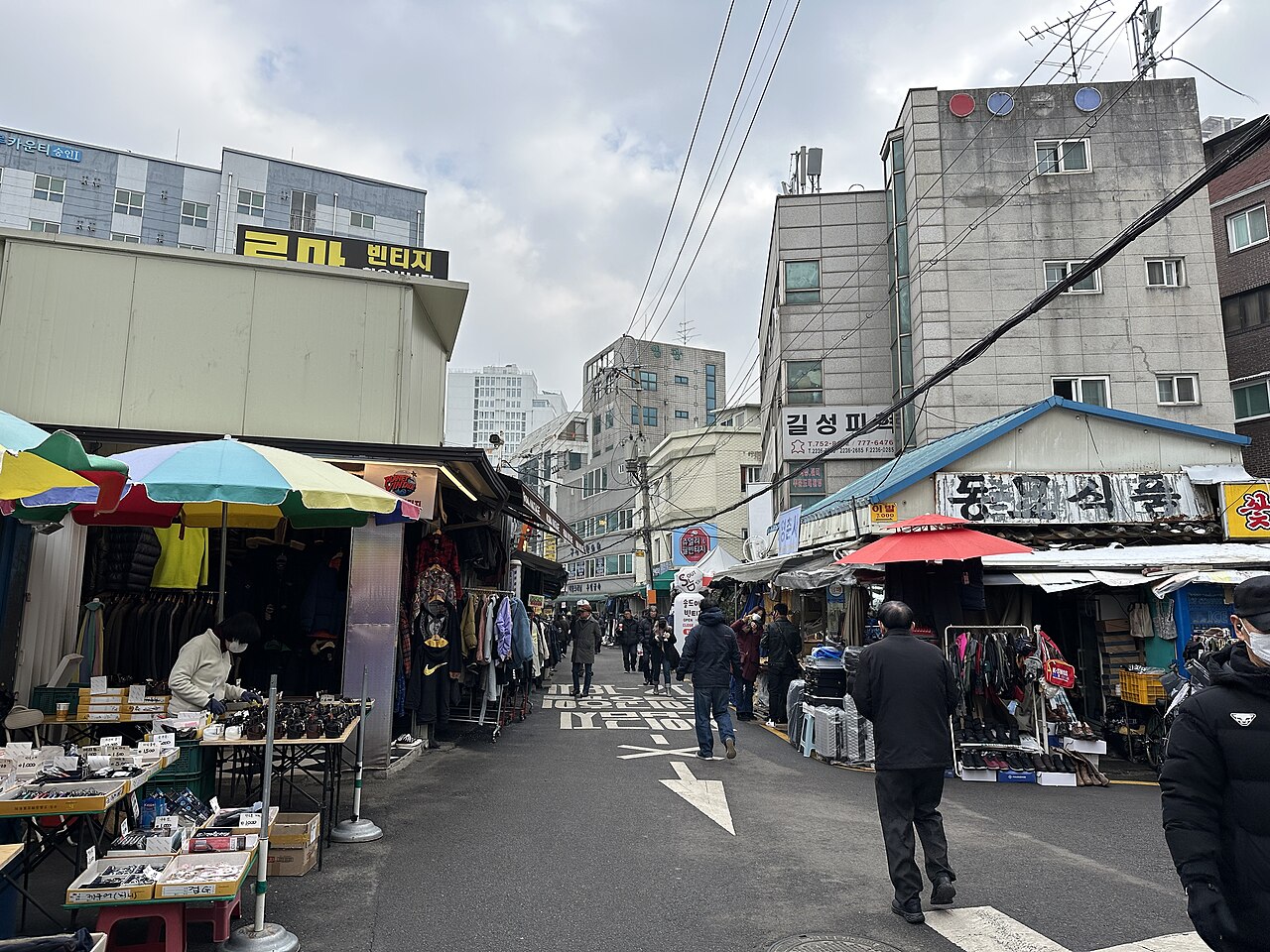
One of Seoul's most fascinating flea markets, sprawling around Dongmyo station with vendors selling vintage clothing, antiques, military surplus, old electronics, and genuine curiosities. It's a treasure-hunt experience beloved by vintage hunters and designers, and the surrounding pojangmacha (street food tents) make for a great afternoon. Weekends are busiest; bargaining is expected and part of the culture.
flea marketvintageantiquessecondhandDongmyo - 3Namdaemun Market#3of 9$
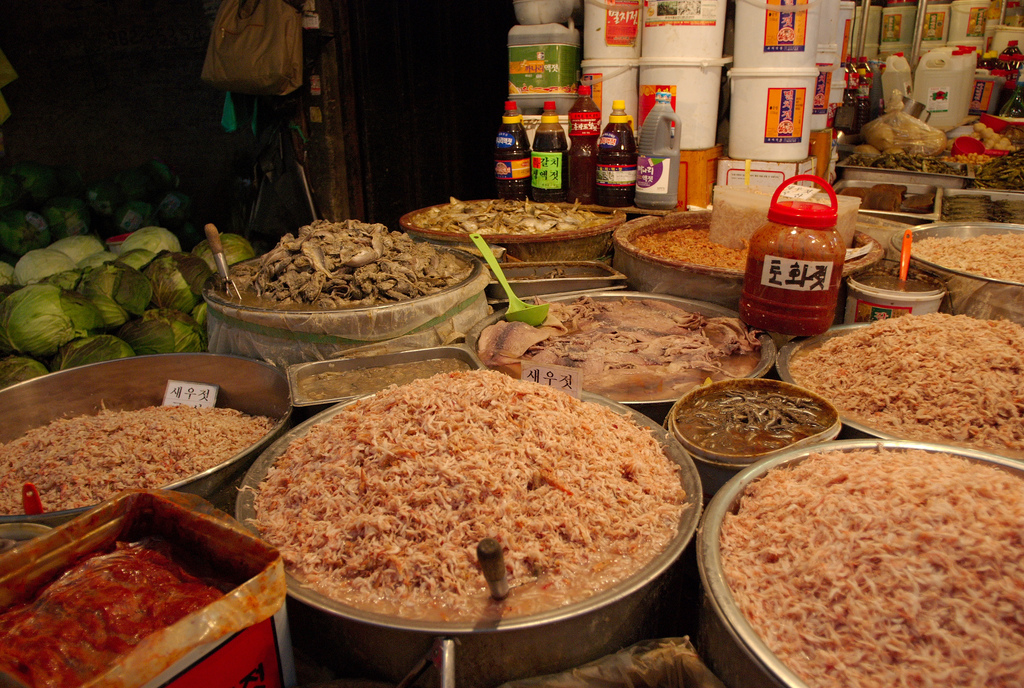
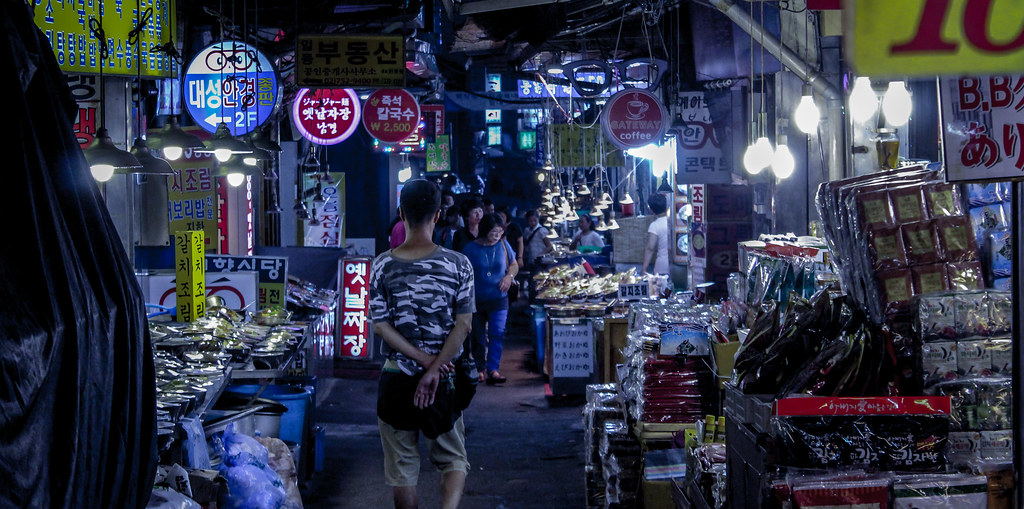
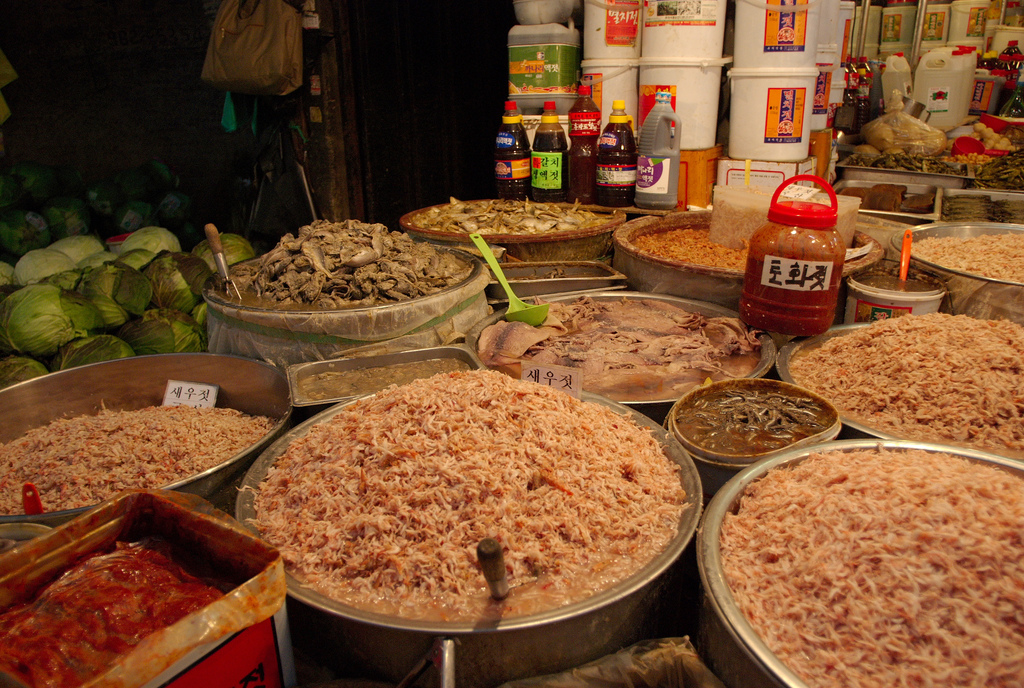
Namdaemun is Korea's largest traditional market, a sprawling maze of wholesale goods and standout food alleys, most famously Galchi-jorim Alley (braised hairtail) and Kalguksu Alley. Open daytime, closed Sundays; wholesale runs overnight. Less touristy food than Gwangjang, more everyday Seoul.
- 4Mangwon Market#4of 9$
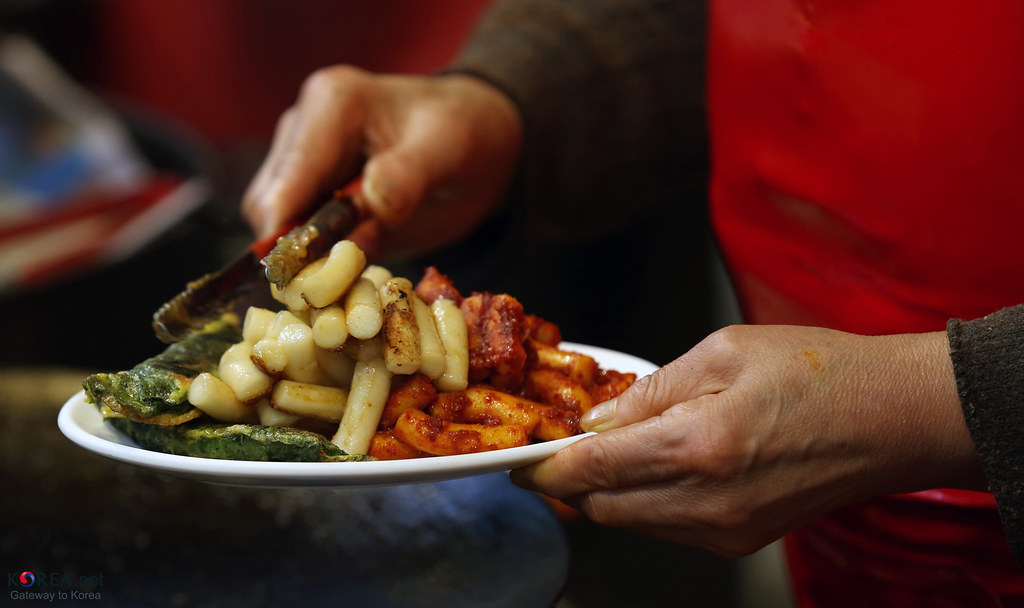
A beloved neighborhood market near Hongdae that draws both locals and food-savvy visitors for its excellent street food and fresh produce stalls. Must-tries include the hotteok (sweet pancakes), tteokbokki, and seasonal fruit. It's genuinely local in character but has grown popular enough on weekends that you'll want to arrive early or on a weekday.
traditional marketlocal favoritestreet foodneighborhood gem - 5Gwangjang Market#5of 9$
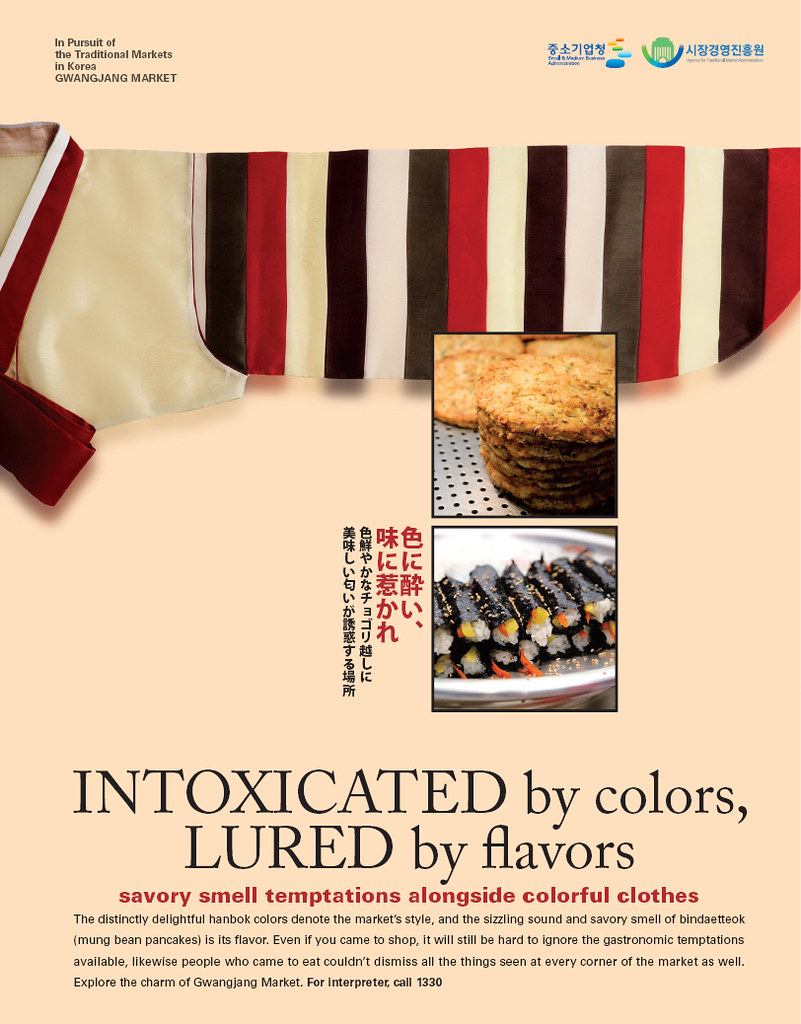
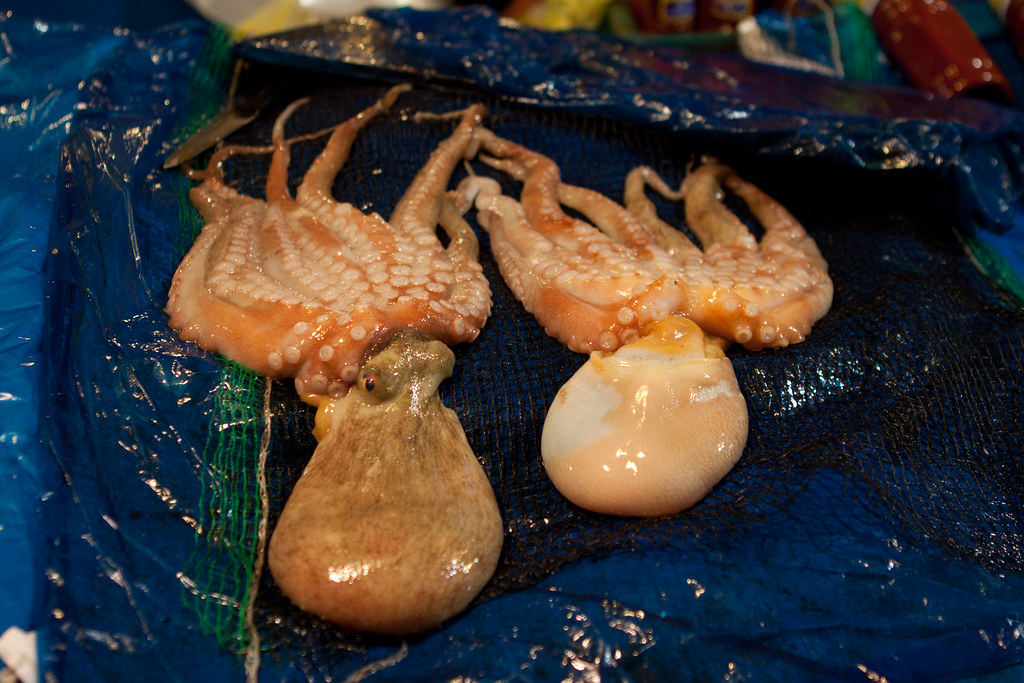
Gwangjang is Seoul's most famous street-food market, home to bindaetteok mung-bean pancakes, mayak gimbap, and live-octopus stalls. Food alley runs roughly 9am-11pm (many stalls wind down earlier). Iconic and delicious, but now very touristy and cash-friendly. Go hungry, go earlyish.