Santa Teresa
8.0Locals Score / 10$$
Known forsanta teresastreet arttrambonde
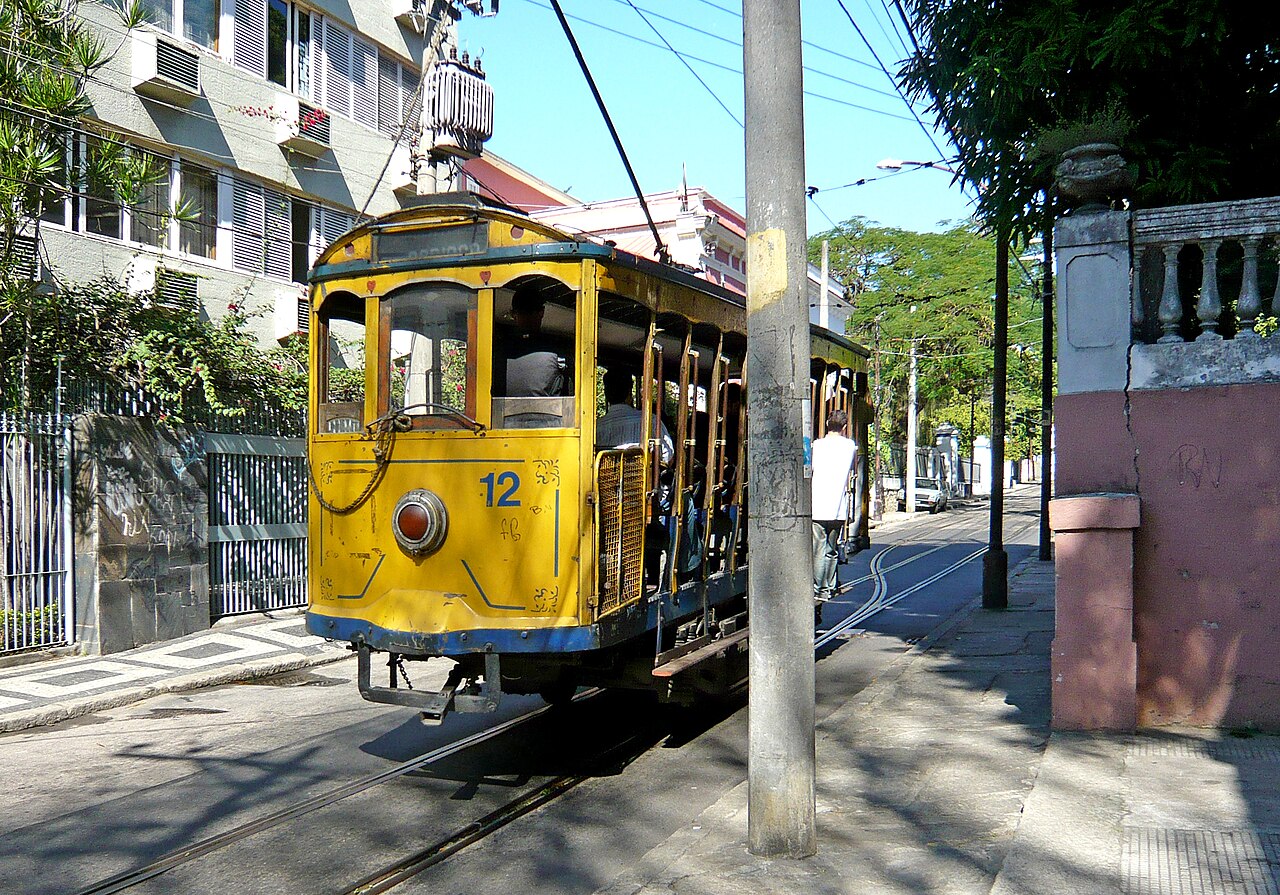
Santa Teresa is Rio's bohemian hilltop village — cobbled lanes, crumbling mansions, artist studios, and sweeping city views, reached by the yellow heritage tram rattling across the Lapa arches (about R$20 return). It's the most atmospheric neighborhood in the city. Wear real shoes, stick to the main drags, and don't wander downhill on foot.
Key facts
| Hours | Hours not verified |
|---|---|
| Price | $$ |
| Phone | — |
| Website | — |
| Nearest transit | Santa Teresa tram (bonde) from Carioca station in Centro, roughly R$20 return; otherwise Uber/taxi up the hill |
| Time needed | Half a day |
| Best time to go | Late morning through sunset on a clear day; weekends are lively, weekdays are dreamier |
| Last verified | July 12, 2026 |
Locals Score
8.0/10- Value8.0
- Iconic7.5
- Freshness5.9
- Crowd level6.5
- Authenticity9.0
- Accessibility6.0
Frequently asked questions
- Can I walk from Lapa to Santa Teresa?
- Yes — the Selarón Steps climb from Lapa's Rua Joaquim Silva toward Santa Teresa, and it's the classic route up. Do it in daylight with company; coming down at night, take an Uber instead. The full climb from the steps to Largo do Guimarães is steep — budget 25-35 sweaty minutes.
- When is the best time to visit Santa Teresa?
- A clear day, because the views are half the point. Weekends bring live music and open studios (and the biggest bonde queues); weekdays are quiet and romantic. If you're around in July, the neighborhood's winter festival weekends and the arts scene are in full swing — check local listings.
- What is Parque das Ruínas?
- The open shell of a mansion that belonged to salon hostess Laurinda Santos Lobo, converted into a free cultural center with a viewing platform over Centro, the bay, and Sugarloaf. It's the single best free view in this part of Rio and often hosts weekend music. Closed Mondays, typically.
- What is Santa Teresa known for?
- It's Rio's artists' quarter — a hilltop neighborhood of 19th-century mansions, ateliers, boutique hotels, and view-blessed bars that escaped the high-rise fate of the beach zone. Think of it as Rio's answer to Montmartre, with samba in the botecos instead of accordions.
- How does the Santa Teresa tram work?
- The historic yellow bonde leaves from the terminal near Carioca metro station in Centro, crosses the top of the Lapa arches, and climbs through the neighborhood. A return ticket runs about R$20 and cards are accepted; departures are roughly every 20-30 minutes and queues get long midday — go early. The network has actually been expanding, with restored sections reopening in 2025 and 2026.
- What should I actually do in Santa Teresa?
- Ride the bonde up, wander Largo do Guimarães's shops and cafés, visit the Parque das Ruínas cultural center for the knockout free view over Guanabara Bay, peek at the Museu Chácara do Céu next door, and settle into a boteco like Bar do Mineiro for feijoada and a batida. That's the perfect half day.
- Is Santa Teresa safe?
- The main spine — Largo do Guimarães to Largo das Neves — is fine by day with normal care. The risk is the edges: the hill borders several favelas and the quiet, steep connecting streets are where robberies happen. Uber between points rather than walking downhill, and don't wander after dark away from the busy squares.
- Is Santa Teresa a good place to stay?
- Wonderful if you want charm — boutique hotels in old mansions with pools and views — but accept the logistics: every beach trip is a 20-40 minute ride, and you'll Uber everywhere after dark. First-timers who want beach mornings should stay in the Zona Sul and day-trip here instead.
Nearby in Ask Rio de Janeiro
- Bar do MineiroRestaurant0.28 km · 4 min walk
- Café do AltoCafé0.32 km · 4 min walk
- AprazívelRestaurant0.6 km · 8 min walk
- LapaNeighborhood1.06 km · 13 min walk
- Selarón Steps (Escadaria Selarón)Attraction1.07 km · 13 min walk
Where to stay near Santa Teresa
Compare hotels & stays on Booking.com · doesn’t affect the Locals Score