The Top 5 Markets & Food Halls in Osaka
- 1$
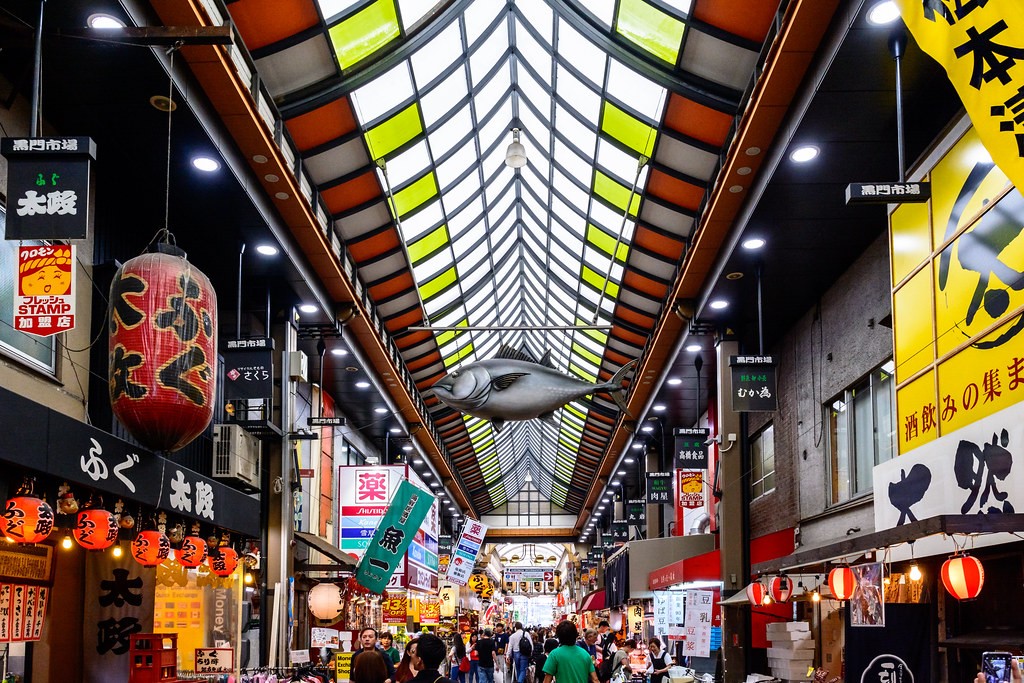
Japan's longest covered shopping street — roughly 2.6 km and hundreds of shops from Tenjinbashi 1-chome to 7-chome — and still gloriously local: cheap kissaten, standing sushi, croquette counters, kimono shops, old-timers on bicycles. This is the anti-Dotonbori, and exactly where a local friend takes you. Free to wander; bring cash, since many small shops don't take cards.
shopping arcadetakoyakikushikatsustreet foodseafoodkissaten - 2$
Osaka's sprawling Korean market is a labyrinthine covered complex of narrow alleys packed with kimchi vendors, Korean grocery stalls, yakiniku ingredient shops, and cheap street food. It is the real heart of Osaka's Zainichi Korean community and has been operating for decades. Go hungry and try the fresh kimchi and grilled offal — just be aware the layout is genuinely confusing and some alleys are quite dark and cramped.
Koreanethnic marketfoodauthenticlocalhistoric - 3$
Taisho ward hosts Osaka's large Okinawan community and the local shopping street and market stalls reflect this with Okinawan soba, awamori liquor shops, chanpuru ingredients, and tropical produce rarely found elsewhere in mainland Japan. It is deeply local, almost entirely Japanese-speaking, and rewards curious visitors willing to venture off the tourist trail. The area is modest and unglamorous but the cultural authenticity is exceptional.
Okinawanethnic marketlocalauthentichidden gemfood - 4$$
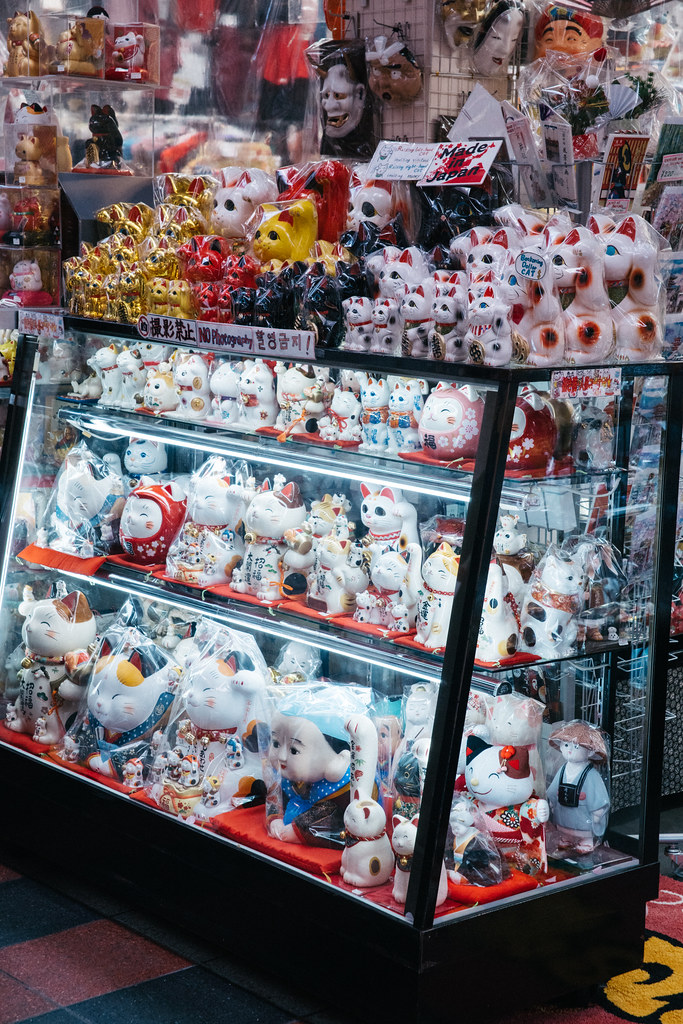
This specialist street market is dedicated entirely to restaurant and kitchen equipment — plastic food models, lacquerware, knives, cast iron pans, noren curtains, and professional cooking tools fill every storefront. It is a fascinating window into Osaka's food-obsessed culture and a great place to buy high-quality Japanese kitchen knives as souvenirs. Note that most shops are trade-oriented and some vendors are not particularly tourist-friendly.
kitchenspecialty marketfood cultureshoppingunique - 5$
The northern stretch of Japan's longest shopping arcade hides a cluster of vintage dealers, antique stalls, and secondhand shops that feel genuinely lived-in rather than curated for tourists. Dig through old ceramics, retro kitchenware, and Showa-era ephemera at prices locals actually pay. The caveat is that quality is inconsistent — you need patience and a good eye to find the real gems.
vintageantiqueslocalbudgetshopping