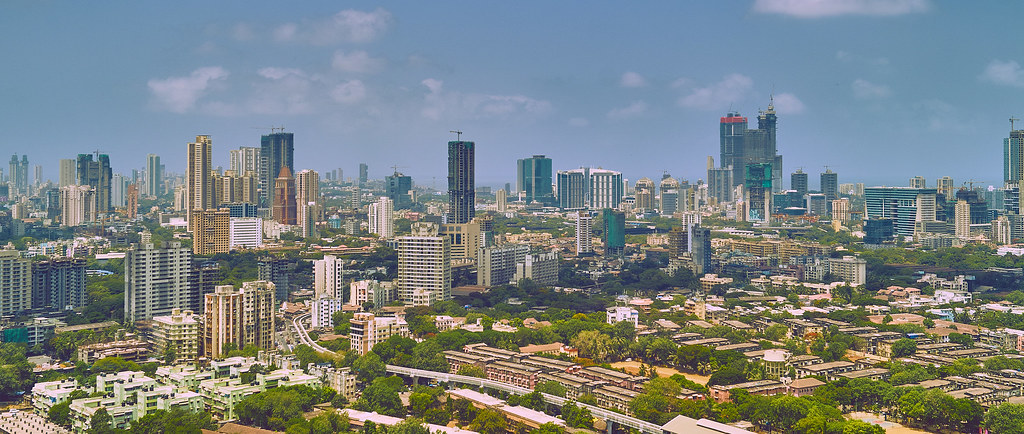
Best Time to Visit Mumbai
November to February is Mumbai's peak season: clear skies, low humidity, and temperatures averaging 24–27 °C make sightseeing, beach walks, and outdoor festivals comfortable. October and March are pleasant shoulders. June–September monsoon brings heavy rain but the lowest hotel rates. Mumbai rewards visitors year-round, but winter is the gold standard.
Key facts
| Hours | Hours not verified |
|---|---|
| Price | $$ |
| Phone | — |
| Website | — |
| Nearest transit | Chhatrapati Shivaji Maharaj International Airport (BOM), IATA code BOM; Mumbai Metro Aqua Line 3 stops directly at T1 and T2 (operational since October 2024), with fares ₹10–50 depending on distance. |
| Time needed | Minimum 3–4 days for highlights; 7+ days to explore neighbourhoods, day trips, and festivals properly. |
| Best time to go | November–February (peak/winter): coolest, driest, sunniest. October & March (shoulder): fewer crowds, manageable heat. June–September (monsoon): lowest prices, lush scenery, but frequent flooding and disruptions. |
| Last verified | July 12, 2026 |
Frequently asked questions
- What major festivals should I plan my Mumbai trip around?
- Ganesh Chaturthi (14–25 September 2026) is Mumbai's grandest festival — the city rearranges itself around 11 days of celebrations and processions. The Kala Ghoda Arts Festival runs annually from the first Saturday to the second Sunday of February (31 Jan–8 Feb 2026), drawing 800,000–1,000,000 visitors to South Mumbai's art district. Diwali 2026 falls on 8 November.
- What are the absolute best months to visit Mumbai for good weather?
- December and January offer the most comfortable conditions — clear skies, virtually no rain, and average daily temperatures around 24 °C (75 °F). November and February are nearly as good, with February recording Mumbai's lowest relative humidity at around 67%. These months form the heart of peak tourist season.
- Are hotel prices much higher during peak season?
- Yes. Peak season (November–February) sees hotel prices 30–50% higher than monsoon rates. Budget hotels in South Mumbai average $30–50/night in peak season, mid-range $80–150, and luxury $300–600. The absolute price peak is the Christmas–New Year period. Booking at least a month in advance is strongly recommended during peak season.
- What should I wear when visiting Mumbai in different seasons?
- In winter (November–February), light cotton clothes suffice; a light shawl or jacket is useful for cooler evenings. In summer (March–May), wear breathable fabrics, sunscreen, a hat, and sunglasses. During monsoon (June–September), pack an umbrella, waterproof footwear, a raincoat, and quick-dry clothing.
- When is Mumbai's shoulder season and is it a good time to visit?
- October and March are the main shoulder months. October is especially pleasant right after the monsoon ends — skies clear, greenery lingers, and crowds are thinner than in winter. March is still dry but temperatures begin climbing toward summer heat. Both months offer better hotel pricing than the December–February peak.
- Is Mumbai worth visiting during the monsoon (June–September)?
- Yes, with caveats. June–September brings heavy rainfall — July alone averages around 597–661 mm of rain and only about 2.4 hours of sunshine daily. However, hotel rates drop 30–50% below peak-season prices, and the surrounding hills turn lush green with waterfalls. Expect possible waterlogging, traffic disruptions, and ferry cancellations to Elephanta Caves.
- How do I get from Mumbai Airport to the city, and does season affect travel time?
- Mumbai Metro Aqua Line 3 connects directly to both T1 and T2 terminals (operational since October 2024), with fares of ₹10–50 and trains every 6–15 minutes. By road, the airport is roughly 25–28 km from South Mumbai, typically 45 minutes to over an hour depending on traffic. During monsoon season, flooding and traffic disruptions can significantly extend road travel times.
- How hot does Mumbai get in summer (March–May)?
- Summer temperatures range from roughly 25 °C to 38 °C (77–100 °F), with May being the hottest month at an average of 30 °C. High humidity makes it feel hotter. Rainfall is minimal until late May, when pre-monsoon showers begin. Summer is considered low tourist season with lower hotel rates.
Nearby in Ask Mumbai
- Taxis, Autos, and Apps in MumbaiGetting around0 km · 0 min walk
- Mahim Nature ParkPark3.03 km · 38 min walk
- Peshwa PavilionRestaurant3.22 km · 40 min walk
- Dharavi Leather MarketMarket3.87 km · 48 min walk
- Linking Road MarketMarket4.7 km · 59 min walk
Where to stay near Best Time to Visit Mumbai
Compare hotels & stays on Booking.com · doesn’t affect the Locals Score