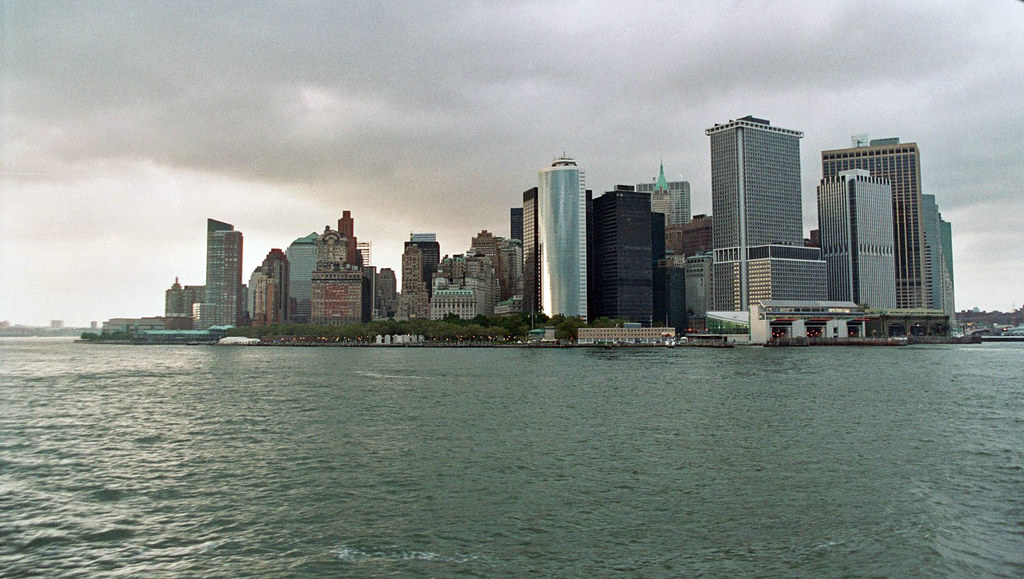
Getting Around New York City Without a Car
$
New York City is one of the world's most car-free-friendly cities. A 24/7 subway (472 stations, $3/ride), an extensive bus network, NYC Ferry, Citi Bike, and the Staten Island Ferry give residents and visitors full five-borough mobility — no car required, and often faster than driving.
Key facts
| Hours | Hours not verified |
|---|---|
| Price | $ |
| Phone | — |
| Website | — |
| Nearest transit | The subway itself is the transit — 472 stations citywide; buses, ferries, and Citi Bike fill the gaps |
| Time needed | Ongoing — use as needed; allow 30–60 min for cross-borough trips |
| Best time to go | Avoid weekday rush hours (7:30–9:30 AM and 4:30–7:00 PM); off-peak and weekend midday travel is fastest |
| Last verified | July 12, 2026 |
Frequently asked questions
- What is NYC congestion pricing and does it affect me if I'm not driving?
- Congestion pricing launched January 5, 2025, and charges most passenger vehicles $9 (peak) to enter Manhattan below 60th Street — a strong incentive to use transit instead. If you take an Uber or Lyft into the zone, you'll pay a $1.50 per-trip surcharge added to your fare; yellow and green taxi passengers pay $0.75 per trip. Subway, bus, and ferry riders are unaffected by the toll directly, and the program has already reduced vehicle traffic and improved travel times in the zone.
- How do I get from JFK Airport to Manhattan without a car?
- Take the AirTrain JFK (runs 24/7, every 5–15 minutes) to either Jamaica Station or Howard Beach Station, then connect to the subway. The AirTrain fare is $8.75 (paid separately via OMNY or MetroCard), plus the $3 subway fare — totaling $11.75 for most riders. The E or J/Z trains from Jamaica and the A train from Howard Beach both reach Midtown Manhattan. For the fastest trip, take the AirTrain to Jamaica and board a Long Island Rail Road train to Penn Station or Grand Central Madison (about 35 minutes total, LIRR fare additional).
- What is NYC Ferry and how much does it cost?
- NYC Ferry is a public commuter and scenic ferry network operated by Hornblower on behalf of the NYC Economic Development Corporation, with six year-round routes and 25+ landings across all five boroughs. The base fare is $4.50 per one-way ride; a 10-trip pass costs $29.00. Discounted $1.45 fares are available for verified seniors, people with disabilities, Fair Fares NYC participants, and NYC middle and high school students. Transfers within the NYC Ferry system are free within 120 minutes.
- How much does the NYC subway cost in 2026?
- The base fare is $3.00 per ride on subways and local buses, paid by tapping a contactless card, phone, or OMNY Card. After 12 rides in any 7-day period using the same payment method, all further rides that week are free — capping weekly spending at $35. Reduced fare riders (seniors 65+, qualifying disabilities) pay $1.50 per ride with a $17.50 weekly cap.
- Does the NYC subway run 24 hours a day?
- Yes — the New York City Subway operates 24 hours a day, 7 days a week, every day of the year, one of very few systems in the world that never closes. During peak hours (roughly 6:30–9:30 AM and 3:30–8:00 PM) trains run every 2–5 minutes; overnight frequencies drop to roughly every 20 minutes. Some routes are modified overnight or on weekends for maintenance, so check the MTA app before late-night travel.
- How do I pay my subway or bus fare now that MetroCard is gone?
- As of January 2026, the MTA has fully transitioned to OMNY tap-to-pay. Simply tap a contactless credit or debit card, smartphone, or wearable device at the turnstile or bus reader — no app or sign-up required. You can also buy a physical OMNY Card at any subway station vending machine or at hundreds of retail locations. The last day to buy or refill a MetroCard was December 31, 2025, though valid cards can still be used until they expire.
- Is Citi Bike worth it for getting around NYC?
- For frequent riders, the Citi Bike annual membership ($239/year as of January 28, 2026) includes unlimited 45-minute classic bike rides with no unlock fee, making it cost-effective for short trips. E-bike upgrades cost an extra $0.27/minute for members, capped at $5.40 for rides of 45 minutes or less entering or exiting Manhattan. Low-income New Yorkers (NYCHA residents, SNAP recipients) can access a reduced-fare membership for $5/month. Citi Bike has over 1,800 stations across Manhattan, Brooklyn, Queens, and the Bronx.
- How do I get to LaGuardia Airport without a car?
- LaGuardia has no direct rail connection to Manhattan. The best public transit option is the M60-SBS bus, which connects to multiple subway lines (A/C at 125th St, 2/3/4/5/6 at 125th St, N/W at Astoria Blvd, and others). Journey times can be slow in traffic, so allow extra time. Taxis and rideshares (with the $1.50 congestion surcharge if heading to/from Manhattan below 60th St) are the most popular option for speed and convenience.
Nearby in Ask New York City
- Best Months to Visit New York CityAttraction0 km · 0 min walk
- Tipping and Etiquette in New York CityAttraction0 km · 0 min walk
- 9/11 Memorial & MuseumMuseum0.64 km · 8 min walk
- OverstoryBar0.72 km · 9 min walk
- Brandy LibraryBar0.8 km · 10 min walk
Where to stay near Getting Around New York City Without a Car
Compare hotels & stays on Booking.com · doesn’t affect the Locals Score