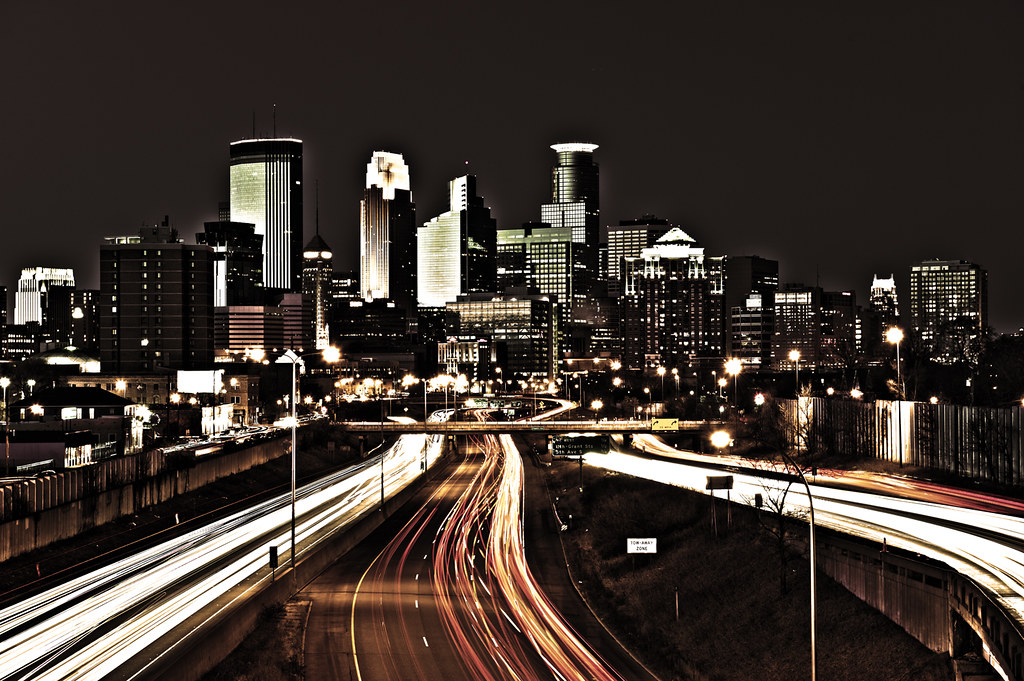
Navigating the Minneapolis Skyway System
free
Known forskywayminneapolis skywaydowntown minneapolisheated walkway
The world's largest skyway network: 9-plus miles of heated second-story bridges linking around 80 blocks of downtown — offices, food courts, hotels, and arenas — so you never touch a sidewalk in January. It's genuinely useful and quietly fascinating, but it's a commuter system, not an attraction: confusing to navigate, and much of it goes quiet after work hours and on weekends.
Key facts
| Hours | Hours not verified |
|---|---|
| Price | free |
| Phone | — |
| Website | — |
| Nearest transit | Nicollet Mall station (Blue/Green lines) drops you a block from skyway-connected buildings; most downtown stops work |
| Time needed | 30-60 minutes to wander; it's a means of travel more than a destination |
| Best time to go | Weekdays 11 a.m.-1 p.m. for people-watching and open food counters; many segments close evenings and run reduced weekend hours |
| Last verified | July 12, 2026 |
Locals Score
- Iconic2.5
Frequently asked questions
- What are the Minneapolis skyway hours?
- There's no single answer — each building sets its own hours. The city's guideline is roughly 6:30 a.m.-10 p.m. weekdays, 9:30 a.m.-8 p.m. Saturday, and noon-6 p.m. Sunday, but plenty of buildings lock earlier, especially on weekends. Check skywayaccess.com for specific buildings before relying on a route.
- Are the skyways open on weekends?
- Partially. Core routes and hotel-connected segments generally open, but hours shrink and many office-building links stay locked, so a route that worked Tuesday may dead-end Saturday. Event days at the arenas are the exception, with extended hours along stadium routes.
- Why does downtown Minneapolis feel empty at street level?
- Partly because everyone's one floor up — the skyways pull pedestrian life off the sidewalks, which urbanists have argued about for decades. If downtown seems dead on a cold weekday, look up: the second floor is where the city actually is.
- How big is the Minneapolis skyway system?
- It's the largest contiguous skyway network in the world — more than nine miles of bridges and corridors connecting well over a hundred buildings across roughly 80 blocks of downtown. It's been growing since the first bridge opened in 1962.
- How do I navigate the skyways without getting lost?
- Accept that you will get slightly lost once — everyone does, locals included, because the system runs through building interiors that all look alike. Follow the posted overhead signs, use Google Maps' indoor directions or the skyway map at skywayaccess.com, and orient by landmark towers like the IDS Center.
- Is there food in the skyways?
- Loads of it on weekdays — second-floor food courts, coffee shops, and lunch counters serve the office crowd, with the IDS Center's Crystal Court as the scenic hub. The catch: most of it closes by mid-afternoon and stays shut weekends, so don't plan a Saturday skyway food crawl.
- Can I get from my hotel to U.S. Bank Stadium or Target Center by skyway?
- Often, yes — both arenas connect to the network, and skyway hours are typically extended on event nights so crowds can walk in heated comfort. Many downtown hotels (Hilton, Marriott City Center, Radisson Blu among them) link directly in. Confirm your specific hotel's connection when booking.
- Is the skyway free to use?
- Completely free — it's a public-ish network of privately owned bridges and corridors, and anyone can walk it during building hours. No tickets, no gates. Your only cost is whatever coffee you inevitably buy along the way.
Where to stay near Navigating the Minneapolis Skyway System
Compare hotels & stays on Booking.com · doesn’t affect the Locals Score