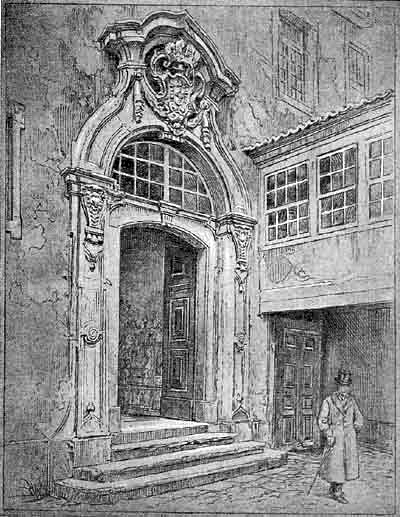
Mouraria
8.1Locals Score / 10$
Known formourariafadomulticulturalstreet art
The gritty, multicultural quarter on the castle's north flank — birthplace of fado, home to 50-plus nationalities, and one of the last genuinely un-gentrified corners of central Lisbon. A friend sends you here for the real, unpolished city and great cheap food. Caveat: it's rough around the edges and light on 'sights' — come for atmosphere, not monuments.
Key facts
| Hours | Hours not verified |
|---|---|
| Price | $ |
| Phone | — |
| Website | — |
| Nearest transit | Metro Martim Moniz (Green line); Tram 28 |
| Time needed | 2-3 hours |
| Best time to go | Lunchtime for food; daytime for exploring |
| Last verified | July 12, 2026 |
Locals Score
8.1/10- Value8.0
- Iconic6.5
- Freshness5.9
- Crowd level6.5
- Authenticity9.0
- Accessibility7.0
Frequently asked questions
- How do I get to Mouraria?
- Metro Martim Moniz on the Green line drops you at its lower edge, and tram 28 skirts the top by the castle. From there it's all on foot up the tangled lanes toward Graça and the castle. It's an easy add-on to Alfama, which sits right next door.
- What's the difference between Mouraria and Alfama?
- They're neighbors on opposite flanks of the castle hill: Alfama is the prettier, more touristed fado-and-viewpoint quarter, while Mouraria is grittier, more multicultural and far less visited. Mouraria feels rawer and cheaper; Alfama feels like the postcard. Do both — they're a five-minute walk apart.
- Is Mouraria safe for tourists?
- Yes — it's generally safe day and night and has improved hugely over the last decade, now a mix of local families, immigrants and visitors. It looks grittier than Alfama, but that's character, not danger; use normal city sense and watch your pockets in the crowded Martim Moniz edge. Solo travelers report feeling comfortable.
- How much time should I spend in Mouraria?
- Two to three hours to wander the lanes, see the fado landmarks and murals, and eat lunch — then continue up to the castle or over to Alfama. It's small and best combined with its neighbors. Give it more if you're chasing a specific meal or a fado night.
- Why is Mouraria the birthplace of fado?
- Because the legendary first fado star, Maria Severa, lived and sang here in the 1800s, taking the music from these lanes to the aristocracy. Streets like Rua do Capelão and Largo da Severa carry that history, and fado murals and small venues keep it alive. It's a quieter, less commercial fado scene than Alfama's.
- What should I eat in Mouraria?
- This is Lisbon's most multicultural quarter, so eat wide — authentic Chinese, Indian, Bangladeshi, Nepalese and Mozambican spots sit beside old Portuguese tascas, mostly cheap and genuine. The 'clandestine' Chinese eateries in apartment buildings around Martim Moniz are a local legend. Come hungry and adventurous.
- Is Martim Moniz square worth seeing?
- It's the busy, multicultural plaza at Mouraria's foot — a transport hub, sometimes with food kiosks and events, ringed by immigrant-run shops and eateries. It's more functional and lively than pretty, and a good jumping-off point into the lanes. The surrounding streets are where the real character is.
- Is Mouraria worth visiting?
- If you want the real, lived-in Lisbon rather than the postcard, absolutely — it's the antidote to the tourist crush a block away. It's short on big monuments, so come for street life, fado history, murals and food, not a sightseeing checklist. It pairs perfectly with Alfama and the castle above.
Nearby in Ask Lisbon
- Riding Tram 28 Like a LocalGetting around0.08 km · 1 min walk
- Zé da MourariaRestaurant0.09 km · 1 min walk
- Tasca do CorvoRestaurant0.23 km · 3 min walk
- São Jorge Castle (Castelo de São Jorge)Attraction0.29 km · 4 min walk
- Miradouro da GraçaAttraction0.34 km · 4 min walk
Where to stay near Mouraria
Compare hotels & stays on Booking.com · doesn’t affect the Locals Score