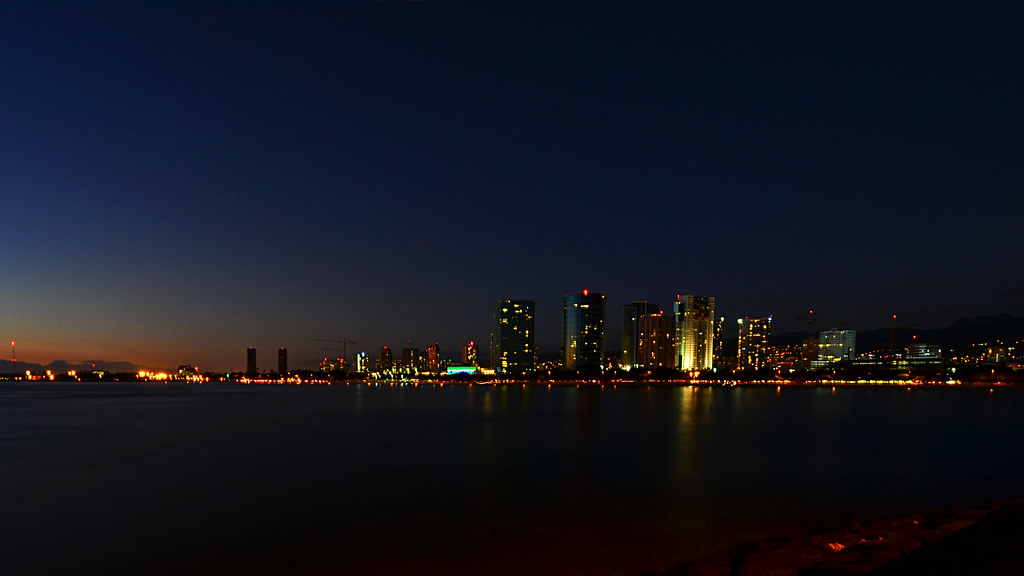
Ocean Safety Basics: Reading the Surf Before You Swim
Known forocean safetybeach flagsrip currentsshorebreak
The ocean is Hawaii's best attraction and its biggest hazard — visitors drown here every year, usually in conditions locals would never enter. Learn the beach flags, swim only at lifeguarded beaches, and check oceansafety.hawaii.gov before you go. The rule that saves lives: if in doubt, don't go out. Winter North Shore surf is watch-from-the-sand only.
Key facts
| Hours | Hours not verified |
|---|---|
| Price | — |
| Phone | — |
| Website | — |
| Nearest transit | — |
| Time needed | 10 minutes to check conditions before any swim |
| Best time to go | Mornings are typically calmest; winter = dangerous north shores, summer = bigger south shore surf |
| Last verified | July 12, 2026 |
Locals Score
- Iconic2.5
Frequently asked questions
- Is it safe to swim on the North Shore in winter?
- Mostly no. From roughly November through February, swells hit 20-40 feet and even the shorebreak at spots like Ke'iki has killed strong swimmers. Watch the surf from dry sand, stay well back from the waterline, and never turn your back on the ocean. Summer is a different, gentler animal.
- When are box jellyfish a problem in Waikiki?
- They arrive on south-facing beaches like a clockwork plague 8-10 days after each full moon and hang around a few days — lifeguards post purple flags and Hanauma Bay sometimes closes. Check the Waikiki Aquarium's box jellyfish calendar before your trip and just swim elsewhere those days.
- Which Honolulu beaches are safest for weak swimmers and kids?
- Inside the reef-protected sections of Waikiki (Kuhio Beach's walled ponds especially), Ala Moana Beach Park, and Ko Olina's lagoons are about as gentle as O'ahu gets. All have lifeguards or calm, contained water. Even there, keep small kids within arm's reach.
- What should I know before snorkeling at Hanauma Bay or anywhere else?
- Never snorkel alone, stay close enough to stand or exit easily, and know that full-face masks and being an out-of-shape tourist in current are a genuinely dangerous combo — snorkeling is the top activity in Hawaii visitor drownings. Flat, calm mornings are your window.
- Where can I check ocean conditions before I swim?
- The state's official site, oceansafety.hawaii.gov, shows real-time hazard ratings for beaches across O'ahu, and the National Weather Service issues high-surf advisories. Thirty seconds of checking beats a rescue. When lifeguards are present, just ask them — they'll tell you straight.
- How do I spot a rip current?
- Look for a channel of darker, weirdly smooth water cutting through the whitewater, often with foam or sand streaming out to sea. If you're caught in one, don't fight it — float, wave for help, and swim parallel to the beach until you're out of the channel, then angle back in.
- What do I do if I get stung by a jellyfish or man-o-war?
- Rinse the sting with vinegar or seawater (not fresh water), pluck off any visible tentacles with something other than bare fingers, then hot water or a hot pack for the pain. Tell a lifeguard. Get emergency help for breathing trouble, chest pain, or stings covering large areas.
- What do the beach warning flags in Hawaii mean?
- Yellow means caution — moderate hazard. Red means high hazard, strong currents or surf. Double red means the water is closed, full stop. Purple means dangerous marine life like box jellyfish or man-o'-war. No flag doesn't mean safe — it often just means no lifeguard is posted there.
Nearby in Ask Honolulu
- Kapiolani Regional ParkPark0.27 km · 3 min walk
- Barefoot Beach Cafe @ Queen's Surf BeachRestaurant0.67 km · 8 min walk
- Hula’s Bar & Lei StandBar0.83 km · 10 min walk
- Tikis Grill & BarRestaurant0.94 km · 12 min walk
- Diamond Head State Monument (Le'ahi)Attraction1.21 km · 15 min walk
Where to stay near Ocean Safety Basics: Reading the Surf Before You Swim
Compare hotels & stays on Booking.com · doesn’t affect the Locals Score