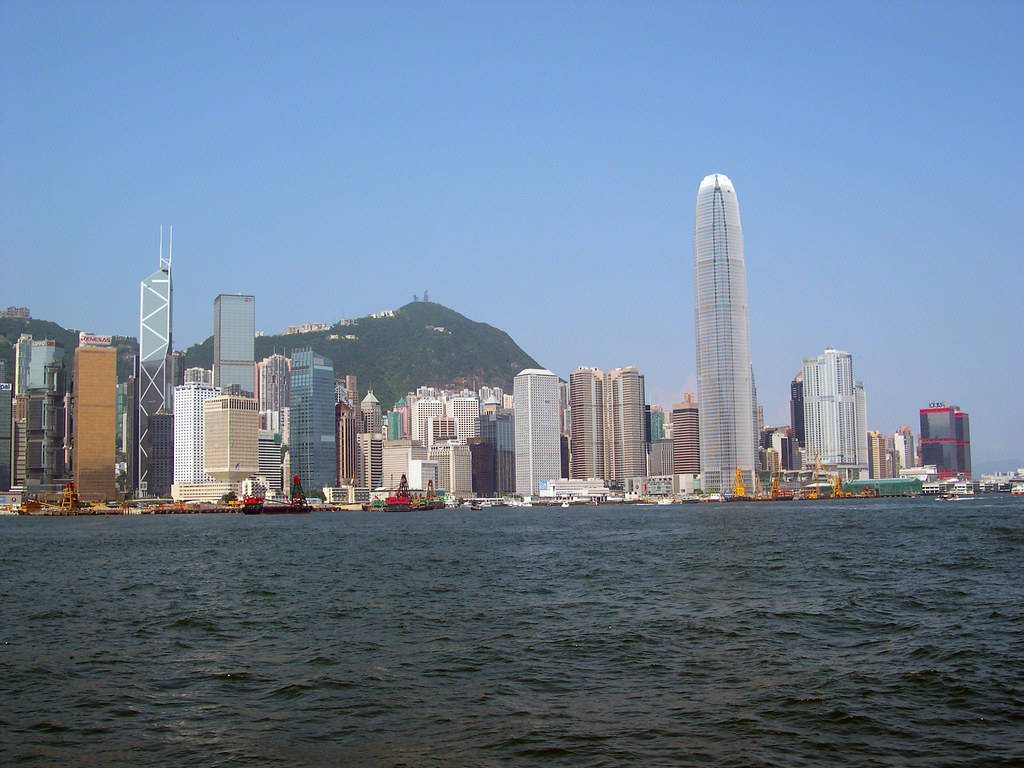
Hong Kong Etiquette, Tipping, and Dim Sum Manners
free
Hong Kong blends Cantonese tradition with cosmopolitan norms. Tipping is modest and situational — most restaurants auto-add a 10% service charge. Dim sum (yum cha) follows its own ritual: rinse utensils in tea, pour for others before yourself, and tap two fingers to say thank you. Knowing these customs earns genuine warmth from locals.
Key facts
| Hours | Hours not verified |
|---|---|
| Price | free |
| Phone | — |
| Website | — |
| Nearest transit | Any MTR station; etiquette applies city-wide |
| Time needed | 15 min to read; a lifetime to master |
| Best time to go | Morning dim sum (yum cha) sessions, typically 7 am–noon, are the best live classroom |
| Last verified | July 12, 2026 |
Frequently asked questions
- Do I need to tip at restaurants in Hong Kong?
- Most sit-down restaurants in Hong Kong automatically add a 10% service charge to the bill, so no additional tip is expected. If no service charge appears, leaving around 10% is appreciated. At casual spots like cha chaan tengs, dai pai dongs, or local noodle shops, tipping is not part of the culture.
- How much should I tip hotel staff in Hong Kong?
- At luxury hotels, HK$10–20 per bag for bellboys and porters is standard. Housekeeping tips of HK$10–20 per night are optional but welcome. Tip the concierge HK$20–40 if they provide genuinely helpful advice or arrange something special.
- Should I tip taxi drivers in Hong Kong?
- Tipping taxi drivers is not required or customary in Hong Kong. The standard practice is simply to round up the fare to the nearest HK$5–10 and tell the driver to keep the change, which speeds up the transaction and is appreciated as a courtesy.
- What are the key escalator and MTR etiquette rules in Hong Kong?
- Stand on the right side of escalators and keep the left clear for people walking past — this is a firm local norm. On the MTR, keep your voice low, avoid eating or drinking on trains, and always let passengers exit before you board.
- How do I signal I want more tea at a dim sum restaurant?
- Simply leave the lid of your teapot ajar or tilted to one side. Servers are trained to spot this signal and will come over to refill your pot — no need to call anyone over or ask verbally.
- Are there gift-giving customs I should know before visiting a Hong Kong home?
- Avoid gifting sets of four (the number is unlucky), clocks or watches (associated with death), or green hats (associated with infidelity). Good choices include quality sweets, tea, or fruit. Present gifts with both hands, and wrap them in red or gold — not black or white, which are associated with mourning.
- What chopstick rules should I know for dim sum?
- Never leave chopsticks standing upright in a bowl — this symbolises death and mourning. Lay them horizontally on the edge of your plate instead. Always use the serving end of your chopsticks (or a communal spoon) to transfer food from a shared dish to your own plate before eating.
- What is the tea-tapping gesture at dim sum and what does it mean?
- When someone pours tea for you at a dim sum table, tap two fingers (index and middle) lightly on the table as a silent 'thank you.' The gesture traces back to a legend of a Chinese emperor who poured tea for his servants in disguise — tapping fingers represented a discreet bow so as not to reveal his identity.
Nearby in Ask Hong Kong
- Mong KokNeighborhood0 km · 0 min walk
- Kam Wah CaféCafé0.56 km · 7 min walk
- Mong Kok Flower MarketAttraction0.71 km · 9 min walk
- Le Rêveur Café & BistroCafé0.72 km · 9 min walk
- Hand Shaken Cocktail barBar1.35 km · 17 min walk
Where to stay near Hong Kong Etiquette, Tipping, and Dim Sum Manners
Compare hotels & stays on Booking.com · doesn’t affect the Locals Score